
Understanding Hammer Candlestick Patterns
🔨 Explore hammer candlestick patterns in trading to spot market reversals. Learn formation, variations & tips for smarter technical analysis strategies.
Edited By
James Thornton
Candlestick patterns provide traders with a visual tool to read price action and make informed decisions in financial markets. Each candlestick represents price movement for a specific period and reveals market sentiment through its body and wicks. Understanding these patterns helps traders spot potential trends, reversals, and continuation signals without relying solely on complicated indicators.
In South Africa’s fast-paced trading scene, from JSE shares to forex and commodities, grasping candlestick patterns is invaluable. They offer a straightforward way to decode market psychology at a glance. For instance, a bullish engulfing pattern—where a smaller red (bearish) candle is followed by a larger green (bullish) candle—can signal a shift from selling pressure to buying interest. This sort of insight can mean the difference between a smart entry or missing out.
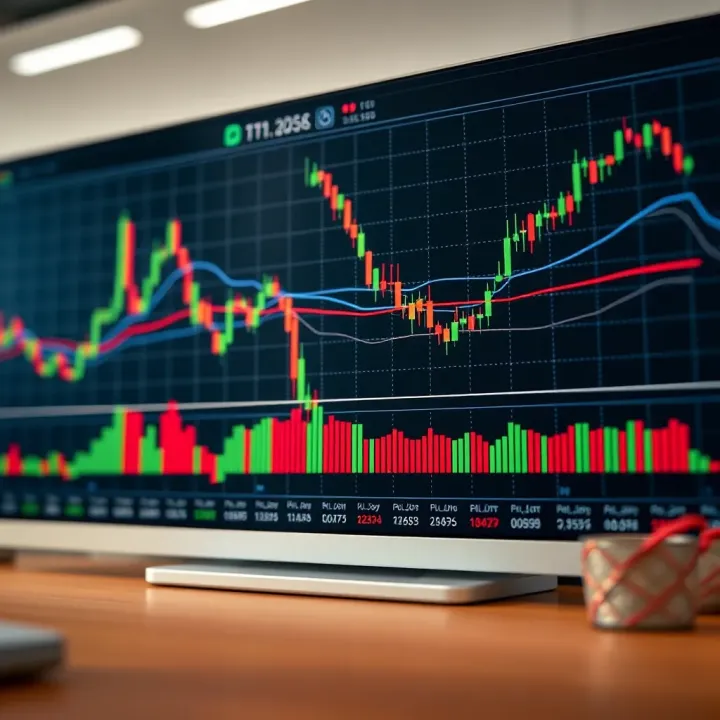
Mastering candlestick patterns lets you watch the market's heartbeat and react confidently, rather than guessing blindly.
Practical learning goes beyond theory. That’s why reliable PDF resources packed with chart examples and pattern explanations can really boost your skills. These downloadable PDFs offer a handy reference you can use anytime—even offline—perfect for on-the-go traders working through Eskom loadshedding or poor data connections.
When choosing PDF materials, look for resources that cover:
Common patterns like doji, hammer, shooting star, and morning star with clear illustrations
How volume and context confirm the signals
Typical mistakes when reading patterns
Tips tailored to South African markets and trading hours
Being able to access and study these patterns from trustworthy, straightforward PDFs means you can sharpen your trading approach with confidence. Plus, print-outs or offline versions are a blessing during data-intensive times or while commuting via minibus taxis.
This article will walk you through essential candlestick concepts and recommend practical PDF guides to keep handy. Whether you’re new to trading or sharpening your toolkit, understanding candlestick patterns improves clarity and adds depth to your market analysis.
Candlestick patterns offer a straightforward way to read price action in the markets, providing visual insights into traders’ behaviour and sentiment. This section lays the groundwork for understanding how these patterns form and why they matter. Grasping these basics helps traders of all experience levels make better sense of price movements and avoid common pitfalls.
Candlestick charts originated in Japan during the 1700s when a rice trader named Munehisa Homma developed them to analyse market psychology and price fluctuations. This approach was distinct from European bar charts and brought an intuitive visual style that highlighted more than just price points. Today, candlesticks remain popular worldwide for their ability to summarise daily shifts in supply and demand at a glance.
Each candlestick consists of a body and wicks (or shadows). The body shows the opening and closing prices within a specific period, while the wicks indicate the highest and lowest prices traded. For example, a long green body tells you buyers dominated, pushing prices higher, whereas a long red body reveals selling pressure throughout that timeframe. These simple components form the building blocks for identifying patterns.
Traders rely on candlestick patterns because they convey market sentiment quickly and visually. Patterns like hammers, dojis, or engulfing formations signal potential turning points or continuations, helping traders decide when to enter or exit a trade. For instance, spotting a hammer at a support level might suggest a buying opportunity. Especially in fast-moving markets, these patterns complement other analysis techniques, making trading decisions clearer and more confident.
Candlestick patterns provide visual clues to the tug-of-war between buyers and sellers. Bullish trends often show candles with strong bodies closing near the highs, signalling buyers’ strength. Conversely, bearish trends reveal candles closing near lows with longer red bodies. Recognising these trends promptly can help traders align their strategies with the prevailing market mood.
Volume plays a vital role in confirming candlestick patterns. For example, a bullish engulfing pattern backed by high volume carries more weight than one with low volume, indicating more traders support the move. Without volume confirmation, patterns may signal false alarms, so watching volume alongside candlestick formations strengthens trade setups.
Candlestick patterns shouldn’t be your only tool. The market reacts to news, economic data, and unforeseen events that charts cannot predict. Sometimes, a convincing pattern fails because of external factors. Also, patterns can be subjective and need context for better accuracy. Combining them with other technical indicators and fundamental understanding reduces the risk of misplaced trades.
Remember, candlestick patterns are like weather signs—they hint at what might happen, but don’t guarantee the forecast. Use them wisely together with other analysis tools for better trading outcomes.
Candlestick patterns provide traders with a visual shorthand to interpret market movements and sentiment. Recognising these patterns helps you anticipate potential price shifts, making your trading decisions more informed rather than just guesswork. Understanding the meaning behind each pattern, whether it signals a continuation or reversal, sharpens your ability to time entries and exits effectively.

A Doji appears when the opening and closing prices of a stock or asset are practically equal, creating a candle that looks like a cross or plus sign. This pattern signals market indecision; buyers and sellers are in balance, and neither side has a clear advantage. For example, after a strong upward move, spotting a Doji might hint that momentum is slowing, warning traders to be cautious of a potential reversal.
The Doji is valuable because it alerts you to pause before making aggressive moves. However, it should not be used in isolation—confirmation from subsequent candles or other indicators is crucial to avoid false signals.
Both the Hammer and Hanging Man look alike – small bodies with long lower shadows – but their significance depends on the preceding trend. A Hammer forms after a downtrend and suggests a possible bullish reversal, indicating that buyers managed to push the price up after a sell-off during the day. In practical terms, if you're trading JSE-listed shares and see a Hammer after several falling sessions, it might be a good moment to consider opening a long position.
Conversely, a Hanging Man appears after an uptrend and warns of a potential bearish reversal. Even though prices closed near their opens, the long shadow suggests selling pressure. Traders often use this as a signal to tighten stop-loss levels or prepare for downside risk.
The Shooting Star is a single candle with a small lower body and a long upper shadow, typically found at the top of an uptrend. This pattern indicates that buyers tried pushing prices higher but failed, as sellers stepped in strongly to close near the low. For instance, during times of heightened volatility in commodity markets like platinum or gold, spotting a Shooting Star might signal short-term price weakness ahead.
Acting on a Shooting Star usually means considering selling or avoiding new long positions until further confirmation.
Engulfing patterns involve two candles where the second completely 'engulfs' the first. A Bullish Engulfing occurs after a downtrend, where a large green candle fully covers the prior smaller red candle, signalling strong buying interest taking over. This can convince traders to enter a buy trade anticipating a trend change.
On the flip side, a Bearish Engulfing pattern forms after an uptrend and suggests a shift to selling pressure as a large red candle swallows the preceding green one. Active traders often use this as a trigger to exit or short positions.
The Morning Star is a three-candle bullish reversal pattern: a long red candle followed by a small-bodied candle (which indicates indecision), and then a long green candle confirming buyers’ control. This pattern hints that a downtrend is losing steam, making it a good point for traders to look for potential entry points.
In contrast, the Evening Star signals a bearish reversal. It starts with a long green candle, then a small indecisive candle, and a long red candle that confirms selling pressure. Both these patterns work well when combined with volume spikes for stronger reliability.
Harami, meaning ‘pregnant’ in Japanese, describes a pattern where a small candle fits completely within the range of the preceding larger candle. A Bullish Harami in a downtrend suggests a possible trend pause or reversal, hinting buyers might be gaining strength.
Conversely, a Bearish Harami during an uptrend warns of a possible price drop. Though subtle, Haramis often act as early warning signs. Traders usually wait for confirmation in the following sessions before acting.
Recognising these common candlestick patterns equips you with practical tools to read market sentiment and adjust your trading plan. Combining them with other analysis methods improves accuracy and reduces risks.
Studying candlestick patterns with PDF resources offers traders a solid grounding in technical analysis without relying solely on online content or costly courses. PDFs distil patterns and trading strategies into clear, portable documents that can be used repeatedly, making them practical study aids. Whether you’re a broker refining your skills or a financial advisor brushing up on chart reading, accessing well-curated PDFs helps deepen your understanding while saving time.
PDFs maintain consistent formatting across devices, unlike web pages or Word documents that can shift layout depending on the software or screen size. This consistency means charts, candlestick illustrations, and explanatory notes appear just as intended — critical when recognising subtle pattern shapes. Plus, PDFs often combine text with high-quality graphics that simplify complex ideas.
In South Africa, where internet access may be spotty during travel or at remote locations, having candlestick pattern PDFs stored offline is a real advantage. You can study patterns anytime without worrying about network data or connection drops. For instance, a trader commuting via Gautrain or spending time on a farm can keep their learning on hand.
Most PDF readers allow highlighting, note-taking, and bookmarking. This means you can quickly mark important sections, jot down personal insights, or flag patterns you're still mastering. Imagine reviewing a PDF late at night on your tablet, highlighting the Morning Star pattern, and making notes directly in the document for your next trading session.
Look for PDFs from established financial education sites or respected trading academies. These sources guarantee up-to-date, fact-checked content rather than opinionated or outdated guides. Platforms like Investopedia or the official SA Institute of Financial Markets might offer solid downloads.
Locally, resources from universities or professional bodies can provide useful context tailored to regional markets. Internationally, websites from well-known analysts or brokerages often share free PDFs. Combining both ensures you understand global best practices alongside South Africa-specific trading considerations such as Eskom load-shedding impacts on market behaviour.
Before downloading, check the publication date and author credentials. Candlestick patterns remain largely stable, but technical analysis techniques evolve. Recent PDFs are more likely to reflect current market conditions and integrate new tools like volume overlays or digital charting trends.
Don’t just read the PDFs passively. Open your trading platform or free charting software and apply what you learn. Spot a Bullish Engulfing pattern in the PDF? Go back to your live charts on a platform like EasyEquities or IG and look for it. This hands-on approach solidifies understanding.
Save your PDFs in clearly named folders, perhaps by pattern type or complexity, so you can revisit them fast when preparing for trading sessions. Use subfolders or tags within your document reader app for efficient access especially when markets move quickly.
Trading thrives on community. Share valuable PDF resources in WhatsApp groups or trading forums. Discussing specific patterns or market reactions based on your notes sharpens your perspective and exposes you to varied interpretations that can improve decision-making.
Leveraging PDF resources alongside active trading practice and community engagement bridges the gap between theory and market reality, empowering smarter, more confident trades.
By approaching candlestick pattern PDFs as dynamic tools rather than static manuals, South African traders and analysts can gain a reliable edge, no matter if they’re on the Johannesburg Stock Exchange or speculative FX desks.
Trading purely on candlestick patterns without practical strategies can be like trying to braai without firewood — the base is there, but you won’t get very far without solid preparation. This section highlights how traders can boost their effectiveness by combining candlestick analysis with other technical tools, managing risk sensibly, and avoiding common pitfalls. It’s about realistic, actionable steps to help you read the charts better and trade more confidently.
Using moving averages and volume analysis: Moving averages smooth out price data and help you spot trends or reversals more clearly. For example, a bullish engulfing pattern that forms just above a 50-day moving average carries more weight because the moving average signals underlying strength. Similarly, volume confirms the pattern’s reliability — if a hammer candle is accompanied by higher-than-average volume, it suggests serious buying interest, not just a one-off spike. Combining these tools helps avoid getting whipsawed by false signals, especially in volatile markets like the JSE.
Confirming with support and resistance levels: Candlestick patterns often gain meaning when they appear around key support or resistance zones. Suppose a morning star forms near a strong support level identified through previous lows. This alignment strengthens the chances of a genuine trend reversal. Conversely, spotting a shooting star near resistance could warn you of a potential price drop. Using these horizontal price levels alongside candlestick patterns helps clarify entry and exit points, reducing guesswork.
Risk management and setting stop-loss orders: Even the best candlestick setups can fail, which is why protecting your capital is essential. Setting stop-loss orders just below a bullish pattern or above a bearish one limits losses if the market moves against you. For instance, after a bullish engulfing pattern, placing a stop-loss a few cents below the pattern’s low can safeguard your trade without cutting profits short. Proper risk management ensures you're in the game for the long haul, not wiped out by a single bad trade.
Over-reliance on patterns without context: Many beginners treat candlestick patterns like crystal balls, expecting them to predict price moves independently. The truth is, candlestick signals should never be used in isolation. Market dynamics, volume, trend direction, and broader economic factors all shape whether a pattern succeeds. Ignoring these elements can cause traders to jump in or out prematurely, burning capital needlessly.
Ignoring market news and fundamentals: While candlestick charts show price action, they don’t reflect why prices move, which is often down to news, earnings reports, or geopolitical events. For example, a hammer pattern might suggest a bounce, but if a local company’s shares drop due to a sudden regulatory fine, the pattern might fail. Good traders keep an ear to the ground and avoid relying solely on technical signals when fundamental shifts occur.
Trading based on incomplete pattern recognition: Another trap is mistaking similar-looking candles for genuine patterns or skipping important confirmation signals. A doji candle alone doesn’t guarantee a trend change; the surrounding candles and volume must confirm its meaning. Likewise, recognising multi-candle patterns like the morning star requires spotting the sequence correctly. Incorrect interpretation or incomplete patterns can lead to costly mistakes, so take the time to study and cross-check formations thoroughly.
Successful trading with candlestick patterns means blending them with other tools and sound judgement. Patterns open the door, but smart strategy walks you through it.
This approach helps keep trades practical and measured, especially for South African investors navigating the sometimes turbulent markets influenced by local and global factors.
🔨 Explore hammer candlestick patterns in trading to spot market reversals. Learn formation, variations & tips for smarter technical analysis strategies.

📈 Explore the essentials of forex trading in South Africa: understand currency pairs, effective strategies, market risks, and steps to start trading confidently.
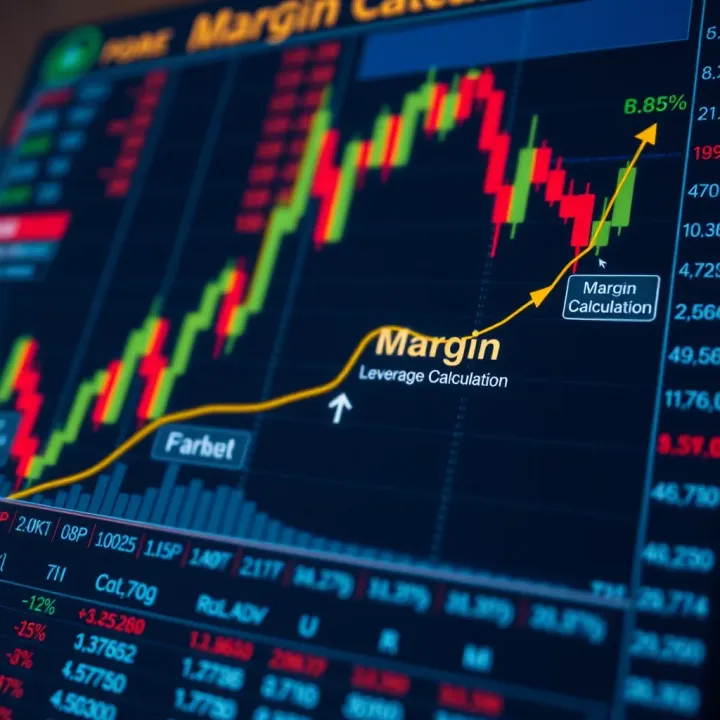
📉 Learn how forex margin works, why it matters, and how to avoid margin calls. Tips for South African traders on managing risks and trading smarter.

📉 Explore free forex trading signals, their pros & cons, how to spot reliable providers, and smart ways to include them in your trading strategy 📊
Based on 5 reviews