

Forex Trading in South Africa: Beginner's Guide
📉 New to Forex in South Africa? Learn how to start trading safely with trusted brokers, understand risks, and navigate local laws confidently.
Edited By
Liam Edwards
Forex trading, or foreign exchange trading, involves buying and selling currencies to make a profit. For South Africans looking to dip their toes in forex, it's essential to understand both the global basics and the local nuances that affect trading with Rand (ZAR).
Why trade forex? Forex markets offer high liquidity and operate 24/5, which means you can trade whenever it's convenient, even after your workday. The appeal lies in its potential for profit by speculating on currency price movements, but note this comes with significant risk.
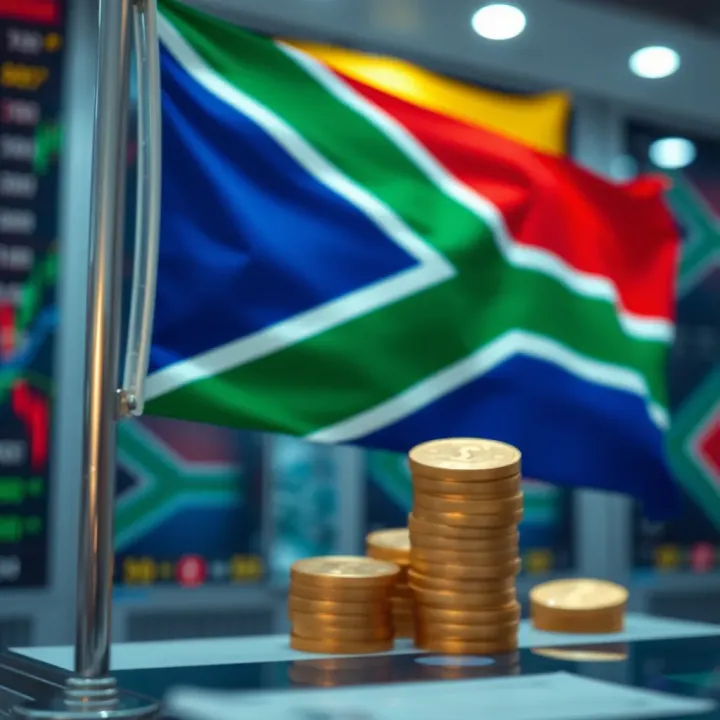
Local context matters: Trading forex in South Africa isn't just about picking pairs like USD/ZAR or EUR/USD. You'll need to consider factors like:
Rand volatility: Influenced by local politics, SARB policies, and commodity prices, these swings impact your gains and losses.
Regulation: The Financial Sector Conduct Authority (FSCA) oversees brokers here to ensure fair trading practices.
Tax obligations: Profits from forex trades count as taxable income and must be reported to SARS.
Choose an FSCA-regulated broker with transparent fees and solid reputation. Offshore brokers might seem tempting for lower spreads but come with added risks.
Understand leverage carefully. While leverage amplifies gains, it equally magnifies losses. South Africa’s markets typically allow different leverage levels than offshore platforms.
Test your strategy on a demo account first. This risk-free environment helps you grasp how the markets move without losing Rands.
Trading forex isn’t a quick route to easy money. It requires discipline, practice, and a clear understanding of both global trends and South African economic factors.
Right from the start, focus on these:
Learn basic forex terms and market mechanics
Know the impact of major economic data releases
Familiarise yourself with common currency pairs including ZAR crosses
Your initial steps lay the foundation for successful trading that suits South Africa’s unique landscape. In the sections that follow, you'll get practical advice on setting up your trading account, risk management, and developing straightforward strategies to trade confidently.
Grasping forex trading basics is key to navigating this fast-moving market. It prepares you to make informed decisions rather than chasing trends blindly. For South African traders, understanding these fundamentals helps manage risks tied to our local currency and global economic shifts.
The foreign exchange market—commonly called forex—is where currencies are traded. Unlike the JSE that focuses on stocks, forex operates 24/5 across the globe, allowing you to buy or sell currencies at any time markets in London, New York, or Tokyo are open. This market is the largest in the world, with daily volumes exceeding $6 trillion.
In South Africa, traders often use forex to speculate on currency pairs or hedge international investments. The ability to trade remotely via a mobile or desktop platform makes it accessible.
For local traders, currency pairs involving the South African Rand (ZAR) are particularly important because the Rand is sensitive to domestic issues like loadshedding, commodity prices, and political developments. Common pairs include USD/ZAR, EUR/ZAR, and GBP/ZAR.
For example, if you expect the Rand to weaken due to a drop in gold prices, you might sell ZAR against USD. These pairs can have wider spreads and more volatility than major global pairs, so understanding their behaviour is vital.
Currency prices reflect supply and demand influenced by factors like interest rates, economic data, and geopolitical tension. News about South Africa's mining output or SARB’s interest rate decisions can cause sharp moves in ZAR pairs.
Prices move in small increments called pips, which represent the smallest price change a currency pair can make. Being aware of these movements helps gauge potential profits or losses on trades.
A pip (percentage in point) is typically the fourth decimal place in most currency pairs and indicates the minimum price movement. For USD/ZAR quoted at 15.2000, a move to 15.2001 is one pip.
Trades are executed in lots, with a standard lot equating to 100,000 units of the base currency. Beginners often start with micro-lots (1,000 units) to limit exposure. This system helps you calculate gains or losses precisely.
Leverage allows you to trade positions larger than your actual capital. For instance, with 1:100 leverage, R1,000 lets you control R100,000 in the market. However, this magnifies both profits and losses.
Margin is the required amount to open a position. If you don’t maintain enough margin, brokers may close your trades to protect against losses. Always understand margin requirements to avoid unexpected liquidations.
The bid price is what buyers pay for a currency and the ask price is what sellers want. The difference between these two is the spread.
For example, if EUR/ZAR has a bid of 18.5000 and an ask of 18.5050, the spread is 50 pips. Tighter spreads reduce trading costs, so it’s wise to consider this when choosing brokers.
Understanding these terms can save you from costly mistakes and improve your trading efficiency from the outset.
Stepping into forex trading in South Africa means understanding the local regulations and how the environment shapes your trading experience. South African traders face unique challenges and opportunities, especially when it comes to dealing with brokers, currency transactions, and adherence to legal standards. Navigating this space carefully helps avoid costly mistakes and safeguards your investments.
The Financial Sector Conduct Authority (FSCA) regulates financial services providers in South Africa, including forex brokers. Their job is to protect traders by ensuring brokers operate fairly and transparently. If a broker is FSCA-licensed, it means they've met specific requirements regarding capital, conduct, and reporting.
For you as a trader, choosing an FSCA-approved broker offers a layer of security. It’s not just about legality; it also indicates the broker must follow rules designed to protect your funds and outline clear dispute processes.
Picking a broker registered with the FSCA is critical. Many international brokers cater to South African clients, but not all are legally compliant locally. An FSCA-registered broker is required to segregate client money from their own, reducing the risk of losing your funds if the broker runs into trouble.
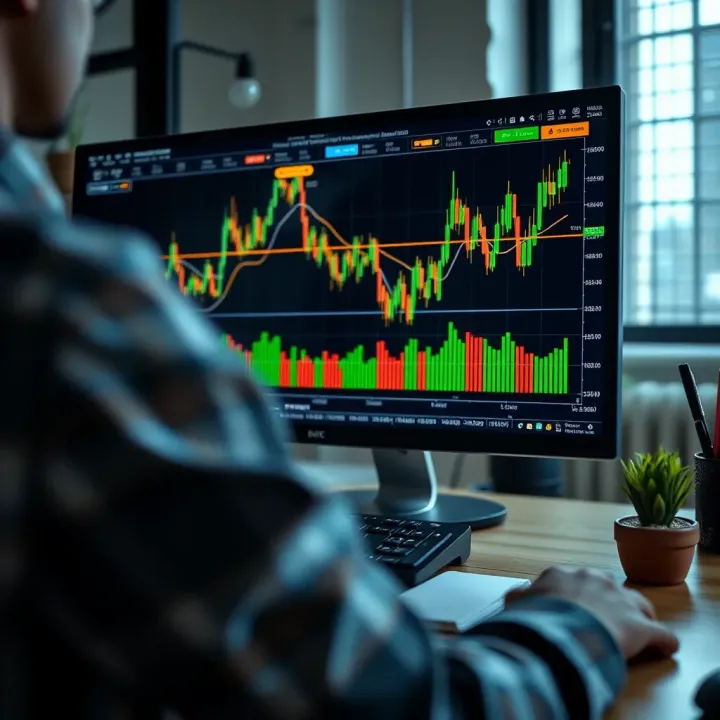
Look out for brokers who openly display their FSCA licence number on their websites. If you’re unsure, you can check their registration through FSCA’s database. Avoid brokers unregistered in South Africa, as they typically offer little in terms of client protection.
Dealing with unregulated brokers can be risky — from unreliable trade execution to the possibility of sudden account freezes or withdrawal refusals. Scam operators might offer unrealistically attractive promotions or guaranteed profits to lure beginners, but their main aim is often to trap your money.
There have been cases where South African traders lost thousands of rands to such platforms because they lacked proper oversight and dispute resolution options. Staying within the regulated environment helps shield you from these pitfalls.
Trading with Rand (ZAR) deposit and withdrawal options simplifies your forex activities and helps avoid losing money to currency conversion fees. Many local brokers offer Rand-based accounts, allowing you to fund your trading without going through multiple currency exchanges.
Fast withdrawal options in Rand are practical, especially because some international brokers might delay payouts or require conversions back into USD or EUR, which can add unexpected costs and time.
If your chosen broker deals primarily in foreign currencies, converting Rand to USD or EUR introduces extra costs. Banks and payment processors charge fees or unfavourable exchange rates, which eat into your trading capital.
For example, putting R10,000 into an account denominated in USD might cost you R200-R300 in conversion fees. Over time, this adds up and reduces your available margin. Traders should shop around for brokers offering competitive Rand account options.
Among the popular local methods for funding a forex account are EFT (Electronic Funds Transfer), credit/debit cards, and newer options like SnapScan or Zapper.
EFT: Reliable and widely accepted but can take 1-3 business days. Banks sometimes have daily transfer limits.
Credit/Debit Cards: Instant deposits but often attract higher fees and might be declined by some brokers due to fraud risks.
SnapScan/Zapper: Convenient and quick for small payments yet may not support larger transfers essential for forex trading.
Choosing the right method depends on your trading frequency, deposit sizes, and how soon you need your funds in the account.
Navigating South Africa's forex trading environment means balancing legal safety, cost efficiency, and practical access to your funds. Understanding these local specifics goes a long way towards trading with confidence and protection.
Starting your first forex trade is more than just clicking a button; it’s the foundation of your trading journey. Having a clear grasp of this process helps you avoid common pitfalls and sets realistic expectations. For South African traders, understanding how to get started means navigating local regulations, choosing the right tools, and managing Rand-related costs effectively.
Many South African traders prefer platforms like MetaTrader 4 (MT4), MetaTrader 5 (MT5), and cTrader for their reliability and widespread support. These platforms allow easy access to major currency pairs involving the Rand (ZAR), offer multiple order types, and support automated trading strategies. For instance, MT4 is widely embraced because of its user-friendly interface and extensive community support.
When picking a platform, focus on user-friendliness, charting tools, execution speed, and security measures. Platforms with real-time quotes, a variety of technical indicators, and customisable layouts often give traders an edge. For example, the ability to place stop losses or trailing stops directly on charts makes managing trades more intuitive. Additionally, strong encryption and two-factor authentication help shield your account from cyber threats.
Trading on the go is crucial, especially for South Africans dealing with loadshedding or unexpected schedule changes. A good mobile app should offer most desktop features, including real-time price alerts, easy order placement, and account management. Apps from platforms like MetaTrader and IG are popular because they work well even on slower mobile data networks, which helps when data bundles are limited or coverage is patchy.
Compliance with local laws means you’ll need a valid South African ID, proof of residential address (such as a municipal account), and sometimes a bank statement. These documents help forex brokers verify your identity and ensure you meet regulatory standards. For example, brokers under the Financial Sector Conduct Authority (FSCA) require these to protect you and prevent fraud.
The Regulation of Interception of Communications and Provision of Communication-related Information Act (RICA) and the Financial Intelligence Centre Act (FICA) aim to prevent money laundering and identity theft. Brokers will typically request you to submit documents confirming your identity and address to comply with these acts. This process might feel tedious but ensures a safer trading environment for everyone.
Most brokers offer several account types, from micro accounts with lower minimum deposits ideal for beginners, to standard and VIP accounts with more advanced features or better spreads. Picking the right account depends on your budget and trading style. For instance, if you plan to trade smaller amounts while learning, a micro account with a minimum deposit of about R500 is often a sensible choice.
Once your account is set up and funded, placing a trade usually involves selecting a currency pair, entering the trade volume (lot size), and deciding whether to buy (go long) or sell (go short). For example, you might choose to buy USD/ZAR at 18.50 if you expect the Rand to weaken. Confirm your order and monitor the trade’s progress.
Besides market orders, which execute at the current price, limit and stop orders let you control entry and exit points without constant monitoring. A limit order buys or sells at a better price than the current market, while a stop order activates once a certain price is reached, which can help protect profits or limit losses. Knowing these can prevent emotional decisions during volatile moments.
Stop loss orders automatically close a trade at a set price to limit potential losses, while take profit orders lock in gains by closing a trade once a target price is hit. For example, if you buy EUR/ZAR at 19.00, you might set a stop loss at 18.80 and take profit at 19.30 based on your risk tolerance. These tools help keep your strategy disciplined and avoid losses that sting more than they should.
Starting your forex trade carefully with the right platform, verified account, and sound order management saves time and money, reducing stress while you learn the ropes. Taking these steps seriously is the best way to build confidence trading the Rand and other currencies.
Effective risk management and a solid trading strategy are cornerstones for any forex trader, especially in South Africa where market factors and local regulations play a role. Without these, even a well-informed trader can face significant losses. Taking control over your risks and having a clear plan helps protect your capital and makes trading less stressful.
Forex markets are often volatile, with prices swinging sharply in response to global events or economic releases. This volatility can mean quick profits but equally rapid losses. For instance, when unexpected news hits—say a sudden change in South African Reserve Bank (SARB) interest rates or a global commodity price shift—it can make the Rand move erratically against major currencies like the US Dollar or Euro.
Leverage amplifies these moves by letting you control large positions with a smaller upfront amount. While leverage can boost returns, it also magnifies losses. If you buy a pair with 1:100 leverage and the exchange rate moves just a bit against you, your losses might wipe out your initial investment quickly. So, managing leverage carefully is key – using lower leverage or smaller position sizes can help tame risk.
Trading with your head rather than your heart is easier said than done. Emotions like fear and greed often lead to impulsive buying or selling, chasing losses, or holding onto losing trades too long. For example, a trader might panic-sell during a sudden Rand slump or double down in an attempt to recover sore losses. Both are recipes for disaster.
To manage emotions, it's critical to follow a plan. This includes setting stop losses to limit downside and sticking to them without exception. Taking regular breaks and avoiding trading under stress or fatigue also helps keep a clear mind.
South African traders must be alert to scams that promise guaranteed profits or unusually high returns with little risk. Fraudulent platforms might delay withdrawals, manipulate prices, or disappear altogether. For example, unregulated brokers operating without FSCA approval often claim attractive offers but leave traders out in the cold.
Always verify a broker's FSCA licence and look for reviews on trusted sites or forums. Stay clear of schemes that sound too good to be true. Protecting your funds means choosing reputable brokers and being cautious about unsolicited offers.
A straightforward way to start trading is by analysing whether a currency pair is trending—meaning it's showing clear upward or downward movement over time—or ranging, where prices bounce between support and resistance levels. Trend followers buy when prices are consistently rising and sell as they fall, while range traders aim to buy at the low end and sell near the high end of a price range.
For example, if the USDZAR is steadily climbing due to strong US economic data, a trend follower might buy USDZAR anticipating the move will continue. Conversely, if the currency pair is stuck between R14.50 and R15.00 over several days, a range trader waits to buy near R14.50 and sell near R15.00.
Indicators such as moving averages or the Relative Strength Index (RSI) help traders gauge momentum or identify overbought/oversold conditions. Moving averages smooth out price data, showing whether the trend leans up or down. RSI highlights when a currency might be due for a reversal.
Relying on a few simple indicators helps avoid analysis paralysis. For a beginner, combining moving averages with RSI can clarify entry and exit points without being overwhelming.
Before risking real Rand on the markets, practising with a demo account is invaluable. Demo trading uses fake money but real-time market data, allowing you to execute trades, test strategies, and get familiar with the platform without financial pressure.
For example, a beginner can simulate trades on USDZAR or EURZAR pairs during different market conditions, learning how stop losses work and how leverage affects outcomes. This builds confidence and skill before moving to live trading.
Managing risks isn’t just about avoiding losses; it’s about making trading manageable and sustainable in the long run. A clear strategy, emotional discipline, and careful broker choice protect you from unnecessary pitfalls in forex trading.
By focusing on these risk elements and simple strategies, new South African forex traders can build a strong foundation to trade confidently and wisely in the local and global markets.
Continuous learning plays a vital role in forex trading, especially for beginners in South Africa. The forex market is dynamic, influenced by global events and local economic factors like Rand volatility and political shifts. Keeping up with reliable resources and gaining insights from experienced traders can help you avoid costly mistakes and sharpen your trading skills.
Finding trustworthy guides online is simple if you know where to look. Websites of established brokers like IG, Plus500, and local firms such as Revix often provide free, clear educational content. These guides cover everything from the basics of currency pairs to advanced trading strategies. PDFs are especially handy because you can download them and study offline, which is useful where internet connectivity can be patchy.
Local blogs and forums inform you about the nuances specific to the South African market. Platforms like MyBroadband's forex thread or Trade24’s community forum let you engage with fellow South African traders. Here you can ask questions about Rand-related trades, share experiences dealing with Eskom loadshedding interruptions, or discuss broker reviews relevant to local regulations.
Courses by SA-based educators often blend global forex principles with local insights. Look out for providers offering short courses or webinars tailored to first-time traders in South Africa. These sessions typically involve live examples with Rand pairs and guidance on understanding FSCA regulations. Some platforms even allow you to interact with tutors, which can speed up your learning curve.
Joining a community helps you stay motivated and informed. Groups on Facebook or WhatsApp centred on South African forex trading offer a space to discuss trending topics or shaky signals your algorithm flags. These communities often share resources, upcoming training events, or notice of scams, which is crucial given the risks linked to unregulated brokers.
Watching the moves of experienced local traders on platforms like Twitter or YouTube can provide real-world examples that books don’t always cover. South African traders often share strategies that take Rand fluctuations into account, or how they adjust their trading during political uncertainty — insights very relevant for local beginners.
Keeping an eye on social media is an effective way to get fresh market updates faster than traditional news outlets. Twitter feeds of local financial analysts, forex signal providers, or economic commentators can warn you about upcoming events affecting the Rand or global currencies. Just remember to cross-check information, as social media can sometimes amplify rumours.
Staying informed through a combination of reliable materials and community engagement can make a real difference in your forex trading journey, especially when navigating the unique complexities of the South African market.
📉 New to Forex in South Africa? Learn how to start trading safely with trusted brokers, understand risks, and navigate local laws confidently.
📈 Learn forex trading in South Africa with our complete beginner's guide! Understand market basics, strategies, risk management, and local rules. 💡

Explore free forex trading opportunities in South Africa 🌍 including demo accounts, learning tools, and tips to trade without upfront investment safely and smartly.
Discover tailored forex trading strategies for South African traders 🇿🇦. Learn foundational tactics, advanced methods, and smart risk management to boost your trading game. 💹💡
Based on 14 reviews