

Understanding the Gender Binary and Its Impact
Explore how the gender binary shapes society, challenges faced by non-binary identities, and its effects in South Africa’s education, health, and law ⚖️🌍
Edited By
Isabelle Turner
Binary scamming has become a significant threat in South Africa’s financial landscape, catching many traders, investors, and financial advisors off guard. It revolves around the misuse of binary options trading platforms, which promise easy returns but often end up cheating investors out of their money.
At its core, binary trading involves predicting whether an asset’s price will rise or fall within a short timeframe, usually minutes or hours. Though legitimate binary trading exists, scammers exploit this simplicity by presenting fake platforms or deceptive offers, making the whole process look foolproof.

Typical binary scams lure victims with promises of high returns and quick profits. They often flood potential targets with calls, SMSs, or emails, urging them to invest immediately. These platforms may ask for an upfront deposit and then manipulate trades so that users lose consistently, or they might disappear entirely with the invested cash.
Be wary of unsolicited offers from unfamiliar sources, unrealistic profit guarantees, and pressure tactics urging rapid action.
In South Africa, understanding the legal frameworks around financial scams is essential. The Financial Sector Conduct Authority (FSCA) regulates financial services and aims to protect consumers from fraudulent schemes. However, many scammers operate online, sometimes from abroad, complicating enforcement.
Awareness is your first line of defence. Spotting red flags like lack of proper licensing, ambiguous terms, and refusal to allow withdrawals can save you from losses. Secure your finances by verifying the platform through FSCA registrations, and avoid sharing personal or banking details without full confidence.
To protect yourself effectively:
Research thoroughly before investing; don’t trust flashy ads or unsolicited advice.
Use official channels to verify any financial services or trading firms.
Consider consulting registered financial advisors before committing funds.
Report suspicious activities to bodies like the FSCA or the South African Police Service.
Taking these steps will help you steer clear of binary scams and safeguard your hard-earned money amidst a growing sea of online investment traps.
Binary trading has gained traction in recent years, particularly as an option for quick financial gains. For traders, investors, brokers, and financial advisors, understanding the nuts and bolts of binary trading is key to recognising the risks, especially those linked with scams.
Binary options trading involves speculating on the price movement of an asset—such as shares, currencies, or commodities—over a short timeframe. The "binary" part means there are only two possible outcomes: either you earn a fixed return if the prediction comes true or lose your stake if it doesn’t. The straightforward yes/no nature can seem attractive, but it oversimplifies the complexity of actual market dynamics.
Trading happens on specialised platforms that offer a range of underlying assets, expiry times, and payout ratios. These platforms show you potential profits upfront, such as "Win R150 if gold's price goes up in 10 minutes." The user decides yes or no, and if correct, earns the advertised payout. If not, the stake vanishes, often with little explanation.
High-profit promises and fast returns make binary trading a magnet for fraudsters. Promises of doubling your money in minutes or guaranteed profits paint a rosy picture that pulls in unsuspecting users. In reality, most binary trading carries high risks, and the odds usually favour the platform rather than the trader. Scammers exploit this by offering unrealistic guarantees to lure victims into depositing significant sums.
Lack of regulation and oversight further emboldens fraudsters. Many binary trading platforms operate outside South Africa’s Financial Sector Conduct Authority (FSCA) regulations or claim licences from dubious or foreign jurisdictions. Without proper oversight, these platforms can manipulate prices, delay or block withdrawals, or vanish with users’ money. The absence of local accountability makes it tougher for victims to seek redress.
Accessibility to everyday users adds another layer to its appeal for scammers. Unlike traditional share trading that requires some knowledge and formal registration, binary platforms are easy to access via smartphones or laptops. They often parachute into social media feeds and messaging apps, where they aggressively recruit clients. This low barrier to entry means anyone from students to pensioners can be targeted, often without fully grasping the risks or the legitimacy of the platform.
Understanding how binary trading works and why it attracts scams is critical for making informed decisions. Knowing what lies beneath the flashy adverts and quick-money promises can help protect your investments and avoid costly traps.
By recognising these points, any trader or investor can better navigate the complex space of binary options and steer clear of fraudulent schemes masquerading as legitimate opportunities.
Understanding the typical tactics scammers use in binary trading is essential for any trader, investor, or financial professional. These tactics are designed to deceive and manipulate, often exploiting the desperation or eagerness of victims to make quick money. Being aware of these tricks helps you spot fraud early and protect your investment.
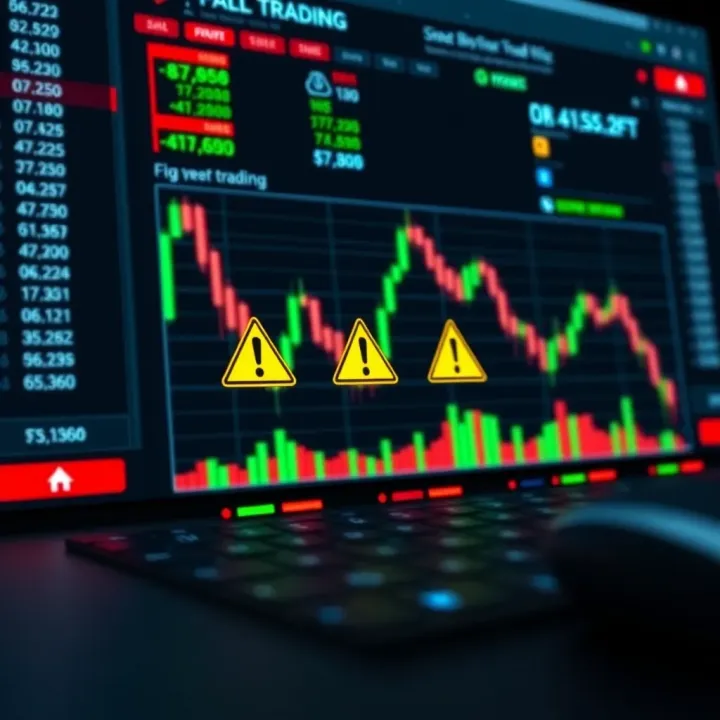
Fake trading platforms often look just like legitimate ones—slick websites, real-time charts, and customer support. However, these sites don't actually execute trades or allow genuine withdrawals. Instead, they create an illusion of profit to keep users depositing more money. For example, a scam platform may show your account balance increasing, but when you try to cash out, they invent excuses to delay or block withdrawals. These platforms often disappear completely, leaving victims with nothing.
Unrealistic profit guarantees are a favourite lure used by scammers. They promise huge returns within a day or even hours, often claiming 80% or more profit per trade with no risk. In reality, binary trading is risky and far from guaranteed. If an offer sounds too good to be true, it probably is. Legitimate brokers will always caution about risks and never promise fixed profits.
Pressure tactics and emotional manipulation are common tools scammers use to cloud judgement. They may call repeatedly at odd hours, rush you to invest quickly to "lock in" special deals, or advise you to borrow money to trade. These tactics prey on fear of missing out or greed. A wise trader stays calm, insists on time to research, and never succumbs to high-pressure sales.
False testimonials and social proof often appear on scam sites and promotional emails. They include glowing video reviews, fake user stories, or fabricated endorsements from “financial experts”. These are crafted to seem convincing but are often recycled from unrelated scams or actors paid to praise the scheme. Don’t rely on testimonials alone; check independent reviews and regulatory databases.
Phishing through emails and calls is a sneaky method to gather personal and financial information. Scammers may pretend to be customer service agents or regulators, asking you to verify account details or reset passwords. Often the emails mimic the branding of real companies, making them hard to spot. Always confirm suspicious requests by directly contacting the company's official number.
Use of fake licences and regulatory seals involves displaying forged certifications or logos from official bodies like the Financial Sector Conduct Authority (FSCA). These fake badges give a false sense of security to victims who assume the platform is legit. Authentic regulatory licences can be verified through the FSCA’s official listings. Never trust a site solely because it shows a regulatory seal.
Being aware of these typical tactics can help you avoid costly mistakes and make informed decisions when considering binary trading opportunities.
Spotting the warning signs early is key to protecting yourself from binary scams. These scams often appear legitimate at first but hide dangerous traps. Knowing what to watch out for not only saves you money but also spares you the hassle and emotional stress that victims often face. The following points break down common red flags found in communication, offers, and platform behaviour.
When you receive unexpected calls or messages pushing binary trading offers, be wary. Scammers frequently reach out without prior contact, using high-pressure tactics to entice quick decisions. For instance, you might get a call from someone claiming to be a ‘financial expert’ guaranteeing easy profits. Legitimate investment firms usually don’t cold call people about high-risk products. If the caller insists you act immediately or fears missing out, it’s a strong sign of a scam.
Any offer claiming guaranteed or risk-free profits from binary trading should raise eyebrows. Binary options inherently carry substantial risk, and no genuine trader can promise consistent high returns without potential losses. Scammers exploit this by dangling unrealistic profits to lure you in. For example, you might encounter messaging promising 80% returns within minutes with ‘zero risk’. These claims are not just unlikely — they’re false, designed to trap you into investing.
Demanding money before letting you trade or requesting sensitive personal information upfront is a red flag. Scammers often ask for initial deposits, verification fees, or identity documents before you can access your account or withdraw funds. This information can lead to identity theft or unauthorised access to your bank accounts. For example, if a platform pressures you to pay a deposit via untraceable methods like cryptocurrency, it’s wise to step back and reconsider.
One of the most common signs of a scam is trouble getting your money out. Scammers lure you into depositing funds but then create barriers when you try to withdraw. These hurdles can include sudden account freezes, confusing paperwork demands, or simply no response. A legit trading platform must allow you to withdraw funds smoothly and transparently. If withdrawal requests drag on or get refused without clear reasons, it’s time to suspect foul play.
Watch out for unexpected charges on your account or suspension without warning. Some scam platforms deduct hidden fees once you deposit or block your account citing vague ‘terms and conditions’. These sneaky tactics cut your funds and hope you won't notice until it’s too late. For instance, a user could find their account inaccessible after requesting a withdrawal, with platform customer service suddenly unreachable. This behaviour points strongly to a scam.
A trustworthy platform will openly provide clear contact details, including physical address, registration numbers, and verifiable licences. Scam operators often hide behind fake company names or obscure addresses, making them hard to track. When information like the company’s site registration or director details are missing or fake, it’s a warning sign. Always take time to verify these details through official registries or regulators like the Financial Sector Conduct Authority (FSCA).
Staying alert to these warning signs protects your hard-earned money and helps you trade smartly. If something feels off, trust your instinct and investigate further before committing any funds.
South Africa's legal framework provides several layers of protection against binary trading scams. This structure aims to curb fraudulent activities while giving victims realistic avenues for recourse. For traders and investors navigating these murky waters, understanding how regulations and legal protections operate locally can mean the difference between losing hard-earned cash and standing a chance at justice.
The FSCA regulates the financial markets and services sector in South Africa, including binary trading platforms when they fall within its jurisdiction. While binary options themselves often operate from offshore locations, South African law requires any platform offering financial products locally to comply with FSCA rules. These rules include licensing requirements, disclosures, and operational transparency to protect consumers.
In practical terms, this means traders should check whether a binary trading platform is FSCA-licensed. Platforms without this licence often lack accountability, making it easier for scammers to operate unchecked. Despite jurisdictional gaps with foreign sites, the FSCA makes efforts to identify and warn the public about non-compliant or fraudulent operators.
When an investor reports a scam, the FSCA investigates complaints through its enforcement division. The authority can issue warnings, impose fines, or pursue legal action against offenders who breach regulations. Although the FSCA cannot guarantee fund recovery, its role in curbing illegal behaviour and raising awareness offers important protection for South Africans. For example, the FSCA regularly publishes alerts about new scam trends and lists banned entities.
Apart from the FSCA, the Consumer Protection Act (CPA) offers another safety net. It covers unfair business practices, including misleading advertising and deceptive sales tactics often used by binary scammers. The CPA allows consumers to cancel agreements and seek refunds if they can prove unfair treatment. For instance, if a platform promises risk-free returns but fails to deliver, you may invoke the CPA to challenge the agreement.
The South African Police Service (SAPS) plays a crucial role when scams cross into criminal territory such as fraud and theft. Reporting scams to SAPS launches official investigations, especially if financial losses are significant. However, victims often face challenges recovering funds due to the cross-border nature of many schemes.
To lodge complaints effectively, start with the FSCA's online complaint system if the issue involves financial services. For criminal complaints, visit your local police station and request to open a case. Keeping thorough records — such as transaction details, communications, and platform information — will strengthen your report. Additionally, organisations such as the National Consumer Commission can help mediate disputes involving scams.
Staying informed about South Africa's regulatory bodies and legal rights gives you a practical edge against binary scams. If you're suspicious or have been targeted, reporting promptly improves the chance of limiting damage and helps authorities act.
Understanding the layered protection available through the FSCA, CPA, and SAPS helps traders approach binary trading with caution and better safeguards. While not all losses can be recovered, the legal landscape is there to discourage scams and provide some means for redress.
Avoiding and recovering from binary scams is a key part of staying safe in the fast-moving world of online trading. These steps help you spot dodgy operations early, protect your money, and know what to do if things go wrong. Without practical guidance, traders risk losing not just cash but their trust in legitimate platforms, putting their financial future in jeopardy.
Checking platform legitimacy is the first defence against falling victim to a binary scam. Before signing up, verify if the platform is registered with South Africa’s Financial Sector Conduct Authority (FSCA), which regulates financial services. Legitimate sites usually list their FSCA registration number and have clear contact details. For example, if a platform claims to be regulated but their licence number doesn’t match FSCA records, that's a red flag. Always dig deeper rather than trusting flashy websites or promises of quick profits.
Avoiding pressure tactics is crucial as scammers often push for fast decisions to trap victims. If an agent or broker is calling nonstop, urging you to deposit money immediately or claiming that the opportunity won’t last, be cautious. Legitimate brokers understand that investments require time and deliberation. They won’t rush you or threaten you with penalties for hesitating. If someone keeps pushing even after you say no, better to step back and reconsider.
Protecting personal and financial information is vital in an online trading environment. Never share sensitive details like banking PINs, ID numbers, or passwords with unknown contacts, no matter how trustworthy they seem. Scammers use this info for identity theft or unauthorised transactions. Use strong, unique passwords for trading accounts, enable two-factor authentication if possible, and monitor your bank statements regularly. For instance, some victims have lost thousands after sharing OTP codes, thinking it was routine.
Where to report scams in South Africa matters because timely reporting can help authorities track down scammers and warn others. If you suspect a binary scam, report it to the FSCA's Consumer Contact Centre, your local police station through the South African Police Service (SAPS), and even the National Consumer Commission if relevant. Detailed reports with screenshots, emails, or transaction records strengthen investigations. The quicker you act, the better the chance to disrupt fraudulent schemes.
Potential for recovering lost funds is often slim but not impossible. Once money leaves your control, especially through cryptocurrency or offshore accounts common in binary scams, recovery becomes difficult. However, if reported early, law enforcement or financial institutions might freeze accounts linked to fraudsters. Some victims in South Africa have recovered partial losses after involving banks and following legal procedures. The takeaway: don't delay reporting and keep all evidence.
Getting support and advice is essential to regain control and confidence. Organisations like the FSCA offer guidance on recognising scams and safeguarding investments. Financial advisers familiar with binary trading can help review offers or contracts before you commit. Also, support groups or online forums share practical experiences and tips. Reaching out reduces isolation and provides a clearer path forward after a scam.
Knowing what steps to take not only defends your money but helps build a stronger, scam-aware trading community. It’s about being alert, informed, and ready to act.
Explore how the gender binary shapes society, challenges faced by non-binary identities, and its effects in South Africa’s education, health, and law ⚖️🌍

Explore how binary code drives the web, impacting internet protocols, data security, and development 🌐📊, with insights tailored for South African users 🇿🇦.

💻 Explore hex to binary conversion: understand manual steps, software tools, and practical uses in coding and electronics. Easy examples included! 🔢

📈Explore free live binary signals to boost your trading! Learn how to spot reliable sources, weigh pros & cons, and make smarter binary options decisions.
Based on 12 reviews