
Practical Forex Trading Strategies Explained
📊 Explore practical forex trading strategies with downloadable PDFs! Learn to apply and adapt tactics for smarter trades in South Africa's market.
Edited By
James Whitmore
The 1 minute forex trading strategy offers a way to make quick trades by focusing on short-term price movements within one-minute charts. It appeals to traders seeking rapid turnover, often aiming to catch small but frequent profits. While it demands sharp focus and discipline, mastering this approach can allow you to navigate volatile markets with agility.
This strategy relies on identifying brief but reliable signals within narrow time frames, so speed and precision are essential. Common tools include moving averages, Bollinger Bands, and RSI (Relative Strength Index), which help detect momentum shifts and price reversals quickly.
Speed without control is a recipe for losses. Managing risk is crucial when trading on such fast setups.
It caters to traders who prefer active positions and want to avoid market exposure risks associated with longer holding periods. This method makes use of:
Small price fluctuations
Tight stop-loss orders to limit downside
Scalable position sizes to suit individual risk appetite
Set up your charts: Use a clean platform like MetaTrader or TradingView, configure your charts to a single one-minute time frame, and apply your chosen indicators.
Trade during active hours: Liquidity peaks during London and New York sessions, which helps reduce slippage and spreads.
Create a clear plan: Define entry and exit points, risk limits (e.g., no more than 1% of your capital per trade), and stick to them regardless of emotions.
Use PDFs and guides: Many reputable brokerages and learning platforms provide downloadable strategy sheets and checklists—these quick reference tools can help you stay disciplined.
Backtest before live trading: Practice on historic data to see how your signals perform in different market conditions before risking actual capital.
Trading the 1 minute forex strategy is intense but doable with consistency and risk management. This guide will explain the setup, techniques, and ways to improve your edge without falling into common pitfalls local traders often face during volatile sessions.
Grasping the 1 minute forex trading strategy is key for traders who want to capitalise on quick market moves. This approach demands sharp focus and fast decision-making but offers the chance to lock in profits from brief price swings that might be missed on longer time frames. For example, a trader using a 1-minute chart might enter and exit multiple positions within an hour, unlike traditional daily trading that holds positions for days or weeks.
1 minute trades are typically over within moments, reflecting a style focused on capturing small price fluctuations. Traders keep positions open just long enough to ride a quick pulse in the market, often no more than a few minutes. This means trades rely heavily on precise entry and exit points and demand constant monitoring. For instance, a trade on EUR/USD might target a gain of just a few pips before closing quickly to avoid reversal.
Unlike daily or hourly strategies, the 1 minute approach is less about fundamental factors and more about technical signals and market micro-movements. It requires reacting almost immediately to price action, rather than analysing broader trends or economic news in depth. This fast pace means the strategy suits traders who thrive on rapid decision-making and can handle higher stress levels.
Short-term traders with steady nerves and sharp technical skills gain the most from 1 minute trading. Those who can maintain discipline amid fast price swings find this method rewarding. On the flip side, swing traders or investors who prefer longer-term strategies might find the pace exhausting and less suited to their style.
Volatility plays a big role in 1 minute trading. Currency pairs like GBP/USD or USD/JPY often have tight ranges but can spike quickly with market events, creating chances for profit. Traders need to pick pairs that suit their risk tolerance and strategy, recognising that highly volatile pairs might offer quick gains but also greater chance of reversals.
Since profits per trade tend to be small, tight spreads and low commissions matter. For example, a spread of 1 pip on EUR/USD represents a full chunk of the expected profit on a quick trade. Brokers offering variable spreads might widen them during volatility, so selecting a broker with reliable, low transaction costs can make or break short-term returns.
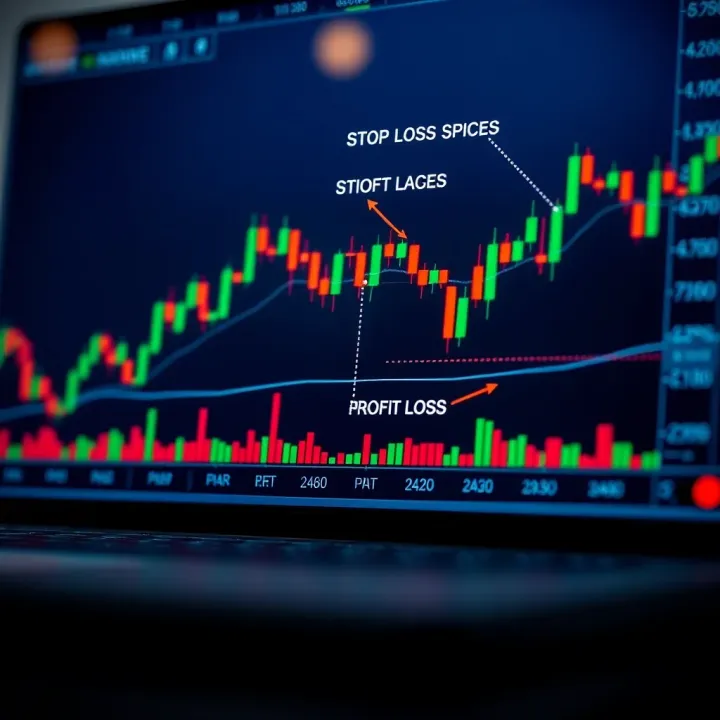
Leverage magnifies both gains and losses, which can speed up account growth but also risks wipeout. In 1 minute trading, traders often use moderate leverage, perhaps 10:1 or 20:1, to balance risk. For instance, a R10,000 account using 10:1 leverage can control R100,000 in currency, making a 0.1% price move lead to R100 profit or loss. Managing leverage with strict stop-losses is vital to avoid big setbacks.
Fast-paced 1 minute trading isn't for the faint-hearted, but with the right understanding of these core elements, traders can target small, frequent wins while controlling risks carefully.
In the world of 1 minute forex trading, mastering core techniques is vital to stay ahead. Trades unfold rapidly, so precision in selecting indicators and following entry and exit rules can mean the difference between profit or loss. This section unpacks the tools and tactics you’ll rely on to catch quick moves in the market without getting caught out.
Moving averages and their settings offer a quick way to smooth out price action. In 1 minute trading, shorter moving averages like the 5-period or 10-period are common because they respond faster to rapid price shifts. For example, a 5-period moving average crossing above a 10-period might signal a quick bullish move. The key lies in tuning these to reflect the hectic rhythm of the 1-minute chart, avoiding lag that could delay entry or exit signals.
Oscillators like RSI or Stochastic help identify overbought or oversold conditions, which is useful for timing reversals. On a 1 minute chart, RSI set to 7 or 9 periods can be more responsive than the traditional 14, providing timely clues that price may soon pull back or surge. Stochastic oscillators, with settings adjusted to capture fast momentum swings, can also flag these conditions early, letting you enter or exit before the market reverses.
Volume and momentum indicators add another layer by showing whether a price move is supported by enough market participation. On quick trades, spikes in volume or rising momentum indicators often confirm the validity of a move, advising you to stick with the trade. For example, if a breakout coincides with a sudden volume increase, this may indicate follow-through rather than a false start.
Identifying entry signals in 1 minute trading demands scanning for clear, immediate patterns—like a moving average cross supported by an RSI bounce off oversold territory. The aim is to capture momentum early before it fades. Unlike longer trades, hesitation can cost you the entire move, so clarity in signals is non-negotiable.
Setting stop-loss and take-profit levels must be razor-sharp. Because 1 minute trades are short and fast, stop-losses are tight, often just a few pips away, to prevent large setbacks. In the same breath, take-profit targets are modest but realistic—say, 5 to 10 pips—matching typical short bursts of price action. Balancing these safeguards shields your capital while letting profitable trades ride.
Timing and executing exits requires discipline. Exiting on a predetermined target or when the momentum wanes is key, as holding too long often erodes gains. Watching indicators like momentum slowing or oscillators moving out of favour can prompt timely exits. Sometimes, a decisive candle close against your position tells you to pull out immediately, preserving capital for the next setup.
Quick trades leave no room for guesswork. Relying on finely tuned tools and strict entry and exit rules lets you trade confidently even under fast market conditions. Practise and experience will help you hone these techniques to fit your style and risk appetite.
When trading on very short time frames like the 1 minute forex strategy, strong risk management is not just helpful, it’s essential. Quick trades in a volatile market leave little room for error, so knowing how to manage position sizes, use stop-loss orders, and maintain discipline can protect your capital from rapid losses.
Position sizing techniques help control how much you risk per trade. In quick trading, where price swings can be sharp and sudden, limiting exposure is key. For instance, if you only risk 1% of your trading capital per trade, your losses remain manageable even after a few losing positions. Many traders use a fixed fractional method, adjusting trade size based on their stop-loss distance so each trade risks roughly the same amount in Rand terms despite shifting volatility.
Using stop-loss orders effectively is a no-brainer for 1 minute trades. Since the market can whip back and forth fast, setting tight stop-loss orders limits potential losses. But too tight can trigger premature exits due to market noise. The trick is to use volatility-based stops, like measuring the average true range (ATR), then placing stops just beyond that range. This way the stop-loss is relevant to current price action and not just an arbitrary number.
Avoiding overtrading is just as important as knowing when to jump in. The fast pace tempts some traders to fire off multiple trades in quick succession, hoping to catch every move. This behaviour often leads to reduced focus, higher trading costs, and cumulative small losses that add up. Sticking to a predefined plan, say 3–5 trades per hour maximum, helps maintain quality and avoid burnout.
Dealing with fast market moves requires keeping your cool during sudden spikes or drops. In 1 minute trading, gold rush feelings can set in, but panicking can quickly turn a small loss into a big one. One way to manage this is by using limit and stop orders to automate exits rather than manually chasing price action — it reduces the risk of emotional decisions.
Maintaining focus and reducing impulsive decisions go hand in hand. Quick trades need sharp attention, but distractions or tunnel vision can lead to impulsive entries or exits. Techniques like setting pre-trade checklists, taking short breaks every hour, and using third-party risk management apps can ground your mind during hectic sessions.
Reviewing trades and continuous improvement are often overlooked but vital steps. Keeping a straightforward trade journal listing entry/exit points, reasons for the trade, and outcomes helps identify patterns of success or failure. For example, a trader might notice repeated losses during news releases and decide to avoid trading around those periods. Regular review helps refine your approach and weed out bad habits.
Strong risk management isn’t just a safety net; it’s the foundation for sustainable success in quick forex trading. Without it, even the best strategies can unravel fast.
Managing risk properly in the hectic 1 minute forex environment protects your capital and sharpens your trading edge, giving you a better chance to thrive rather than just survive in fast markets.
Forex trading at the 1 minute level requires quick thinking and precise action. PDFs dedicated to this strategy can be valuable tools for traders looking to sharpen their skills and apply proven tactics effectively. Having practical access to well-structured PDFs allows you to review strategies calmly away from the fast-moving charts, preparing your mindset and sharpening your approach before entering live trades.
Clear explanations of setups and strategies are vital when choosing a PDF. Look for documents that break down entry and exit points, indicator use, and trade timing in simple terms. For example, a quality PDF might detail how to use a 5-period exponential moving average cross with RSI levels to time entries on the 1 minute chart. Clear instructions reduce confusion and help you stay disciplined amid quick market changes.
Charts and real examples bring theory to life. A good trading PDF should include annotated screenshots or diagrams showing actual trades, ideally with currency pairs common in South African trading like USD/ZAR or GBP/USD. These examples illustrate how to spot trading signals and confirm setups in real market conditions, making it easier for you to replicate or adapt the strategies accurately.
Risk management guidelines are equally important. Any practical PDF must outline how to set stop-loss points on rapid trades, position sizing suitable for a volatile 1 minute timeframe, and methods to avoid blowing out your account quickly. It might explain, for instance, using a fixed percentage of your trading capital per trade or adjusting stops according to recent market volatility.
Step-by-step learning from PDFs helps embed the strategy properly. Instead of rushing, work through each section slowly, practising setups on a demo account before risking real capital. Treat the PDF like a manual: read, apply, review, and refine your skill. For instance, focus on masterings the entry criteria before moving onto exit rules or risk tactics.
Combining PDF insights with live chart analysis makes your approach dynamic. While the PDF offers foundational knowledge, regularly checking live EUR/USD or AUD/USD minute charts helps you adapt signals to current market behaviour. This blending ensures you don’t trade blindly by theory alone but respond well to ongoing price movements.
Avoiding common pitfalls in applying strategies is crucial. Even with clear PDFs, traders might rush into trades without confirming context or ignore stop-loss placement due to impatience. A good habit is to double-check every trade against the PDF's checklist: Does the setup meet all criteria? Is risk managed? This discipline lets you sidestep costly errors often made in fast forex trading.
Using high-quality 1 minute forex trading PDFs as practical guides can keep your trading focused, reduce costly mistakes, and speed up your learning curve—especially in South Africa’s rapidly shifting markets.
In short, well-curated PDFs act as reliable companions for traders handling the 1 minute strategy, helping to structure knowledge into actionable steps. They’re best viewed as living documents that you refer back to as you sharpen your skills, rather than just static reading material.
In fast-paced forex trading like the 1 minute strategy, extra attention to specific factors can make a notable difference. These additional tips help traders pick the right platforms, manage sudden market swings, and stay flexible when conditions change. Without this, even seasoned traders might struggle to nail entries and exits with the speed such quick trades demand.
Execution speed and reliability are the backbone of successful rapid trades. Delays of even a few seconds can turn a winning idea into a loss in the blink of an eye. For traders focused on one-minute timeframes, brokers offering low latency and stable servers are non-negotiable. For example, a broker using outdated infrastructure or that throttles connections during peak hours can cause costly slippage. It's worth testing demo accounts to see which platforms feel snappier before committing real funds.
When it comes to spread and commission costs, low fees matter more than usual for such fast trading. The spreads—the difference between buying and selling prices—eat directly into profits, especially for trades that last minutes or seconds. Some brokers offer razor-thin spreads but charge per trade commissions, while others bundle costs into wider spreads. Picking a broker with a transparent fee structure and competitive rates can protect the small margins traders rely on. It’s not rare to find spreads vary between 0.5 and 2 pips, so comparing these figures plays a part in the overall cost of quick trades.
Support for mobile and desktop devices also influences efficiency. Markets move fast, and being tied to a desktop can limit flexibility. Conversely, mobile platforms sometimes struggle with execution or data refresh rates. The ideal broker offers seamless experience across devices, letting traders shift between a laptop at home and mobile on the move without missing key moments. Practical examples include using the MetaTrader 4 or 5 platform which supports both desktop and mobile, or checking if the broker's app can handle sudden spikes without freezing.
Handling news releases and economic events is crucial in quick trading. These events can trigger sudden and sharp price moves. For instance, an unexpected interest rate announcement by the South African Reserve Bank can cause instant volatility spikes. Traders must decide whether to avoid trading during these times or tighten stops considerably. Some quick traders opt to close positions well before such events or switch to longer timeframes to reduce risk.
Recognising when volatility is too high or too low helps prevent costly mistakes. Too much volatility can lead to erratic price action, making reliable entries and exits harder. For example, during extended global crises, forex can jump unpredictably in reaction to headlines, affecting one-minute trades. On the flip side, ultra-low volatility means fewer trading opportunities and diminished profits. Tools like the Average True Range (ATR) indicator help pinpoint when the market is too volatile or too calm, letting traders pause or adapt their approach accordingly.
Being flexible in strategy application means not sticking rigidly to one setup regardless of the market mood. The one-minute strategy might require tweaks—such as adjusting moving average periods or oscillators—depending on daily rhythms or currency pairs. For example, the EUR/USD typically behaves differently in terms of volatility compared to the ZAR/USD, especially during South African business hours. Traders who adapt their strategy parameters to current conditions tend to sustain better results over time.
Fast forex trading demands speed and agility, not just in execution but in choosing the right tools and switching tactics when markets talk loudest. Keeping these considerations in mind improves a trader’s ability to act quickly and confidently in fast-moving markets.
This section offers practical guidance that complements core techniques and risk management. Picking good brokers, understanding market volatility, and being flexible keep your quick trades grounded, ready for real market realities beyond textbook examples.
📊 Explore practical forex trading strategies with downloadable PDFs! Learn to apply and adapt tactics for smarter trades in South Africa's market.
Learn how forex trading systems work, key components, and risk tips to improve your trades in South Africa 🌍📈 Practical guide for smart decisions!

📚 Explore forex trading schools: types, courses, skills, pros & cons, plus tips to pick the right program and keep learning beyond classes. 💹
💹 Master forex trading with practical tips on market insight, risk management, price analysis, and discipline to boost your skills and confidence in SA.
Based on 14 reviews