

Free Forex Trading Options in South Africa
Explore free forex trading opportunities in South Africa 🌍 including demo accounts, learning tools, and tips to trade without upfront investment safely and smartly.
Edited By
Edward Mason
Forex trading has gained a lot of attention here in South Africa, especially as more people look for ways to grow their money beyond traditional savings or the volatile JSE. Essentially, forex trading means buying and selling currencies with the aim of profiting from changes in their exchange rates. This market runs 24 hours, which appeals to traders who want flexibility.
Still, a few questions keep floating around: Is forex trading legitimate? How safe is it really? And what does it mean for local traders navigating this fast-paced environment?
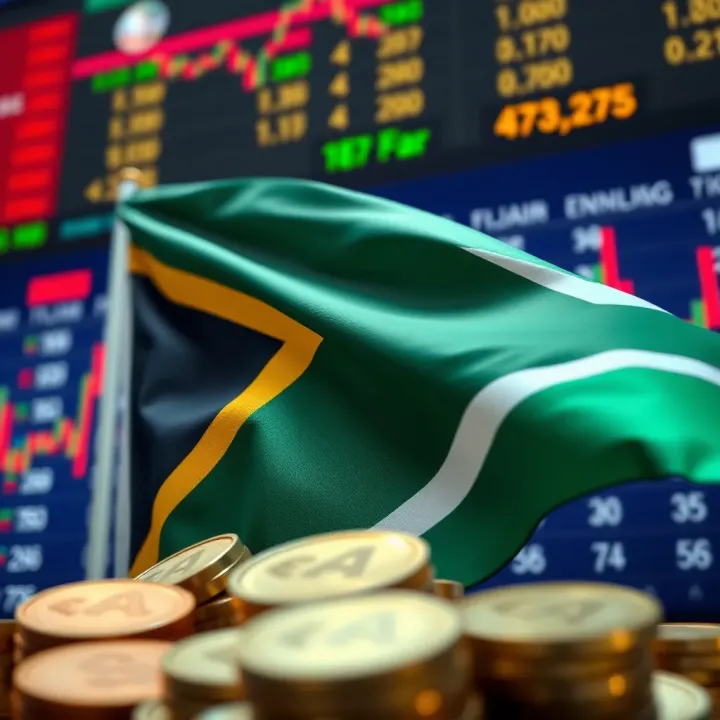
First off, forex trading itself is a legitimate financial activity. The market is massive, with daily volumes hitting trillions of dollars worldwide. Legitimate platforms and brokers exist right here in South Africa, operating under the rules set by the Financial Sector Conduct Authority (FSCA). The FSCA keeps an eye on firms offering forex services to make sure they stick to fair trading practices and protect clients against fraud.
However, not all brokers are created equal. Some offshore or unregistered operators might offer tempting deals or guaranteed profits, which are red flags. Locals have lost money to scams promising quick riches, so doing your homework on a broker’s FSCA regulation status is essential. Also, beware of unrealistic performance claims or pressure tactics.
It's worth noting the risks involved:
Leverage: While leverage can boost profits, it also increases losses. For example, trading with a 1:100 leverage means a R1,000 move in currency rates could result in a R100,000 swing on your position — big risk for traders who aren’t cautious.
Volatility: Currency markets react sharply to global events, from sudden SARB rate changes to international crises, which can cause swift losses.
Costs: Spread costs and overnight fees add up and can erode gains, especially for frequent traders.
For South African traders tempted by forex gains, it's wise to start with education and testing on demo accounts. Websites like MyBroadband offer useful forums where traders share experiences. Also, consider looking into local brokers with good reviews, rather than taking scattergun chances offshore.
Forex trading offers genuine opportunities but involves real risks. Knowing the market, choosing licensed brokers, and managing risks ensure you don’t lose more than you can afford.
In short, forex trading is real and regulated here, but it demands respect, preparation and a clear strategy to steer through its ups and downs.
Getting a solid grip on the basics of forex trading is key before jumping in with your hard-earned R. This section breaks down what forex trading really is, how the currency market ticks, and who the main players are. Understanding these points helps Pretoria traders, Cape Town investors, or anyone else spot opportunities, navigate risks, and avoid falling for scams.
Forex trading involves buying and selling currencies to make a profit from their price movements. For example, if you believe the euro will strengthen against the US dollar, you buy euros and sell dollars, hoping to sell back at a better rate later. Unlike trading shares or property, forex is all about currencies of different countries. South African traders need to consider factors like Rand volatility and international economic news that affect currency values.
The currency market operates 24/5, making it the largest financial market worldwide, with trillions traded daily. Prices are driven by supply and demand influenced by politics, interest rates, economic data, and even natural disasters. For instance, if the South African Reserve Bank changes interest rates, this can impact the Rand's strength, altering forex prices. Trades usually happen in pairs — say ZAR/USD — reflecting one currency's value versus the other.
The forex ecosystem includes a few main characters. First, you have central banks like the South African Reserve Bank, which influence currency values through policy decisions. Then come commercial banks facilitating large transactions, hedge funds and institutional investors chasing profits, and everyday retail traders using platforms offered by brokers. In South Africa, brokers registered with the Financial Sector Conduct Authority (FSCA) provide access to this market, acting as your gateway. Recognising these roles clarifies where your trade fits in and the level of influence different players have.
Understanding the basics sets the foundation for successful trading — it’s like knowing the rules before playing the game.
Armed with these essentials, traders can better assess forex’s legitimacy and approach with realistic expectations, which we cover later in this article.
When it comes to forex trading, many South Africans worry about whether it’s truly legitimate or just another way to lose money. These concerns matter because the forex market, while offering opportunities, can also be a minefield full of scams and misleading promises. Understanding the legitimacy aspect helps traders avoid costly pitfalls and approach the market wisely.
Forex trading is legal in South Africa, but it must be done through brokers regulated by the Financial Sector Conduct Authority (FSCA). This means traders should only engage with licensed entities that meet local rules on transparency and fair dealing. For example, a South African trader using an FSCA-registered broker can have recourse if something goes wrong, unlike trading through an unregulated offshore provider.
Fraudulent brokers often lure traders with flashy websites promising high profits and zero risks. One red flag is a broker that refuses to provide their physical address or FSCA licence number. They might delay withdrawals or disappear altogether after clients deposit money. For instance, a local trader who recently reported losing R50,000 found that the broker’s contact details vanished from their site after a withdrawal request.
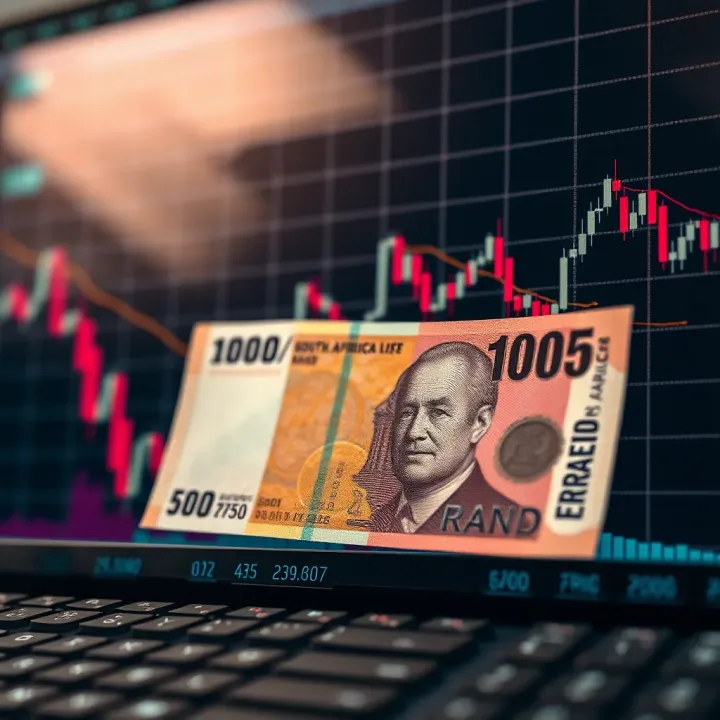
If a broker guarantees you’ll double your money in a month with no effort, it’s a sign to be cautious. Forex markets are volatile and profits can’t be assured. Scammers exploit this by making overblown claims to attract inexperienced traders. Practical trading requires patience and risk management; expecting windfalls as a beginner usually ends in disappointment.
A trustworthy broker complies fully with FSCA regulations, which enforce rules on client fund protection, fair pricing, and transparency. You will notice clear disclosure about risks and fees on their platform. For instance, reputable brokers such as IG and CM Trading openly publish their FSCA licence number and adhere to client fund segregation, meaning your money is kept apart from their operating funds.
Before trusting a broker, check the FSCA register to verify their licence. This simple step can save you from falling victim to scams. The register lists all authorised brokers and their licence status. Traders should also note that some offshore brokers claim fake South African licences. Confirming details directly from FSCA records ensures you deal only with properly regulated firms.
Always do your due diligence on brokers—verify licences, read reviews from South African traders, and understand the risks before you commit any funds. This smart approach can protect your savings and make your forex trading experience safer and more transparent.
Regulation plays a big role in making sure forex trading stays fair and above board in South Africa. Given the risks and complexity of currency markets, oversight helps protect South African traders from scams and unscrupulous operators. It also boosts confidence by ensuring certain standards and rules are met by those offering forex services.
South Africa’s financial watchdogs keep a close eye on the forex market, setting requirements for brokers and holding them accountable. This means traders can check if a broker is properly licensed and regulated before trusting them with their money. Without this, it would be much easier for dodgy brokers to fleece unsuspecting traders, especially given the rise of online platforms.
The Financial Sector Conduct Authority (FSCA) serves as the main regulatory body overseeing financial service providers in South Africa, including forex brokers. Their job is to supervise market behaviour, enforce compliance with laws, and protect investors from fraud and malpractice. The FSCA makes sure brokers treat clients fairly and adhere to market rules.
For example, the FSCA monitors trading platforms to confirm they execute trades honestly without manipulating prices or withholding funds. They also handle complaints from traders and can suspend or withdraw licences if brokers fail to meet standards. So, if you're thinking of trading forex, a broker being FSCA-registered is a strong sign they meet minimum legal and ethical requirements.
Licensed forex brokers in South Africa must maintain minimum capital reserves specified by the FSCA. This ensures they have enough financial backing to manage clients' trades and absorb losses without immediately collapsing. It’s practical because a broker without sufficient funds might be riskier — their insolvency could leave clients with unpaid funds or unsettled trades.
Brokers also need to submit regular financial reports to the FSCA demonstrating compliance with these capital requirements and overall financial health. These reports cover transactions, risk exposure, and operational procedures. Such transparency helps regulators detect early signs of trouble before it affects traders.
Protecting client funds is a major pillar of FSCA regulation. Licensed brokers must keep client money separate from their own operational funds in segregated bank accounts. This setup means if a broker faces financial problems, clients' funds are not directly at risk.
Additionally, some brokers provide compensation schemes or insurance to cover losses from broker default, adding another layer of safety. As a trader, knowing your money is ring-fenced reduces worry and lets you focus on trading strategies instead of funds safety.
Always check that a forex broker is FSCA-licensed and follows strict capital and client fund protection rules before you start trading. This is your best defence against fraud and financial mishaps.
In summary, South Africa’s regulatory framework aims to make forex trading a fair and safer environment. The FSCA’s role, combined with capital, reporting, and client fund safeguards, forms a strong foundation so traders can engage with confidence rather than worry about rogue brokers or sudden losses.
Managing risk is the backbone of successful forex trading. Without a solid approach to risk management, traders can quickly lose their capital, especially given how unpredictable currency markets can be. For South African traders, understanding risk isn't just theory — it’s about protecting your hard-earned R from wild market swings and occasional volatility sparked by global events.
Currency markets are known for their fast-moving, often unpredictable changes. Unlike the JSE where shares might drift gently over weeks, forex can see sharp dips and spikes within minutes. For example, a sudden change in US Federal Reserve interest rates or unexpected political events in Europe or Asia can send currency pairs like USD/ZAR or EUR/ZAR tumbling or soaring. This volatility means potential profits can be high, but losses can mount just as quickly if risk isn’t carefully managed.
One of the simplest yet most effective tools traders use to control risk is the stop loss order. This feature lets you cap your losses on a trade by automatically closing a position when the price reaches a specified level. Say you bought EUR/ZAR at R19.00 aiming for a gain at R20.00, but you can only afford to lose R0.50 per unit. By setting a stop loss at R18.50, you ensure your losses never spiral beyond your comfort zone. This avoids nasty surprises, especially in volatile markets where prices can change fast.
Proper use of stop losses forces discipline — a key element most beginners overlook. Instead of hoping losses will reverse, a stop loss locks in the maximum amount you’re willing to lose and frees you to focus on future trades.
Don't put all your eggs in one basket, as the saying goes. Diversifying trades across different currency pairs or even asset classes can reduce overall risk. For instance, if the USD/ZAR pair moves against you, gains on EUR/USD trades might offset that loss.
Diversification limits exposure to any single market event or currency. Trading only emerging market pairs like the ZAR against major currencies can be risky due to their sensitivity to global economic shifts, so balancing these with more stable pairs helps smooth out fluctuations. But diversification isn’t just about many trades — it’s about variety and balance to protect your R.
Emotions often sabotage risk management. In the heat of the moment, traders might chase losses or overtrade after winning streaks, ignoring their pre-planned risk limits. For example, doubling down after a loss hoping to recover quickly usually backfires. Emotional decisions can blow up accounts fast.
Stick to your trading plan and risk rules. Take breaks if you feel stressed or tired. Remember, no trade guarantees a win — losses are part of the game. Clear-headed, disciplined trading will protect you far better than gut feelings or rash moves.
Managing risk is not about avoiding losses altogether, but keeping them manageable and sticking to strict rules. This keeps your trading sustainable and your capital safer amidst the unpredictable nature of forex markets.
By mastering risk management, South African traders can navigate forex markets with greater confidence and reduce the chance of serious financial setbacks.
Starting forex trading without a clear plan can lead to costly mistakes, especially in a volatile market. For South African traders, safety isn’t just about avoiding scams; it’s about knowing what steps reduce risk and increase chances of success. This section focuses on practical, everyday steps you can take to trade forex wisely and protect your capital.
Picking the right broker is your first line of defence. Look for brokers authorised by South Africa’s Financial Sector Conduct Authority (FSCA). This licence means they follow local rules about client fund protection and transparency. For example, FSCA-regulated brokers must keep client money separate from their own accounts.
Beware of brokers promising guaranteed profits or pressuring you to deposit more money without proper information. Check user reviews, forums such as MyBroadband, and confirm licences through the FSCA’s official provider list. Also, test how responsive their support is, whether they offer easy methods to withdraw funds, and if their trading platform is reliable and user friendly.
Once you’ve picked a broker, opening an account usually involves submitting proof of identity and address, complying with the Financial Intelligence Centre Act (FICA) requirements. This step ensures your account isn’t used for illegal activities.
Funding your account should be straightforward and transparent. Use secure payment methods accepted by your broker, like EFT (electronic funds transfer) or credit/debit cards linked to your bank in South Africa. Resist any urge to use brokers that ask for payments via cryptocurrency or overseas-only methods as these are riskier to track.
Always start with an amount you can afford to lose. For example, many beginner traders in South Africa open accounts with R1,000 to R5,000. This limits exposure while gaining experience.
Demo accounts simulate real trading but use virtual money, giving you a risk-free chance to learn how the market moves, test strategies, and get comfortable with the trading platform. Use this step to understand spreads (the cost difference between buying and selling prices) and how leverage works without risking your hard-earned rand.
Spend a few weeks practising on a demo account — try different currencies like ZAR/USD or EUR/USD to see how they behave during South African market hours. This hands-on approach prepares you for real trading and helps avoid common beginner mistakes like overtrading or emotional decisions.
Starting forex trading well-informed and alert is the best way to protect your capital and navigate a market filled with both opportunity and risk.
Trading safely means combining the right partner (broker), sound account management, and solid practice before going live. This practical approach ensures you don’t just jump into trading blindly but build a foundation for smarter, safer decisions in the South African forex market.
Explore free forex trading opportunities in South Africa 🌍 including demo accounts, learning tools, and tips to trade without upfront investment safely and smartly.
Discover tailored forex trading strategies for South African traders 🇿🇦. Learn foundational tactics, advanced methods, and smart risk management to boost your trading game. 💹💡
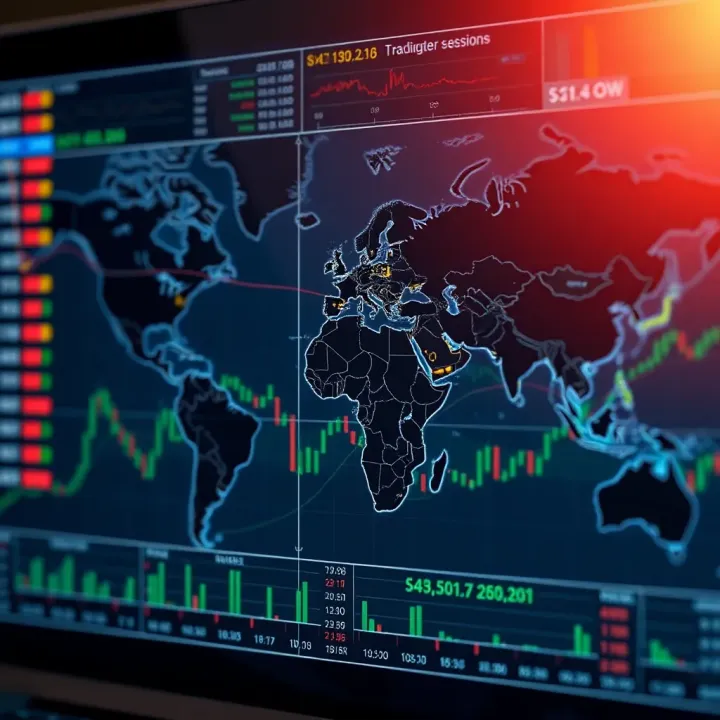
📊 Learn how global forex trading sessions align with South African time, plus get tips and downloadable PDF schedules for smarter trading decisions.

📈 Explore top forex trading seminars in South Africa! Learn benefits, key details, and legal tips to choose the best live forex events near you.
Based on 9 reviews