
Forex Trading Training Software: A Practical Guide
Learn how forex trading training software can boost your skills! Discover key features, avoid common pitfalls, and integrate tools for better trading results 📈💡
Edited By
Emily Saunders
Forex trading robot software automates currency pair trades by executing buy and sell orders based on pre-set algorithms. For South African traders, such software can cut down the time spent glued to screens, potentially making trading more consistent and less stressful.
These bots analyse market data in real-time and act faster than a human could, which comes in handy especially during volatile periods when the rand-dollar exchange rate swings unexpectedly. However, it's worth remembering that no forex robot guarantees profits — they are tools, not crystal balls.
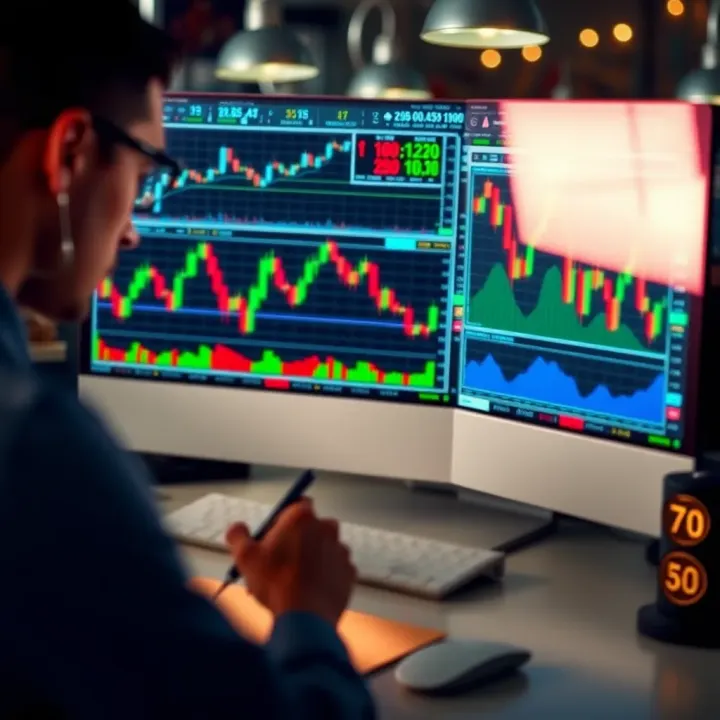
Most forex robots use technical indicators like moving averages or Relative Strength Index (RSI) to generate signals. For example, a robot might automatically buy the EUR/ZAR pair when it detects a certain pattern suggesting the euro will strengthen against the rand. Others use more complex strategies involving machine learning or historical data models, but even these require human oversight.
Remember: automated trading still demands careful selection, regular monitoring, and adjustments to the robot’s settings. Ignoring risk management could lead to significant losses.
South African traders should also consider local factors such as brokerage fees, spreads, and the impact of Eskom loadshedding on internet connectivity. Bots that rely on stable connections may falter during load-shedding stages, disrupting trades.
In this guide, we’ll break down what to look out for in forex trading robot software, how to evaluate its performance, and the pitfalls to avoid. If you’re thinking of using or investing in such robots, understanding their workings can help you make smarter choices aligned with your trading goals and risk tolerance.
To get started, knowing how these robots operate and recognising that no solution is one-size-fits-all sets the foundation for a more informed trading experience on Mzansi’s forex scene.
Forex trading robot software automates the process of buying and selling currencies in the forex market. For South African traders juggling other commitments or unable to monitor markets around the clock, this automation offers a practical solution. Instead of manually watching price charts and deciding when to enter or exit trades, the software makes those decisions based on pre-set rules and algorithms. This can lead to faster reaction times and can help minimise emotional decision-making, which often trips up new and experienced traders alike.
Such software is particularly relevant in South Africa's context, where local trading hours and time zone differences can cause traders to miss key opportunities in major markets like London or New York. For example, a South African trader can set up a robot to operate overnight while they rest or work their day job, ensuring they still benefit from volatile price moves.
Forex robots are computer programs designed to automate trading actions in the currency markets. They operate by scanning market data against a set of rules—usually based on technical indicators or price patterns—and then execute trades without human intervention. The purpose is to capitalise on trading opportunities systematically, removing the need for constant manual effort and mitigating human errors caused by fatigue or emotional bias.
For instance, a simple robot might buy euros against the US dollar when a moving average crossover signals an upward trend, then sell once another signal indicates a reversal. By sticking to such rules, the robot maintains discipline that humans sometimes struggle with, especially under pressure.
Automation takes the guesswork and second-guessing out of trading. Instead of making split-second decisions that might be clouded by fear or greed, the software applies consistent criteria every time. This consistency can help maintain a steady approach, particularly during volatile or fast-moving market periods.
Moreover, automation means the trader can monitor multiple currency pairs simultaneously without being overwhelmed. In manual trading, keeping tabs on a range of pairs across different sessions is tough; robots handle these calculations instantly and execute trades promptly. That said, it doesn't absolve traders from supervision but rather helps manage workload and potential for missed chances.
At their heart, forex robots run on algorithms—rule sets that determine when to buy, sell, or do nothing. These rules stem from specific trading strategies like trend following, scalping, or grid systems. For example, a robot using a trend-following algorithm might analyse moving averages and momentum indicators to decide if a trend is strong enough to enter a trade.
The effectiveness hinges on how well these strategies were coded and tested. Algorithms must be flexible enough to handle different market conditions yet precise enough to avoid overtrading or ignoring signals. South African traders should look for robots with transparent strategy details and robust backtesting across various market scenarios.
Forex robots typically run on popular trading platforms such as MetaTrader 4 or MetaTrader 5, which brokers in South Africa frequently support. Integration means the robot connects directly to the trader's account, receiving real-time market data and sending trade orders automatically.
This integration is vital because it ensures that signals generated by the algorithm translate quickly into executed trades. Delays or technical hiccups can affect profitability. For instance, if the robot signals a buy but can't reach the broker due to connection issues, it misses the window. Hence, checking compatibility and the quality of software updates is crucial before picking a robot.
Once the robot identifies a trading opportunity, it sends orders to the broker to open or close positions. It manages these orders per the strategy's rules, including setting stop losses, take profits, and trailing stops to control risk.
Good order management reduces the need for manual intervention and keeps trades aligned with the trader's risk appetite. For example, if a robot spots a favourable move but also risks pushing beyond a set loss threshold, it will close the trade automatically to protect capital. This disciplined approach is one of the reasons forex robots can appeal to traders who want controlled, rule-based trading rather than second-guessing each move.
Effective forex trading robots rely on clear algorithms, seamless platform integration, and disciplined order execution. For South African traders, understanding these aspects helps in picking software that genuinely supports their trading goals rather than complicates them.
Understanding the different types of forex trading robots is essential for South African traders aiming to automate their currency trades effectively. Each robot type uses distinct strategies tailored to specific market behaviours, risk profiles, and trading horizons. Picking the right robot depends on your goals, risk tolerance, and how much time you want to spend managing trades.
Trend-following robots aim to identify and ride the momentum of a market moving in a clear direction. They use technical indicators like moving averages or Relative Strength Index (RSI) to spot when a currency pair is showing strong upward or downward trends. For example, a trend-following robot might open a position when the 50-day moving average crosses above the 200-day average, signalling a bullish trend.
These robots work best in steady market conditions where trends persist over days or weeks. In South Africa, where forex markets can be volatile due to local economic factors and global events, trend-following can offer solid returns when markets avoid sudden shocks. However, during sideways or choppy periods, this strategy may generate false signals leading to losses.
Scalping robots focus on quick, short-term trades, often holding positions for minutes or even seconds to capture small price changes. They are programmed to execute many trades throughout a trading session, aiming to accumulate small profits rapidly. This technique suits traders looking for fast-paced action and who don’t mind juggling multiple trades at once.
That said, scalping carries higher transaction costs and requires tight spreads. It's also riskier because sudden market moves can wipe out small gains quickly. For South African traders, reliable internet and minimal latency are vital when using scalping robots to avoid slips or delays.
Grid and Martingale robots use more aggressive techniques. Grid robots place buy and sell orders at predetermined intervals above and below a price level, profiting from market fluctuations in either direction. Martingale robots double the trade size after a loss, aiming to recover losses and make a profit when the market turns.
While these methods can multiply gains in ranging markets, they carry significant risks. A strong, sustained move against the position, such as a sudden rand depreciation or economic shock, can cause heavy losses or blow out an account quickly. Most seasoned traders caution against using Martingale without strict risk controls.
These strategy types differ widely in risk-reward balance. Knowing how each fits your trading style and local market realities helps prevent unnecessary losses and boosts your chance of consistent profits.
Choosing the right robot means weighing its strategy against your comfort with risk, market conditions, and time available for monitoring. Whether it's following trends calmly, making rapid scalps, or managing complex grid trades, each robot offers a distinct way to approach the South African forex scene.
When considering forex trading robots, knowing their benefits and drawbacks helps South African traders decide if these tools fit their trading style and goals. Automated systems simplify tasks but also bring challenges that affect real-world performance, especially within Mzansi’s volatile markets and specific brokerage conditions.
Eliminating emotional bias is one of the key upsides of using forex trading robots. Human traders often struggle with fear or excitement, leading to rash decisions like prematurely closing a profit-making trade or holding onto a losing one too long. Robots stick to their programmed rules and analyse market data dispassionately. For instance, a trading bot operating on the EUR/ZAR pair won’t panic when a sudden spike hits; it executes orders based on logic, not sentiment. This can save you Rands otherwise lost due to emotional missteps.
Another major benefit is trading 24/7 without fatigue. Markets never take a break, especially with global forex pairs involving the rand. Humans cannot monitor trends around the clock, but a robot can work tirelessly, executing trades during off-hours or when you’re fast asleep. This continuous presence means you don’t miss opportunities during night shifts or weekends, common in forex trading. However, it’s wise to regularly check the robot’s activity to ensure it still aligns with your strategy and risk tolerance.
Despite these advantages, technical failures and glitches can hamper automated trading. Internet outages, software bugs, or server crashes might cause missed trades or incorrect orders. In South African conditions, where electricity supply issues like loadshedding are common, such disruptions can affect connectivity, causing the robot to lose sync with the broker’s platform. Without proper safeguards, losses can mount quickly before you intervene.
Then there’s the problem of market unpredictability challenges. Forex markets are influenced by news, geopolitical events, and sudden shifts—like SARB interest rate changes or political unrest—that algorithms may not anticipate. Trading systems rely on historical data and set parameters, so they sometimes react poorly to unexpected turbulence. For example, a robot designed for trending markets may fail badly during sideways or choppy conditions, resulting in losses. It’s essential to monitor your robot and adjust or pause it during unusual events.
Automated forex robots offer clear perks but also come with risks. Successful use requires understanding both sides and maintaining active oversight, especially under South African market realities.
In short, these tools can boost efficiency but should not replace all human judgement. Knowing their strengths and weaknesses helps you avoid being caught off guard and makes your forex trading journey more informed and prepared.
Choosing the right forex trading robot matters more than many realise, especially for South African traders who must navigate local market nuances, broker availability, and regulatory conditions. A reliable robot can boost trading efficiency and cut down manual effort, but a poor choice risks lost capital and wasted time. Understanding which features matter most and spotting dodgy software is key to staying ahead without falling into traps.
Backtesting lets you see how a robot would have performed using past market data. It doesn't guarantee future wins, but it highlights whether the algorithm has some merit. South African traders should look for robots that provide detailed backtest reports spanning different market conditions — for example, periods with volatility during SA economic announcements or global events. This shows robustness, not just a lucky streak on calm days.
Real performance data is even more valuable. Ideally, the robot’s past live trading records should be verified by third parties. Take note whether the numbers show consistent profits or just a few occasional windfalls. Beware robots that only showcase cherry-picked months of success without transparency. Real data helps you weigh risk and set realistic expectations for your bakkie-load of hard-earned rand.
Every market shifts, so a one-size-fits-all robot rarely keeps up. Good software offers ways to adjust trading settings, like risk levels, trade frequency, or the currency pairs it tackles. This lets you tailor the robot for your risk appetite and the specificities of South African forex brokers, which might have different spreads or execution times.
Customisation extends to pausing, stopping, or switching strategies quickly when the market swings or during Eskom loadshedding schedules affecting internet reliability. Being stuck with rigid settings means less control and more exposure to losses. The right robot is like a trusty steering wheel that lets you steer rather than one that drives blind.
If a forex robot promises fixed, sky-high returns with zero risk, it’s likely a trap. No software can predict the forex market perfectly, especially not under varying South African economic conditions. Look out for marketing that screams "guaranteed profits" or pressures you to buy immediately with phrases like "limited offer" or "secret strategy."
Another warning sign is lacking transparency—no clear info on the creators, no verified track records, or confusing tech speak that sounds impressive but explains little. Legitimate products provide solid, reasonable info people can verify.
Stay wary of robots that sound too good to be true. In forex trading, consistent, low-risk gains are rare, so avoid hype and focus on evidence.
A free or low-cost trial period is vital to test how a robot performs on your trading platform and broker setup without committing large sums. This lets you check for glitches, understand the control options, and see if it matches the claimed performance.
Reviews from other South African traders on forums or trusted websites give real-world insights. Experiences shared about software behaviour during loadshedding disruptions, broker compatibility, or customer service responsiveness can save you headaches and money.
Trying before buying and listening to fellow traders adds layers of safety in a market where scams and poor-quality software are unfortunately common.
Selecting the right forex robot takes a careful eye and some homework, but it pays off by helping South African traders beat market noise with smart automation — without losing their shirt.
For South African forex traders, getting started with trading robots isn't just about installing software—it's about setting up a reliable system that fits local trading conditions and regulations. With the quirks of the SA market, like the rand's volatility and the impact of Eskom loadshedding, a solid foundation is essential to ensure your robot runs effectively without unexpected interruptions.
Your forex robot depends heavily on the broker you connect it to. Compatibility means the broker's platform supports the robot’s software, usually MetaTrader 4 or 5. In South Africa, brokers like IG, HotForex, or ForexTime (FXTM) offer such platforms with standard APIs that make integration straightforward. Additionally, consider brokers regulated by the Financial Sector Conduct Authority (FSCA) to ensure compliance with local rules and safer trading conditions.
Beyond compatibility, look at execution speeds and spreads since these directly affect your robot’s performance. For instance, if your robot uses scalping strategies, the broker must allow such trading and provide low spreads to avoid eroding profits. It's also wise to account for deposit and withdrawal processes—some brokers handle rand accounts, which can save you foreign exchange fees.
Once you’ve got your broker sorted, the next step is installing your forex robot. Most robots come as Expert Advisors (EAs) for MetaTrader platforms. Installation generally involves dragging and dropping the .ex4 or .mq4 files into the MetaTrader Experts folder. That said, proper configuration is more than clicking "start". You need to adjust settings like lot size, stop-loss limits, and risk parameters based on your trading capital and risk appetite.
For example, if you start with a R10,000 trading account, setting your robot to risk 1% per trade might prevent bigger drawdowns. Also, configure the robot’s trading hours to avoid volatile periods like major economic announcements where your robot might not perform optimally. Don’t forget to test settings on a demo account first — this can save you from costly mistakes.
Even though robots automate trades, they aren’t "set and forget" gadgets. Regularly reviewing your trading logs and results helps catch issues early, such as unexpected losses or skipped trades. Ideally, check your robot's performance weekly, not just to track profits, but to ensure it's operating as intended.
If you notice frequent slippage or network delays, it might point to internet instability or broker server problems—especially relevant during stage 2 loadshedding when your power supply is shaky. In these cases, having a UPS or backup power options can keep your system running smoothly. Also, look for unusual activity, such as the robot entering trades outside configured parameters, which could signal a software glitch.
Market conditions in forex are never static; they change with geopolitical events, economic data releases, and even local developments like South Africa’s inflation reports or SARB’s repo rate adjustments. Your robot’s strategy needs occasional tuning to stay effective.
For instance, a trend-following robot might struggle in a sideways market. In such times, it might be better to reduce its trading frequency or switch strategies if your robot allows. Some traders prefer to pause automated trading during volatile periods like the budget speech week or when the rand weakens sharply, then resume once markets stabilise.
Regular tuning could involve adjusting parameters like take-profit levels or modifying stop-loss distances. This keeps your robot aligned with the market rhythm and helps preserve your capital over the long haul.
Automated trading doesn't mean hands-off trading. Successful use of forex robots depends on thoughtful setup, ongoing monitoring, and adapting to market shifts — especially in South Africa's unique trading environment.
In short, starting with forex robots requires careful broker selection, meticulous installation, and continued oversight. By following these practical steps, South African traders can better position themselves to use these tools wisely and avoid common pitfalls.
Learn how forex trading training software can boost your skills! Discover key features, avoid common pitfalls, and integrate tools for better trading results 📈💡
📈 Explore how free forex trading signals work, tips to spot reliable ones, and smart strategies for South African traders to boost success in forex markets.
Explore essential forex trading software tools for South African traders 🇿🇦. Learn about features, usability, security & broker integration tips for success 📈.
Discover top free forex trading software for South African traders! 📈 Learn benefits, features, security tips, installation help & trading best practices.
Based on 9 reviews