
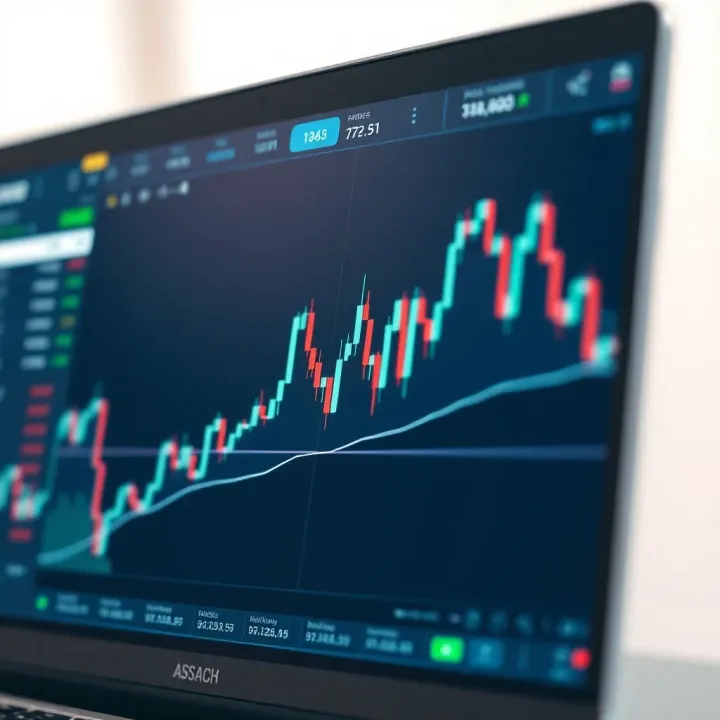
Free Forex Trading Courses for South Africans
📈 Explore free online forex trading courses tailored for South African traders. Learn key strategies, tools, and tips to kickstart your trading journey effectively 🌍
Edited By
Sophia King
Forex trading has steadily gained popularity in South Africa as more individuals look for ways to grow their income outside traditional investments. Yet, without a solid understanding of the markets, trading in foreign currencies can quickly become a risky venture. This is where online forex trading courses come in handy, offering structured learning tailored to the needs of South African traders.
Online courses provide flexible access to essential trading knowledge—from understanding currency pairs like the USD/ZAR to mastering technical analysis tools used on platforms such as MetaTrader or TradingView. South African traders benefit especially from courses that consider local contexts, such as the effects of Eskom loadshedding on trading hours or how the South African Reserve Bank’s interest rate decisions influence the rand.

Choosing the right forex trading course requires attention to several factors:
Content Relevance: Does the course cover fundamental and technical analysis, risk management, and trading psychology? South African traders should seek programmes that reflect local market peculiarities.
Regulatory Awareness: Learners should look for courses that address compliance with South African financial regulations, such as the Financial Sector Conduct Authority (FSCA) guidelines.
Practical Application: Good courses include live trading demonstrations, simulation exercises, or access to demo accounts with brokers like EasyEquities or IG Markets.
Starting your forex education with a course designed specifically for South African conditions can save time and reduce costly mistakes.
Most courses range from beginner-friendly introductions to advanced strategy sessions. Costs vary widely—some free courses offer solid basics, while comprehensive paid programmes can cost several thousand rand. Many providers also offer certificates that could boost credibility when dealing with brokers.
In this guide, we will explore how to identify valuable forex courses online, what key topics to expect, and practical tips to help you trade more confidently and responsibly in the South African forex market.
Getting to grips with what online forex trading courses actually offer is the first step for any South African trader looking to build solid foundations in the market. These courses cover everything from the basics of currency pairs to complex trading strategies and risk management, giving learners a comprehensive toolset to make informed decisions. In a fast-moving world where market conditions shift quickly, knowing exactly what to expect from a course helps avoid wasted time and resources.
Most courses start with the fundamentals—introducing currency pairs, how the forex market operates, and the key players involved, such as banks, brokers, and retail traders. They then dive into essential skills like technical analysis (spotting chart patterns, using indicators), fundamental analysis (interpreting economic news and data), and risk management (setting stop losses, managing position sizes).
For example, a South African learner might explore how the rand performs against the US dollar or euro under different economic scenarios, making these core topics directly relevant to local trading contexts.
These courses come in various shapes: video lectures, live webinars, downloadable PDFs, interactive quizzes, and even one-on-one coaching sessions. This mix suits different learning styles, whether you prefer pausing and rewatching videos or engaging live with experts to ask questions.
Platforms typically allow you to learn at your own pace, which is handy if you're balancing a job or other commitments. Plus, some providers offer mobile-friendly content, making it easier to squeeze in study sessions during your daily commute or tea breaks.
Whether you're a total beginner or already have some market experience, there are courses designed just for you. Entry-level programmes focus on basics, ensuring you understand terminology and market mechanics before moving further.
Meanwhile, intermediate and advanced courses often target specific strategies like swing trading, scalping, or using automated tools. This tiered approach means you don’t waste time on stuff you already know, but rather build progressively.
Online forex courses offer flexibility that traditional classroom settings rarely can. You decide when and how long to study, fitting lessons around work, family, or other activities. For South Africans facing variable schedules or even load shedding interruptions, being able to pause and resume learning without missing out is a big plus.
This flexible format also lets you revisit complex topics as often as needed. For instance, if the section on risk management doesn’t click on first go, you can watch it again at your own pace without feeling rushed.
Good online courses give you more than just raw content; many include access to seasoned traders and mentors who can clarify doubts or share insights based on real trading experience. This kind of support is invaluable to avoid common pitfalls and accelerate your progress.
For example, an online course might offer regular Q&A webinars or a private chat group where you can discuss strategies and market developments with instructors and fellow learners, enriching your understanding beyond just theory.
Face-to-face forex training sessions can be pricey, often costing thousands of rands when factoring venue hire, materials, and instructor fees. Online courses generally come at a fraction of that cost, sometimes even free for basic levels, without sacrificing quality.
Plus, you save on transport costs and time, which can quickly add up when attending in-person classes. Given the frequent exchange rate fluctuations affecting imported educational services, settling for a local or regionally priced online course can make learning more affordable and relevant.
Choosing the right online forex trading course means balancing the content quality, learning convenience, expert support, and cost — all vital when investing time and money into your trading journey.
Choosing the right forex trading course is vital, especially for South African traders aiming to navigate both global markets and local conditions effectively. Several factors should influence your decision—course provider reliability, content relevance, and ongoing support all play a role in your learning outcome and eventual trading success.
Reputation of training provider
A credible training provider often reflects experience and trustworthiness within the forex community. Look for courses offered by well-known financial education firms or reputable traders with proven track records. For example, a course backed by a company registered with the Financial Sector Conduct Authority (FSCA) adds an extra layer of assurance. Avoid providers that promise unrealistic guarantees or lack verifiable credentials.
Reviews and endorsements
Reading reviews from previous students can reveal the course’s strengths and weaknesses. Platforms like Google Reviews, Trustpilot, or specialised South African trading forums can offer honest feedback. Endorsements from respected traders or financial educators also help determine value; their approval suggests the course delivers practical skill rather than just theory.
Technical and fundamental analysis
A good course must cover core analysis techniques. Technical analysis involves studying charts, recognising price patterns, and applying indicators like RSI or MACD. Fundamental analysis, on the other hand, examines economic events and macro data such as interest rates or GDP figures. Both are necessary for making informed trading decisions. For instance, understanding how South African Reserve Bank (SARB) policy changes affect the rand is crucial for local traders.
Risk and money management modules
Managing risk is what separates successful traders from reckless ones. Courses should teach how to set stop losses, calculate position sizes, and manage leverage responsibly. Practical lessons might include risk-reward ratios or using demo accounts to practice limiting losses, which is especially important when starting out on South Africa’s volatile forex market.
Access to mentors and tutors
Direct access to mentors or tutors provides personalised guidance and quicker problem-solving. Mentors can help interpret market moves or give feedback on trading plans. This one-on-one support often makes the difference between giving up and mastering trading skills.
Peer discussion forums and webinars
Being part of an active trading community can improve learning through shared experiences. Forums allow you to ask questions, discuss strategies, and get insights into how others handle South African-specific issues like exchange controls or market hours. Regular webinars keep learners updated on current trends and allow real-time interaction with experts.
Selecting a forex course isn’t just about content—it's about the whole learning environment. Choosing one with credible accreditation, relevant practical lessons, and strong support networks will equip you better for the realities of the South African forex market.
By weighing these elements carefully, you’ll avoid costly mistakes and gain a clearer pathway to becoming a confident trader.
Mastering key forex trading concepts is essential for anyone serious about trading, especially in South Africa’s unique market environment. Online courses break down these fundamentals to give you a solid foundation, ensuring you can trade with confidence rather than guesswork. Let’s look at the main building blocks.
Currency pairs and quotes lie at the heart of forex trading. Currencies are always traded in pairs, like the USD/ZAR (US Dollar to South African Rand). The first currency is the base, the second is the quote. For example, if USD/ZAR is quoted at 15.50, it means one US Dollar equals 15.50 Rand. This is not just jargon — understanding these pairs helps you know what you’re buying or selling and how your position moves with market swings.
Knowing the currency pairs relevant to South African traders is especially useful. Besides USD/ZAR, pairs like EUR/ZAR or GBP/ZAR are popular because international trade and investment affect them. Courses often teach how to interpret bid and ask prices, and why spreads matter — these subtle details can make a big difference once you start live trading.
Market participants include everyone from multinational banks and hedge funds to individual retail traders like yourself. Big players move the markets, but knowing who they are and why they act helps with timing trades and spotting trends. For example, the South African Reserve Bank’s monetary policy decisions can influence Rand value, affecting your trades. Courses explain the roles of central banks, commercial banks, brokers, hedge funds, and retail traders so you get the full picture.
Technical indicators and chart patterns form the backbone of many trading strategies. Indicators like the Relative Strength Index (RSI) and Moving Averages help you spot market momentum, overbought or oversold conditions, and potential reversals. Chart patterns such as head and shoulders or double bottoms serve as visual clues to predict price movements.
Courses teach how to combine these tools practically. For instance, using RSI to confirm a trend visible in price charts may reduce risky trades. The South African environment, with its data affected by commodity prices and exchange controls, means these tools can’t be used in isolation but as part of a broader strategy.
Fundamental analysis overview complements technical methods by examining economic indicators, news, and political events that influence currency values. South African traders must pay attention to things like GDP growth, mining output reports, and Eskom’s load shedding news, as these affect the Rand.
An online course will typically explain how to monitor such data sources and interpret their potential impact on forex markets. Understanding this helps traders anticipate market moves beyond charts and technical signals alone.
Setting stop losses and take profits is about managing your exposure. A stop loss is a predetermined point where your trade will automatically close to prevent further losses, while a take profit marks the level at which you bank profits. For example, if you buy USD/ZAR at 15.50, you might set a stop loss at 15.30 to limit losses and a take profit at 15.80 to exit with gains once your target is reached.
Risk management keeps traders disciplined and protects hard-earned capital. Online cursos show step-by-step how to set these levels according to your trading plan, reducing emotional decision-making.
Position sizing refers to the size of your trade relative to your total capital. Instead of risking random amounts, courses teach you to calculate size based on your risk tolerance (say 1-2% of your account per trade). For example, if you have R10,000 in your trading account and your stop loss is 200 pips, position sizing helps you decide how many units to trade so you risk only R200.
This principle keeps a lid on losses during losing streaks and ensures long-term survival. Many beginners overlook this and risk too much, wiping out accounts quickly. Courses emphasise position sizing as a central skill for steady progress.
Solid knowledge of these trading concepts lets you move from dreaming about profits to planning and executing trades intelligently. The practical applications in South African conditions, from currency pair selection to risk control, build the confidence needed to face live market challenges.
Applying what you learn from forex trading courses takes on particular importance when trading from South Africa. The local market conditions, regulatory environment, and cost structures make it vital to tailor your approach with relevant knowledge, not just generic trading principles. For example, platforms popular abroad might not be best suited here due to funding or withdrawal restrictions. Plus, understanding tax implications on forex gains can save you trouble with SARS.
South African traders can choose between local brokers regulated by the Financial Sector Conduct Authority (FSCA) and international brokers that accept clients here. Local brokers such as 27four or Silver Bull offer the advantage of easier deposits and withdrawals via South African banking systems, reducing delays and extra fees. Meanwhile, international brokers often provide a wider range of currency pairs and trading tools but may have stricter Know Your Client (KYC) processes under South African laws.
When picking a broker, it’s practical to consider your priorities: ease of payouts, security, platform features, and costs. For instance, using a local broker might avoid complications in converting rands to US dollars, which international brokers typically require.
Good trading platforms should offer reliable charts, technical analysis tools, and fast execution speeds. For South African traders, access to mobile apps is crucial due to data costs and the need for flexibility during loadshedding or when on the move. Features like integrated economic calendars with South African and global events can aid in planning trades around market volatility.
Some platforms extend demo accounts for practising risk-free trading, which is essential irrespective of your experience level. Features like automated trading options or customisable alerts may also add value for traders looking to refine their strategies over time.
The South African Reserve Bank (SARB) imposes controls on foreign exchange to manage rand volatility and capital flows. While personal trading is generally permitted, any substantial transfers abroad may require reporting or limit exceptions. SARB also monitors forex dealings to prevent illicit capital flight.
Traders should ensure their chosen broker complies with these regulations and that your transactions can be properly documented. Ignoring SARB rules can lead to blocked funds or fines, which is a risk not worth taking.
Profits from forex trading are taxable under South African law, typically treated as either capital gains or income, depending on whether forex trading is a hobby or a business. SARS expects traders to declare and pay tax on their earnings, including profits from leveraged trades.
Keeping clear records of all trades, costs, and withdrawals helps when submitting tax returns. Seeking advice from a tax professional familiar with forex trading nuances can make a difference. Remember, failure to report forex income correctly could attract penalties or audits down the line.
Trading costs can erode profits more than many realise. Spread—the difference between buy and sell prices—varies by broker and currency pair, while commissions are fixed charges per trade. South African traders should compare these costs closely, especially with brokers offering low spreads but high commissions or vice versa.
Being aware of overnight fees (swap rates) and additional charges like inactivity fees also affects net profitability. Sometimes a broker with slightly higher spreads but transparent pricing and local banking options proves cheaper in the long run.
The forex space attracts unscrupulous operators promising unrealistic returns. Many scams target South African traders by offering fake platforms or unregistered services, sometimes posing as well-known global brokers.
Always verify a broker's FSCA registration, reviews, and customer feedback before committing funds. Being cautious helps avoid losing capital to fraudulent schemes. If a deal looks too good to be true or a broker pressures you to deposit quickly, those are red flags.
South African traders must adapt forex course knowledge to local conditions. Choosing the right platform, understanding regulations, and managing costs smartly all protect your capital and enhance your chance of success.
To really gain from online forex trading courses, you need to approach learning strategically. Traders often get overwhelmed with information but fall short when applying it in real market conditions. Maximising success means blending structured study, hands-on practice, and continuous engagement with the trading community.
Setting goals and timelines helps keep you accountable and focused. For example, you might decide to complete a beginner’s course within four weeks before moving to more advanced topics. Deadlines prevent procrastination and allow you to measure progress. Setting clear goals such as mastering technical indicators or risk management strategies ensures your efforts are purposeful.
Combining theory with practice means not just reading or watching lectures but actively trading or simulating trades based on the lessons learned. For instance, after learning about support and resistance levels, you could analyse charts to identify these before placing trades in a demo account. This hands-on approach builds confidence and helps embed the concepts into your trading routine.
Benefits of simulated trading include risk-free learning, where you can experiment with strategies and familiarise yourself with platform functions without losing real money. South African traders, for instance, can use demo accounts on local brokers like ET Finance or international brokers with a South African presence. This safe environment allows learning from mistakes and understanding market behaviour.
Transitioning to live trading should be gradual. Start with small amounts or micro-lots once comfortable with demo conditions. Real-money trading introduces emotional factors, such as fear and greed, which demo accounts don’t replicate fully. A cautious start helps you adjust, build discipline, and better manage your capital.
Staying updated with market news is essential as forex markets react swiftly to global and local events. Use trusted sources like Bloomberg, Reuters, or South African financial news platforms to keep track. For example, changes in SARB’s repo rate or unexpected loadshedding announcements can unsettle the rand, affecting your trades.
Networking with other traders exposes you to diverse viewpoints and shared experiences. Engaging in forums, social media groups, or local meetups helps you pick up tips, discuss strategies, and even spot scams early. South African trading communities online can offer insights tailored to your market circumstances, which is invaluable.
Trade success doesn’t come from theory alone—it’s about practising, staying informed, and being involved with others who share your trading journey.
By following these steps, you can make your online forex trading course experience more productive and set yourself up for steady improvement in your trading career.
📈 Explore free online forex trading courses tailored for South African traders. Learn key strategies, tools, and tips to kickstart your trading journey effectively 🌍

Explore free forex trading opportunities in South Africa 🌍 including demo accounts, learning tools, and tips to trade without upfront investment safely and smartly.

Discover tailored forex trading strategies for South African traders 🇿🇦. Learn foundational tactics, advanced methods, and smart risk management to boost your trading game. 💹💡

📊 Learn how global forex trading sessions align with South African time, plus get tips and downloadable PDF schedules for smarter trading decisions.
Based on 7 reviews