
Free Forex Trading Options in South Africa
Explore free forex trading opportunities in South Africa 🌍 including demo accounts, learning tools, and tips to trade without upfront investment safely and smartly.
Edited By
Henry Walker
Forex trading involves buying and selling currencies against one another in a global marketplace. For South Africans, the foreign exchange market represents an opportunity to profit from changes in currency values, but it comes with risks that require understanding and caution.
The forex market operates 24 hours a day, five days a week, covering major centres from Sydney to New York. Its vast daily turnover, which exceeds $6 trillion globally, ensures liquidity — meaning you can quickly enter or exit positions. Unlike shares on the JSE, forex trades in pairs, such as USD/ZAR or EUR/USD, where the first currency is bought or sold against the second.
Before jumping in, South African traders need to grasp key concepts like "pips" (the smallest price movement), leverage (trading on borrowed capital), and spreads (the cost between buying and selling prices). These factors can multiply returns but also increase losses if not managed wisely.
Opening a forex account with a licensed broker authorised by the FSCA (Financial Sector Conduct Authority) is the first practical step. Brokers like IG, Plus500, or EasyEquities offer platforms suitable for beginners, with demo accounts to practise without risking real money. Depositing funds usually happens through local bank transfers or card payments, with some brokers accepting ZAR directly.
Trading forex isn’t about quick riches; it demands discipline and a firm grip on risk. You should never trade with money you can’t afford to lose.
Managing risk is crucial. South African traders often face the challenge of rand volatility influenced by local factors like load shedding, political developments, or commodity prices. Using stop-loss orders to limit potential losses and starting with small positions reduces exposure.
Finally, monitoring economic indicators—such as South African GDP figures, interest rate decisions by the South African Reserve Bank (SARB), and global events impacting commodities—helps anticipate currency movements more effectively.
To sum up, forex trading in South Africa requires a solid understanding of market mechanics, selecting a trustworthy broker, and practising prudent risk management. This foundation will form your path to trading smarter and safer.
To get a good grip on forex trading, you first need to understand how the market itself functions. The forex (foreign exchange) market is where currencies are bought and sold, and it’s the largest financial market worldwide, with daily turnover often exceeding $6 trillion. In simple terms, forex trading involves exchanging one currency for another, aiming to profit from fluctuations in exchange rates.
Forex trading is not like buying shares in a company; instead, it revolves around currency pairs. Traders speculate whether a currency will strengthen or weaken against another. When you buy a currency pair, such as EUR/ZAR (Euro/South African Rand), you’re betting that the euro will increase in value relative to the rand. Conversely, selling the pair means you expect the rand to strengthen against the euro. This approach allows for opportunities regardless of market direction but comes with associated risks.
Major currency pairs involve the most frequently traded and liquid currencies globally, often paired with the US dollar. Examples include EUR/USD, GBP/USD, and USD/JPY. These pairs tend to offer tighter spreads, meaning lower trading costs, which is why many beginners and professional traders prefer them. For South African traders, pairs involving the rand, such as USD/ZAR and EUR/ZAR, are popular but classified as minor pairs. These pairs can have wider spreads due to less liquidity but provide direct exposure to local currency movements.
Each currency pair consists of two parts: the base currency and the quote currency. The base currency is the first currency listed, and it represents the unit you buy or sell. The quote currency is the second one and shows the price of a single unit of the base currency in terms of the quote currency. For instance, if EUR/ZAR is at 20.15, it means one euro costs 20.15 rand. Understanding this helps you calculate profits and losses correctly, as any movement affects your position relative to the base currency.
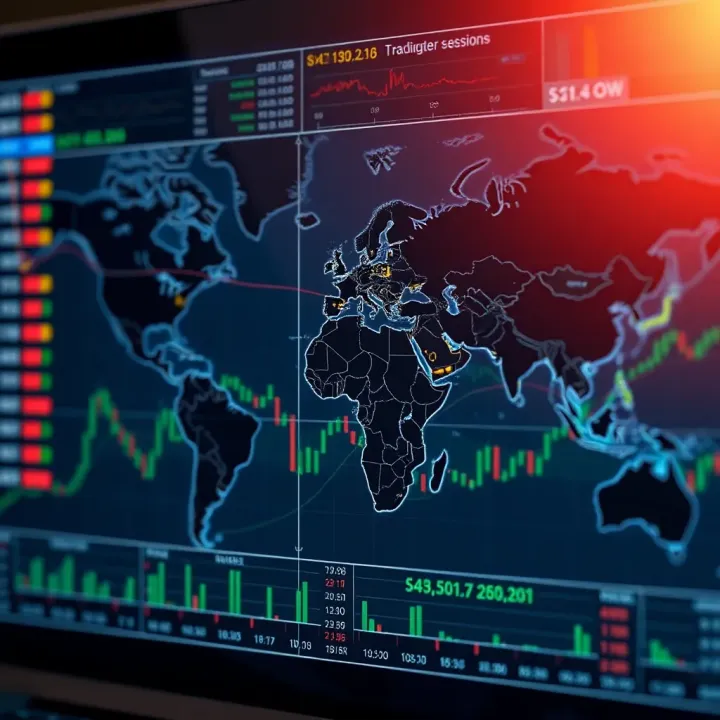
The forex market operates 24 hours a day across different time zones, divided into four main sessions: Sydney, Tokyo, London, and New York. Liquidity—how easily currencies can be bought or sold—is highest when sessions overlap, notably between London and New York. For South African traders, this usually falls between 3 pm and 11 pm SAST, making it the most active and cost-effective time to trade. Awareness of market hours helps manage risk and choose moments when spreads are narrower.
Successful forex trading starts with knowing the market landscape—what drives currency values, when to trade, and how currency pairs work. This foundation lets you make educated decisions rather than guesswork.
By grasping these essentials, South African traders can approach forex with a practical understanding of what’s happening behind the numbers and charts. It sets the stage for more informed strategies down the line.
Grasping the core terms and ideas in forex trading is essential for anyone stepping onto this fast-moving market. Without a solid grasp of these basics, it’s easy to get overwhelmed or make costly mistakes. Understanding key concepts like leverage, margin, pips, and spreads will help you place smarter trades and manage your risks.
Leverage lets you control a larger position than the money you actually have in your trading account. For example, a leverage ratio of 100:1 means with R1,000 in your account, you can trade up to R100,000 worth of currency. This might sound like a perfect way to boost profits, but it also magnifies losses. If the trade goes against you, your losses can quickly exceed your initial deposit.

Margin refers to the amount of money you need to put down as a deposit to open a leveraged position. It’s like a security bond held by the broker while your trade is active. If your position moves unfavourably and your losses reach a certain threshold, the broker may issue a margin call, requiring you to add funds or close the trade to limit further losses.
In forex trading, a pip is the smallest unit that a currency price can change by. For most currency pairs, one pip equals 0.0001, or one-hundredth of one percent. For instance, if the EUR/USD pair moves from 1.1500 to 1.1505, that’s a five-pip move.
The spread is the difference between the buying (bid) and selling (ask) price for a currency pair. It represents the broker’s fee or the cost of entering a trade. Spreads can be fixed or variable and generally widen during volatile market conditions. Traders must account for the spread since you start a trade at a small loss equal to the spread amount.
Selecting a broker regulated by the Financial Sector Conduct Authority (FSCA) is vital for protection. FSCA regulation requires brokers to meet certain standards, including client fund segregation and transparent pricing. This reduces the risk of scams, which unfortunately persist in the forex market. An FSCA-approved broker also provides legal recourse should disputes arise.
Many local brokers offer accounts in South African Rand, making deposits and withdrawals smoother while avoiding currency conversion costs. Look out for brokers with good reputations, fair spreads, and clear terms of service.
User-friendly platforms such as MetaTrader 4 (MT4) and MetaTrader 5 (MT5) are popular choices among new traders in South Africa. They offer essential tools like charting, indicators, and automated trading options without overwhelming complexity.
Some brokers provide proprietary platforms or mobile apps with localised features tailored to South African traders, including integration with local payment methods like EFT, SnapScan or Zapper. Trying demo accounts on these platforms first can help you get comfortable before risking real money.
Getting familiar with these terms and tools builds a strong foundation and sets you up for smarter, more confident trading right from the start.
Getting started with forex trading in South Africa involves a few clear steps that anyone serious about entering the market must know. It’s not just about opening an account and clicking buy or sell; there are important requirements and local considerations to keep in mind to trade safely and effectively. From setting up your account to placing your first trade, understanding these steps will help you avoid common pitfalls and give you a solid footing.
First off, to start trading forex, you need to open a trading account with a reputable broker. In South Africa, regulation by the Financial Sector Conduct Authority (FSCA) is key. Brokers regulated locally must comply with identification rules that align with the Financial Intelligence Centre Act (FICA). This means you’ll need to submit proof of identity, such as a South African ID or passport, and proof of address – usually a recent utility bill or bank statement. These checks help protect you from fraud and money laundering.
Getting these documents ready ahead of time streamlines your application. A quick example: If you try registering with a local broker like IG or Plus500, they’ll typically request these during account setup, and delays in submission can hold up funding your account.
Once verified, you’ll want to put money into your trading account. Thankfully, most brokers offer several payment options tailored to South African traders, including EFT (electronic funds transfer) through local banks like FNB or Standard Bank, and sometimes even Instant EFT for faster deposits. Credit or debit cards are also accepted, but they may come with additional fees or conversion charges.
Keep in mind that some international brokers might accept PayPal or Skrill but may not offer direct Rand account deposits. Using local bank transfers avoids costly exchange fees and speeds up the process, so always check your broker’s supported payment methods carefully.
Before putting real money on the line, it’s wise to familiarise yourself with forex trading using a demo account. These free practice accounts use virtual money but mirror live market conditions, allowing you to test strategies and get comfortable with the trading platform. For instance, you can explore how to set stop-loss orders or try out trading currency pairs like USD/ZAR without worrying about losses. Many South African brokers like CM Trading or HotForex provide demo accounts for beginners.
Using a demo account removes the pressure of real financial risk and builds your confidence, helping you avoid costly rookie mistakes.
When you’re ready to go live, start small. Select a currency pair you understand – like EUR/USD or ZAR/USD – and decide whether you think the base currency will strengthen or weaken against the quote currency. You’ll need to specify the amount (lot size) and set risk management parameters like stop-loss and take-profit levels.
Most trading platforms offer straightforward interfaces where you can monitor your trades in real time. Start with a modest stake, observe market movements, and learn from how your trade performs. This gradual step eases you into the rhythm of forex trading and helps keep losses manageable.
Remember, trading forex is a marathon, not a sprint. Setting up properly with the right documents, practising first, and cautiously entering the market will stand you in good stead as you grow your trading skills in South Africa.
Understanding the risks inherent in forex trading is vital before putting your money on the line. Without a clear grasp of potential pitfalls and a solid plan to manage them, even the best strategies can lead to losses. South African traders, in particular, need to be wary of factors like market volatility, high leverage, and unscrupulous brokers, which can quickly erode capital.
Market volatility refers to the frequent and often sharp price swings in currency markets. Unlike stocks or bonds, forex markets can change direction multiple times a day due to events such as geopolitical tensions, economic data releases, or sudden policy changes. For example, during unstable times like the COVID-19 pandemic, the rand experienced considerable ups and downs against the US dollar. This kind of volatility can lead to unexpected losses if traders are not prepared or do not adjust their strategies accordingly.
Leverage hazards arise because forex brokers commonly offer high leverage, sometimes up to 1:500. This means you can control a large position with a small deposit. While this magnifies profits, it also amplifies losses dramatically. If a trade moves against you, your losses can quickly exceed the initial margin, leading to margin calls or even account closure. South African traders should start with lower leverage, such as 1:10 or 1:20, to reduce risk and gain experience without exposure to excessive danger.
Scams and unregulated brokers pose a serious threat to new forex traders. The industry attracts fraudsters who promise guaranteed returns or insider tips but end up stealing funds or manipulating trades. It is crucial to use brokers regulated by recognised authorities—South African traders should look for licences from the Financial Sector Conduct Authority (FSCA). Avoid brokers that operate outside these rules or pressure you into making deposits quickly.
Setting stop-loss orders is a simple yet effective way to limit losses on any trade. You specify a price level where your position will automatically close if the market moves against you. For instance, if you buy the EUR/ZAR at 18.00 and set a stop-loss at 17.80, your loss is capped at 20 cents per euro, preventing a bad trade from wiping out your account. This helps guard against emotional decision-making during fast market moves.
Diversifying your trades means spreading your risk across different currency pairs rather than betting everything on one. This approach can smooth out the impact of sharp moves in any single pair. For example, if you hold positions in USD/ZAR, EUR/USD, and GBP/USD, a drop in the rand might be offset partially by gains in other pairs. Diversification reduces the risk of severe losses but requires managing several trades actively.
Using demo accounts to test strategies provides a risk-free environment to understand how trades work and refine your approach. South African brokers usually offer demo accounts with virtual money. This lets you get familiar with order types, test your setups against real market movements, and learn about the platform without risking Randelos. Practising on a demo account builds confidence and highlights weaknesses before real money goes in.
Managing risk isn't about avoiding losses altogether but controlling them so that trading remains sustainable and less stressful.
Applying these risk assessment and management principles strengthens your chances of success in forex trading. It’s not just about chasing profits—it’s about protecting what you put in and trading smartly in an often unpredictable market.
Starting out in forex trading requires not only understanding the market basics but also practical know-how tailored to the South African context. These tips can help you navigate local market conditions, manage your investments wisely, and avoid common pitfalls.
Forex markets respond quickly to events worldwide. For South African traders, keeping an eye on international economic indicators like the US Federal Reserve’s interest decisions or the European Central Bank’s policies is essential, as they directly impact currency values. Locally, factors like changes in SARB’s repo rate, political developments, or Eskom’s loadshedding announcements can cause noticeable fluctuations in the rand.
Make it a habit to follow reputable news sources such as BusinessTech, Moneyweb, and even MyBroadband for market updates. Using reliable economic calendars can also help you track key events. For example, if SARB announces an unexpected rate hike, the ZAR might strengthen against other currencies, presenting trading opportunities or risks you’ll want to act on swiftly.
Forex trading carries real risks, and it’s crucial never to stake money you can’t afford to lose. Treat forex as a speculative activity, separate from your essential household expenses or emergency funds. For instance, don’t use your bond or car payments as trading capital.
Set a clear budget for trading — say, R5,000 initially — and stick to it. Avoid chasing losses or adding extra funds when under pressure. Keep detailed records of your trades to monitor performance and prevent overspending. This disciplined approach prevents trading from negatively impacting your personal finances and ensures you stay within safe limits.
While self-education and demo accounts provide a good foundation, the forex market can become complex fast. If you encounter persistent losses, technical issues, or just feel unsure about your strategy, consulting a professional financial adviser or licensed forex broker in South Africa is wise.
Professionals can offer insights into tax implications, risk management, and legal compliance under local regulations like the Financial Sector Conduct Authority (FSCA). For example, an adviser can help you understand how to declare profits or losses on your tax return properly. Don’t hesitate to ask questions or get a second opinion before making significant moves.
Staying informed, managing your money neatly, and seeking advice when necessary will make the difference between sporadic success and sustainable growth in forex trading.
In short, adopting these practical tips helps you stay grounded, confident, and ready to adjust as the forex landscape shifts. They’re vital steps for any South African trader aiming for long-term results without unnecessary risks.
Explore free forex trading opportunities in South Africa 🌍 including demo accounts, learning tools, and tips to trade without upfront investment safely and smartly.
Discover tailored forex trading strategies for South African traders 🇿🇦. Learn foundational tactics, advanced methods, and smart risk management to boost your trading game. 💹💡
📊 Learn how global forex trading sessions align with South African time, plus get tips and downloadable PDF schedules for smarter trading decisions.

📈 Explore top forex trading seminars in South Africa! Learn benefits, key details, and legal tips to choose the best live forex events near you.
Based on 10 reviews