
Forex Trading Basics for South African Traders
📈 Master forex trading basics designed for South African traders. Understand market mechanics, key terms, analysis, risk strategies, and get hands-on tips.
Edited By
Sophia Green
Forex trading can be a tricky field to enter, especially with the fast-moving and sometimes volatile currency markets. For South African traders, using a forex trading app demo is a smart first step before risking real Rands. These demo accounts simulate market conditions without exposing you to financial loss, giving you a chance to test strategies, understand platform tools, and build confidence.
A forex trading app demo works by replicating live trading environments with virtual money. This means you can place trades, monitor currency pairs like USD/ZAR or EUR/ZAR, and explore technical indicators using real-time or delayed data. The key is that no real money changes hands, so you can experiment freely.

Using a demo account helps traders avoid costly mistakes that often happen when trading blind. It’s like practising your set pieces before a big rugby match—getting the timing and tactics right without the pressure.
For South Africans, demo accounts aren’t just practice; they’re a way to navigate factors unique to our market. For example, fluctuating petrol prices and the rand’s sensitivity to global events can impact forex moves. A demo lets you see these dynamics in play and how external events influence currency trading.
When choosing a forex demo app, consider:
Data accuracy and update speed: Access to live or near-live feed matters since delays can misrepresent prices.
Available currency pairs: Look for offerings including ZAR pairs and major global currencies.
User-friendly interface: A clean, easily navigable platform reduces learning curves.
Analytical tools: Charting options, technical indicators, and news feeds are essential for informed decisions.
Cost and trial duration: Most demos are free, but check if there’s a time or trade limit.
Using a demo account effectively requires more than clicking around. Set clear goals, like practising specific strategies or mastering stop-loss orders. Keep a trading journal even in simulation to track what works and what doesn’t. This approach prepares you better for the psychological pressures of live trades.
In essence, forex trading app demos act as a rehearsal space. They offer practical insight into currency markets without risking Rands, helping South African traders gain skills, refine tactics, and choose the right trading app before moving to live accounts.
Understanding how forex trading app demos operate is key for anyone wanting to sharpen their skills without risking real money. These demos give you a taste of trading by providing a simulated environment that mimics the live forex market, letting you practise strategies and familiarise yourself with trading platforms.
A forex trading demo account is a virtual account that brokers or trading app providers offer for free. It lets you trade with fake money while the app uses real-time market data. This means you can test your decisions without any actual financial risk. For example, a South African trader using a demo on an app like AvaTrade or Plus500 can place orders and see how their trades would perform in real market conditions, but without the worry of losing R10,000 they don’t actually have.
Demo accounts usually come with the same interface and tools as live accounts, including charts, indicators, and news feeds. This helps users get used to the app’s features before they commit real cash. Plus, it’s an excellent way to practise managing orders, stop-loss limits, and take-profit targets.
While demo accounts simulate real market prices and conditions closely, there are some differences worth noting. For one, the emotional pressure of trading on demo funds differs from live trading; real money on the line often triggers stronger reactions than fake cash. This can affect decision-making.
Moreover, demo environments may not always capture issues like slippage, latency, or liquidity constraints that come with live trading. For example, during volatile periods when the rand is erratic against the dollar, live trades might experience sudden price jumps or delays that a demo won’t fully replicate.
That said, demos do offer real-time quotes and fundamental market data, so you get a genuine sense of price movements and trends. This hands-on exposure is especially useful for South African traders dealing with market quirks like overnight spreads or unexpected Eskom load-shedding impacts that might shift currency pairs.
Using a demo account is like driving a car on a simulator before hitting the busy roads of Johannesburg – it won’t be the exact same experience, but it prepares you well, lowering costly mistakes.
In summary:
Demo accounts provide risk-free practice with virtual money using real-time market data
They feature the same tools and interface as live trading apps
Emotional and technical differences exist between simulated and real trading
Getting comfortable with how these demos work builds confidence and readiness for actual forex trading. By testing your skills under close-to-real conditions, you reduce the learning curve and guard your Rand when you move to live trades.
South African traders, whether just starting or looking to sharpen their forex skills, can benefit significantly from using demo trading apps. These platforms simulate real market conditions without risking actual money. This safety net helps to build confidence and understanding before committing any real Rand.
A demo account offers beginners a playground without the pressure of losing hard-earned cash. Imagine a young South African school leaver excited about entering forex, but unsure how trades work. With a demo account, they can explore entering orders, watching how currency pairs react to global news, and managing virtual capital. This trial-and-error process is crucial, especially with the volatile nature of forex markets influenced by factors like the SARB's (South African Reserve Bank) interest rate changes or geopolitical movements.
Practising without financial risk allows novices to make mistakes, learn, and grow without the sting of loss disrupting their learning curve.
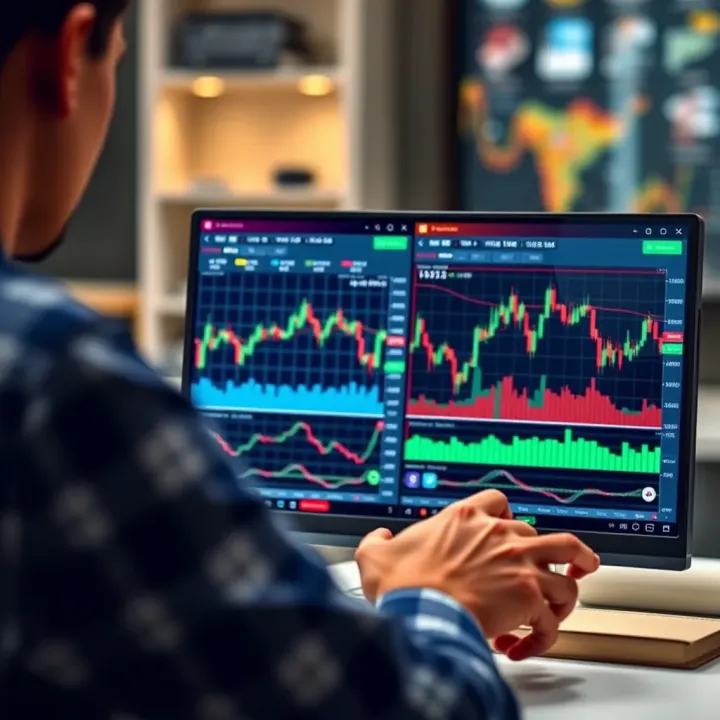
Experienced traders also find value in demo apps by running different strategies. For instance, a local trader might want to test how a momentum-based strategy performs against ZAR/USD or EUR/ZAR pairs during periods of Eskom load shedding when market movements can be unpredictable. Demo trading provides a safe environment to experiment with these tactics and adjust without the pressure of losing real money.
Moreover, traders can tweak risk management settings—like stop-loss and take-profit levels—to see what best suits their trading style. This trial adds a layer of practical insight that theory alone can't provide.
Besides practising trades, demo apps help users get comfortable with the platform's features. South African traders often face a choice between platforms like MetaTrader 4, MetaTrader 5, or broker-specific apps like those from IG or HotForex. Each has unique workflows, charting capabilities, and order types.
Using a demo account, a trader can explore technical indicators, set alerts, back-test strategies, and learn to navigate the interface without feeling overwhelmed. For someone trading via a mobile device during a commute or from a small town with patchy internet, these touchpoints matter greatly.
Getting familiar with these platforms early on can shave off learning time and reduce frustration when a live trade requires quick decisions.
To wrap up, South African traders make smart headway when using forex demo apps. They provide a safety buffer to practise and experiment, and they allow one to get well acquainted with trading environments. This combination can strengthen trading skills and readiness for the live markets.
When trying out a forex trading app demo, certain features stand out as essential. These aren’t just bells and whistles; they shape the quality of your learning experience and set you up for real-market success. Below, we'll break down what you should look for to ensure your demo experience mirrors actual trading as closely as possible.
A trustworthy demo account must provide real-time market data. This means currency prices and quotes update constantly to reflect live market conditions. Delays of even a few minutes can mislead you about entry and exit points, which affects your strategy’s validity. For instance, if you’re trading the USD/ZAR pair, the demo should mirror the current price fluctuations influenced by local events, like the SARB interest rate announcement or unexpected load-shedding stages.
Without real-time data, your practice trades become less useful, since timing plays a big role in forex. The presence of up-to-date quotes helps you understand how volatile markets work, teaches you patience, and sharpens your timing. That way, when you move to a live account, you’re not caught flat-footed.
Good charting tools are the backbone of any trading platform, demo or live. A quality forex demo gives you access to various chart types (candlestick, line, bar), multiple time frames, and a decent suite of technical indicators such as Moving Averages, RSI, MACD, and Fibonacci retracements. These tools help you spot trends, support and resistance levels, and potential entry or exit signals.
In practice, this means if you’re backtesting a strategy or trying to identify a breakout on the GBP/USD, you can apply these indicators just as you would with real money. South African traders benefit from demos that include localised data feeds and allow you to experiment with different tools so you can find what best fits your style before risking capital.
Considering that many South Africans are trading on their mobiles—often squeezed between daily commutes or between chores—a user-friendly interface optimised for mobile devices is a must. The platform has to be intuitive, responsive, and clutter-free, allowing you to execute trades or set stop-loss orders quickly and accurately.
For example, an app that loads slowly or presents tiny buttons can lead to costly errors in fast-moving forex markets. Platforms like MTN Forex or easyMarkets offer mobile demos that balance detailed charts with smooth navigation. Pay special attention to apps that allow you to toggle between demo and live modes easily on your phone, so you stay comfortable with the platform when you fund your actual account.
A practical forex demo that updates prices live, provides ample analysis tools, and runs smoothly on your mobile can be the difference between fumbling in the dark and trading with confidence.
In short, these key features equip South African traders to build real skills without risking any cash. Pick a demo platform with these essentials, and you’ll be off on the right foot when it comes to trading real forex markets.
Making the most of a forex trading demo is more than just clicking buttons on your phone or computer. It's about using the experience to build real skills that will hold up when you start trading with actual money. South African traders often overlook setting clear goals and reviewing their progress, which can turn a good opportunity into a missed one.
Setting realistic goals creates a roadmap for your trading practice. Instead of aiming to double your demo balance overnight, focus on mastering one strategy or understanding how market orders work. For instance, if you’re practising scalping—the method of making many small trades for quick profits—set a goal like "execute ten scalping trades this week with a win rate above 60%." Such specific targets help measure progress without overwhelming you. Remember, forex markets can be volatile, so keep your goals practical so you don’t get frustrated early on.
Keeping track of your trades builds self-awareness about what works and what doesn’t. Most demo platforms provide logs of your trades; use them to review your decisions daily or weekly. For example, if you notice you tend to close trades too early because of fear, you can consciously work on patience next round. Effective traders treat mistakes as stepping stones rather than failures. You could keep a simple trading journal noting down your reasoning behind each trade, the outcome, and what you’d do differently next time. This reflective habit is vital for growth.
Consistent review helps you spot patterns in your trading behaviour, preventing repeated errors and boosting confidence.
When you’re ready to move from demo to live trading, take a gradual approach. Don’t rush in with large amounts of capital because the demo can’t mimic real psychological pressures. Start live trading with small stakes, matching strategies you practised on the demo account. This phased approach helps you adjust to emotions like fear and greed that don’t appear during simulated trading. Many South African traders find that balancing demo and real trades side by side gives them the best chance to maintain discipline.
Making the most of your forex demo isn’t just about spending hours on the platform. It’s about purposeful practice, honest tracking, and easing into live markets. With this approach, your demo trading transforms from a practice run into a foundation for real success.
Forex trading demos offer a useful space to practice, but traders should be aware of several challenges that come with simulated trading. These pitfalls can shape your overall experience and readiness for live markets — especially for South African traders navigating an often volatile forex environment.
One major challenge is the emotional gap between demo and real trading. When trading with virtual money, many traders stay calm because there’s no real financial risk. But in live trading, the stakes feel much higher, stirring up stress, excitement, or fear that can cloud judgement. For example, a trader might make bold moves on a demo account but hesitate or pull out too soon when real Rand is involved. Understanding this difference early helps you develop emotional discipline before risking capital in the market.
Not all demo accounts mirror the full set of order types offered in live accounts. Some demos restrict access to advanced orders like limit orders, stop-loss, or trailing stops — tools crucial for managing risk and seizing market opportunities. For instance, if your demo doesn’t support setting stop-loss orders, you won’t get used to protecting your trades from sudden moves during unstable times, such as around significant economic data releases from the SARB or US Federal Reserve meetings. Checking the demo’s features beforehand ensures you’re learning on a platform that closely resembles the live environment.
The risk-free nature of demos sometimes breeds overconfidence. Traders might take on huge positions or chase multiple trades without hesitation, knowing they can’t lose. This approach doesn’t translate well when real money and emotions enter the picture. A classic error is carrying over the carefree trading style from a demo to a live account, only to face heavy losses. To avoid this trap, treat demo trading as a serious exercise, imposing limits on position size and managing trades as if actual Rand were on the line.
Demo accounts are great learning tools, but recognising their limits and common challenges will better prepare you for real-life forex battles. By bridging the emotional and practical gap, you’ll navigate the South African forex scene with greater confidence and skill.
Taking these factors into account can help you build a solid foundation, making the step to live trading less daunting and more informed.
Selecting the ideal forex trading demo is key to gaining practical skills and making confident moves in the real market. Not every demo account offers the same benefits or features, so it’s important to consider your personal trading goals and technical needs before settling on one. Whether you’re in Joburg or Durban, the right demo platform can bridge the gap between theory and actual trading.
South African traders have access to both homegrown and international broker demo accounts. Local options like IG Markets South Africa or Plus500 SA offer demos tailored to the region’s trading conditions and regulations. These often include Rand-based accounts and local market data.
Meanwhile, international brokers such as Forex.com or Pepperstone provide broader currency pairs and advanced tools, though their demos may not reflect local nuances like exchange rates or taxes fully. A South African trader focusing on the USD/ZAR pair might find local platforms better suited for practising those specific trades.
Remember, some international demo accounts might restrict access due to RICA (Regulation of Interception of Communications and Provision of Communication-Related Information Act) compliance or require additional verification.
Trust is everything in forex trading. Always check whether the broker is regulated by recognised authorities like the Financial Sector Conduct Authority (FSCA) in South Africa or top international bodies such as the UK's FCA or Australia's ASIC. Regulation offers a layer of protection and ensures brokers meet minimum operational standards.
Look out for brokers with transparent track records, positive user reviews, and clear terms. Avoid platforms that promise unrealistic returns or have frequent complaints about withdrawals or hidden fees. For instance, a demo app from an FSCA-registered broker like ThinkMarkets offers peace of mind and aligns you with local consumer protection laws.
Your demo experience will only be as useful as the platform’s usability and the support backing it. Check that the demo app works smoothly on your chosen device, be it an Android mobile, iPhone, or desktop. South African traders often switch between devices due to data constraints or connectivity issues, so cross-platform compatibility matters.
Customer service also counts. Reliable support that speaks your language and responds quickly can help solve setup issues or clarify trading tools during your demo trial. For example, a broker offering 24/7 support with local phone numbers or WhatsApp contact points stands out from the rest.
Choosing a forex demo app isn’t just ticking a box; it’s about matching a platform to your style, your tech, and your trading dreams. Take your time to find one that fits well — it’s the first step towards trading success.
Ultimately, weigh these factors thoughtfully. The best demo account for you will reflect your preferred markets, your device choices, and a broker with a solid reputation and helpful support. Good demos train your skills and build confidence safely, setting the stage for profitable live trading in South Africa’s unique market environment.
📈 Master forex trading basics designed for South African traders. Understand market mechanics, key terms, analysis, risk strategies, and get hands-on tips.

🔍 Explore forex trading software features and benefits, find the right tools for South African traders, and avoid common pitfalls in this practical guide.

Master forex trading in South Africa 🇿🇦 with tips on market mechanics, risk control, emotional discipline & technical analysis 📈 for steady success.
Learn forex trading basics and advanced tactics with our South Africa-focused tutorials. Manage risks, choose reliable courses, and boost your skills! 📈💰
Based on 11 reviews