

How to Convert Hexadecimal to Binary Easily
🔢 Learn how to convert hexadecimal numbers to binary with our clear guide! Step-by-step examples and practical tips for computing and digital electronics enthusiasts. 💻
Edited By
Isabella King
Samsung devices sometimes throw up the message: "Custom Binary Blocked by FRP Lock." For traders, investors, or anyone dealing with tech investments, understanding this message can save time and headaches when troubleshooting Samsung phones or tablets.
This issue pops up when the device detects an unauthorised custom binary — essentially any firmware or software not officially recognised by Samsung. The FRP part stands for Factory Reset Protection, a security feature Samsung introduced to stop thieves from wiping and using stolen devices. If you try flashing custom firmware or rooting your device without unlocking or authenticating it properly, the FRP lock steps in to block the process.
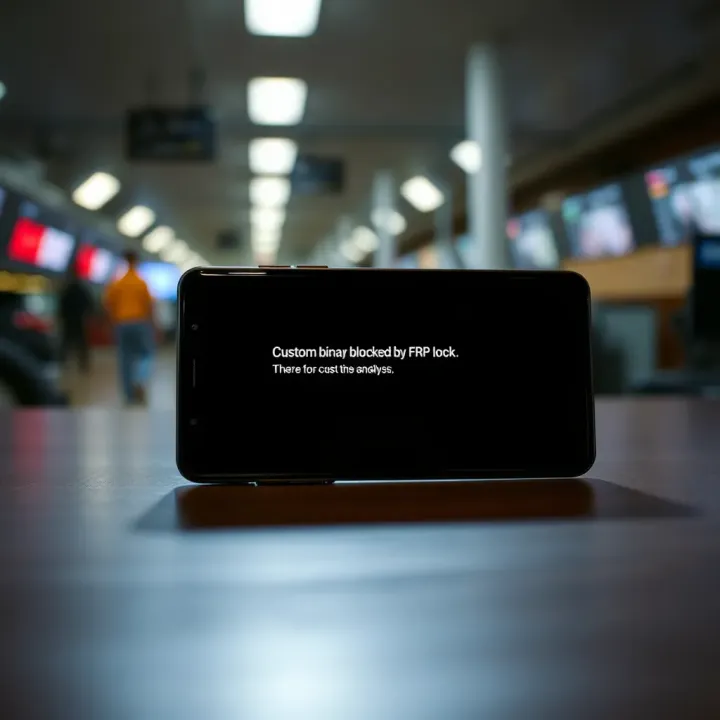
Why is it important for you? If you’re considering buying or selling used Samsung devices, or managing tech inventory for a business, seeing this message means the device has some strict security measures in place. You can’t just reset or flash firmware and expect it to work unless you’ve got the right credentials — like a linked Google account or Samsung ID.
The message "Custom Binary Blocked by FRP Lock" is a safeguard to protect your device and personal data but can also result in a locked device if the proper unlocking steps aren't followed.
Here’s what triggers this error:
Attempting to install custom ROMs or unofficial firmware without disabling FRP
Resetting the device without removing the associated Google account
Using Odin or other flashing tools incorrectly or on locked devices
South African users should be especially careful when buying secondhand Samsung phones, since many sellers might not properly unlock FRP. This can cause frustrations when you try to customise the device later on, or even during setup.
In the next sections, we’ll explain how FRP works, the risks if bypassed incorrectly, and safe ways to deal with this lock. You'll get practical advice tailored to South African contexts, keeping your devices secure without losing control.
This isn’t just a tech issue; it’s also about protecting your investment and privacy in a country where device theft and resale is common. Understanding how to navigate FRP locks smartly can save you from costly mistakes and downtime.
When your Samsung phone throws up the message "Custom binary blocked by FRP lock," it's signalling a security measure kicking in. This message appears when the device detects an attempt to install or run code that isn’t officially signed by Samsung, often after a firmware flash or reset. Essentially, the phone is telling you it won’t run unauthorised software because of Factory Reset Protection (FRP).
This error revolves around what Samsung calls a "custom binary" — software not officially approved by Samsung. It can be a modified operating system, custom recovery tool, or any firmware not part of the standard distribution. When FRP detects such custom binaries, it blocks them to prevent possible security breaches.
Think of it like a security guard at a building’s entrance: if you try entering with unfamiliar gear, the guard stops you to avoid potential trouble. Here, FRP is that guard, blocking unofficial software to protect you and your data.
Samsung’s FRP lock is there for a good reason. It activates automatically once you log into your device with a Google account and then perform a factory reset. This feature prevents thieves from just resetting stolen phones to wipe the data and start fresh. Without FRP, anyone could steal your phone, reset it, and use it as theirs.
By blocking custom binaries, Samsung ensures only legitimate software runs on your phone. This reduces risks such as malware infections or compromised data. It also safeguards warranties and software integrity, which can be voided when unofficial software is installed.
The "Custom Binary Blocked by FRP Lock" message often pops up in a few specific situations:
Flashing third-party firmware or unofficial ROMs instead of Samsung’s official system.
Attempting to root the phone or install custom recoveries like TWRP.
Restoring the device after it has been reset without properly disabling FRP first.
Using some repair tools that modify the system without going through official Samsung channels.
For example, if a trader buys a Samsung phone and tries to reset and install new software without removing the registered Google account, the phone will refuse to boot to protect the original owner.
The key takeaway: this error serves as a security checkpoint, making sure your device stays trusted and prevents unauthorised access or software that could expose your info or affect performance.
Understanding this message helps you handle your device better, especially if you work with firmware or deal with phones needing resets or repairs regularly. It also reminds you to always back up your data and follow the right steps when flashing or resetting, to avoid ending up with a locked device.
Samsung devices include Factory Reset Protection (FRP) as a security feature designed to prevent unauthorised access to a device after a factory reset. This system links your device to your Google account, so if someone resets your phone without your permission, they won’t be able to set it up again without your login details.
FRP activates automatically when you set up a Google account on your Samsung device and enable the lock screen. If your phone is reset through recovery mode or external flashing tools without first removing the Google account, FRP triggers a lock during the setup process. The device then prompts for the Google account credentials that were active before the reset. This acts as a safeguard, ensuring that only the rightful owner can restore the phone.
Imagine you lose your phone or it gets stolen; even if someone performs a hard reset, FRP makes it difficult for them to use the device or sell it, as they hit this lock. This system works silently in the background and only kicks in when suspicious actions, like a factory reset without proper authorisation, occur.

FRP is a direct response to rising smartphone theft rates in places like Johannesburg and Cape Town, where phones frequently change hands illegally. By locking devices after an unauthorised reset, it lowers the value of stolen phones because they can’t be easily used or sold. For example, a thief who steals a Samsung device in Gauteng and attempts to reset it to sell will face this obstacle, lessening the incentive to steal.
The design of FRP means even if a dishonest party wipes the device, they cannot bypass the security without the owner’s Google login info. This discourages theft and protects user data by making devices less attractive to criminals.
Samsung’s FRP system also blocks custom binary files — which are unofficial or modified firmware versions — to prevent unauthorized tampering. Custom binaries might be used to install unofficial operating systems or bypass security checks. However, flashing such files without disabling FRP first will lead to the “custom binary blocked by FRP lock” message.
For instance, if a user tries to flash a custom recovery or root their phone without properly unlocking the device or removing the Google account, FRP will detect the change in software integrity and block it. This blocking is a protective measure, ensuring that only verified software can boot, keeping malicious users from exploiting vulnerabilities or locking legitimate owners out.
"Factory Reset Protection provides a critical line of defence by linking your device to your Google account, safeguarding it against theft and unauthorised software changes."
Overall, understanding FRP helps you appreciate why Samsung locks devices after unexpected resets and why the system blocks certain firmware installations. This awareness is crucial when troubleshooting or modifying your device, so you know the boundaries and can act safely without risking permanent lockouts.
Knowing whether your Samsung device has Factory Reset Protection (FRP) enabled is key before flashing any custom firmware or troubleshooting the 'custom binary blocked by FRP lock' error. FRP is designed to stop unauthorised factory resets, which helps protect your data and device from theft. However, this security can also block custom binaries, causing headaches when you try to install unofficial software. By confirming the FRP status upfront, you avoid getting stuck mid-way and can plan the correct approach to resolve any issues safely.
To check if your Samsung phone is protected by FRP lock, one practical way is through the device’s Recovery Mode. To enter, power off your phone, then simultaneously hold the Volume Up, Home (if available), and Power buttons until the Samsung logo appears. Once in Recovery, navigate using the volume keys and select options with the power button. Here, if a factory reset option triggers a Google account verification upon reboot, it’s a clear sign FRP is active. Another approach is through Samsung's Find My Mobile service, which indicates whether FRP is enabled on your registered device.
You can also check the FRP status via device settings if the phone is unlocked and functional. Under Settings > Biometrics and Security > Find My Mobile, Samsung lists security features including FRP status. Keep in mind, these options depend heavily on your device’s model and Android version.
Distinguishing between official Samsung firmware and a custom build is essential to avoid triggering FRP blocks. Official firmware comes directly from Samsung or authorised channels and matches your device model exactly. These are signed with Samsung’s security keys, allowing smooth updates and compatibility.
Custom firmware, like those from developers or third-party sources, often lacks Samsung’s signature. Flashing such unofficial software immediately raises FRP flags, resulting in the 'custom binary blocked' error. You can verify your installed firmware by going to Settings > About Phone > Software Information. Look for keys words like "CSC" (Consumer Software Customization) which identifies region-specific official builds.
For instance, installing a region-specific firmware for Gauteng users on a Western Cape device might cause errors if not properly matched. Using tools like Odin on a desktop, you can confirm the firmware version and source before flashing.
Knowing your device’s FRP status and firmware authenticity upfront saves unnecessary frustration and data loss. It keeps your Samsung running securely without falling into avoidable lockouts.
In South Africa, where unofficial firmware flashes are common due to cost factors and availability, this knowledge proves especially useful. It helps keep your device in check and avoids trips to repair centres or Samsung stores for tricky FRP problems.
Resolving the 'Custom Binary Blocked by FRP Lock' message on your Samsung device requires a clear and careful approach. It’s not just about rebooting the phone or trying random fixes; understanding why the issue appears and following the right procedures will save you time, frustration, and potential data loss. This section talks you through practical steps to fix the problem, emphasising official methods and important precautions before you consider flashing anything custom.
The first and safest method to handle FRP lock problems is to reset or remove the lock officially. Samsung’s Factory Reset Protection kicks in to protect your device after a factory reset, requiring your original Google account login. This means if you’ve forgotten your Google credentials, you’ll need to recover them through Google's standard recovery options. Attempting to bypass FRP lock without these credentials can have unwanted consequences, such as voiding your warranty or bricking the device.
If you’re the legitimate owner but got stuck, Samsung’s official support tools can help. For example, Samsung’s Find My Mobile service allows remote unlocking of your device if set up in advance. Generally, your best bet is contacting Samsung support in South Africa or visiting an authorised service centre with proof of purchase. They have tools to either reset or safely remove the FRP lock without jeopardising your phone.
Flashing official firmware is a reliable way to resolve software glitches that might trigger the custom binary error. You should only flash firmware downloaded directly from Samsung or trusted sources to avoid triggering FRP again. Tools like Odin, popular among Samsung users, allow flashing stock firmware safely when used properly.
Before starting the process, back up all important data where possible, and ensure your battery is charged. Using Odin requires connecting your device in Download Mode, selecting the correct firmware files, and following the steps carefully. If a single wrong step occurs or incorrect firmware is used, the device may remain locked or worse, fail to start.
Also, ensure the firmware version you flash matches your device’s model and region — flashing a wrong version could cause instability or trigger FRP again. Taking your device to a professional who knows the ins and outs of Samsung flashing makes this easier and safer.
Installing custom binaries, such as custom recoveries or ROMs, is tempting but it’s a doorway to trouble if protected by FRP lock. Samsung’s security measures specifically block unauthorised binaries to protect your device from tampering, which means any attempt to flash custom files will trigger the error message.
Before going down this road, weigh the risks: warranty voids, potential bricking, and permanent locking of your device. Also, consider the source of your custom firmware — unofficial files sometimes carry malware or are poorly coded, which could disrupt your device irreparably.
If you still want to proceed, remember to disable FRP lock first (officially) or use specialised tools that acknowledge the new risks. Otherwise, you’ll face the same error repeatedly. For South African users, customisation is often not worth the hassle, because official firmware updates and Samsung’s extensive app ecosystem meet most needs.
Always prioritise official methods first — tampering with FRP may seem like a quick fix but often leads to bigger headaches. For traders, investors, and professionals relying on their Samsung devices, maintaining device integrity and data security is non-negotiable.
These steps form a clear roadmap for handling the 'Custom Binary Blocked by FRP Lock' message. Taking the official route helps keep your device secure and your information safe, reducing downtime and unexpected costs down the line.
Bypassing the Factory Reset Protection (FRP) lock can seem like a quick fix when you face the ‘custom binary blocked by FRP lock’ message on your Samsung device. However, it carries serious risks and legal considerations that shouldn’t be taken lightly. This section breaks down why avoiding shortcuts is vital for both your device’s integrity and your peace of mind.
Samsung’s warranty terms clearly state that tampering with the software, including bypassing security locks like FRP, typically voids your warranty. For instance, if you send in a phone for repair that has been flashed with unofficial firmware or had its FRP lock disabled illegally, Samsung’s authorised centres are likely to refuse service. This means you’ll have to pay out of pocket for any repairs or replacements, even for hardware faults unrelated to software tampering.
Additionally, retailers and network providers often honour manufacturer warranties, so your attempts to bypass FRP might make your device ineligible for support or returns. This especially matters in South Africa, where reputable outlets like Vodacom or MTN require compliance with manufacturer policies for warranty validation.
The FRP lock isn’t just a hassle; it’s designed to protect your personal data and discourage theft. Disabling or bypassing it can strip your device of essential security features. For example, if a phone without FRP security is stolen, the thief could easily reset and pair it with a new account, making it almost impossible to track. This makes stolen phones more attractive targets.
Moreover, bypass methods often involve installing unverified apps or software that may expose your device to malware or spyware. In practice, some South African users have reported compromised devices after attempting unofficial FRP unlocks — leading to data theft and financial losses. Taking shortcuts might seem to save time, but it often opens the door to bigger problems.
Under South African law, interfering with device security without the owner’s consent can break the Electronic Communications and Transactions Act. This means that attempting to bypass FRP locks on devices that don’t belong to you could expose you to criminal charges.
Even if it’s your own phone, using certain commercial unlocking or bypassing services can be a grey area, particularly if they involve hacking tools or infringe on software licences. South Africa’s Consumer Protection Act (CPA) also provides some cover for consumers but does not protect users who deliberately circumvent security features, especially if the phone was bought second-hand.
Always remember: the safest route is using official Samsung support channels or authorised service centres in South Africa. These ensure your rights are protected and your device stays secure.
In short, while bypassing the FRP lock may sound tempting, the risks to your warranty, security, and legal standing are significant. A measured, informed approach is not just safer—it’s the smart move for keeping your Samsung device in good shape.
Dealing with the 'custom binary blocked by FRP lock' error on Samsung devices can quickly become a major headache, especially if you’re not sure where to turn for help locally. This section provides practical steps and pointers tailored specifically for users in South Africa, helping you navigate this frustrating issue without jeopardising your device or personal data.
For many South Africans, the best move is to seek out professional repair services with experience handling FRP locks on Samsung phones. Major urban centres like Johannesburg, Cape Town, and Durban have certified Samsung repair centres and reputable independent shops that understand these security features well. Choosing an authorised Samsung service centre is usually the safest bet as they follow official protocols and won’t void your warranty unnecessarily. For example, if your device is still under warranty or covered by Samsung Care+, visiting an authorised repair centre can ensure the FRP lock is handled correctly without further complications.
On the flip side, tackling FRP lock removal at local small independent repairers can be hit or miss—some have the right know-how, but a few might use unreliable or unofficial tools which may cause further harm. If you decide to use an independent repair service, check reviews and confirm that they have prior experience specifically with Samsung FRP lock issues.
Preventing FRP lock headaches is far more straightforward than fixing them. Always link your Samsung device to a Google account that you remember, and note the login details down securely. Before handing your phone over for repairs or buying secondhand, perform a proper factory reset via device settings after removing your Google account – skipping this step often triggers FRP lock activation.
Another practical tip is to stick with official firmware updates rather than flashing custom ROMs or binaries unless you fully understand the risks. South African users living in areas prone to load shedding, for instance, sometimes try custom binaries to extend battery life or add offline functionality, but this can unintentionally trigger FRP blocks if not done correctly.
Lastly, keep the Samsung Find My Mobile service activated. It can help in regaining access after a factory reset and may assist in managing FRP locks remotely where applicable.
Samsung South Africa provides several support channels that South African users should not overlook. The official Samsung website offers detailed guides on FRP lock and device recovery, alongside downloadable tools like Samsung Smart Switch and Odin for official firmware flashing.
Customers can also visit Samsung Experience Stores dotted around major malls in Gauteng, Western Cape, and KwaZulu-Natal. These stores offer direct support and expert advice on device issues, including FRP lock complications.
Additionally, Samsung’s call centres and social media support are responsive and useful for quick clarifications or booking service appointments locally.
Remember: Using official Samsung services and tools lowers the risk of data loss, voided warranties, or bricked devices, which is especially important in the South African context where device replacements or repairs can impact daily work and connectivity.
By following these guidelines, South African users can better manage FRP lock issues without unnecessary stress or expense, keeping their Samsung devices secure and operational.
🔢 Learn how to convert hexadecimal numbers to binary with our clear guide! Step-by-step examples and practical tips for computing and digital electronics enthusiasts. 💻

🔢 Learn to convert hexadecimal to binary easily! Explore manual steps, online tools, common hurdles, and practical tips in everyday tech use. 🖥️

Learn how to convert words to binary code 💻. Explore binary basics, ASCII & Unicode, conversion tips, tools, and real-world uses in computing and communication 🔢.

💻 Explore hex to binary conversion: understand manual steps, software tools, and practical uses in coding and electronics. Easy examples included! 🔢
Based on 7 reviews