

Practical Tips for Forex Trading Success in South Africa
Master forex trading in South Africa 🇿🇦 with tips on market mechanics, risk control, emotional discipline & technical analysis 📈 for steady success.
Edited By
Thomas Gray
Binary trading can seem straightforward: predict whether an asset's price will rise or fall within a set time. However, succeeding consistently demands more than guesswork. Traders need solid strategies tailored to dynamic markets, including those in South Africa where factors like local economic shifts and exchange rates have real influence.
Understanding the basics before diving in is essential. Binary options typically involve fixed payouts and risks, making it critical to manage your exposures with care. Unlike more traditional investments, the all-or-nothing nature calls for precise timing and technique.
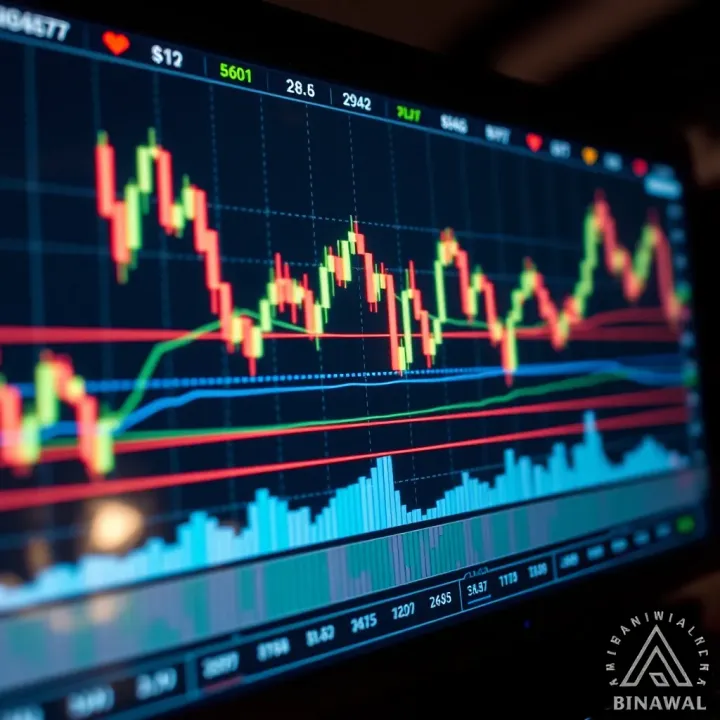
Effective binary trading isn’t about chasing every market move but choosing moments where the odds stack in your favour.
Here are key points to keep in mind:
Know your asset: Familiarity with the underlying asset—be it JSE stocks, commodities like gold or petrol prices, or forex pairs—is crucial. Local news, political shifts, and Eskom’s load shedding schedules can impact market sentiment.
Choose timeframes wisely: Short expiry times offer quick returns but carry high risk. Longer expiries allow analysis of trends but require patience and understanding of broader market moves.
Risk management is non-negotiable: Limit your stake on each trade, so a losing streak doesn’t wipe your account.
Stay objective: Avoid emotional decisions. Sticking to a tested strategy beats impulsive trades driven by fear or greed.
For South African traders, practical strategy means blending technical analysis with an eye on local conditions. Use tools like trend lines, moving averages, and RSI (Relative Strength Index) while keeping tabs on Rand volatility and economic indicators.
This intro aims to set the stage for methods that go beyond luck, focusing instead on rational, disciplined approaches that suit both beginners and seasoned binary traders from Mzansi. The next sections will explore risk control, technical setups, and mental game tips to sharpen your edge in this intriguing but risky market.
Grasping the basics of binary trading lays the groundwork for making smart trading decisions. It's not just about picking a direction for an asset's price; it's about knowing how the process works, understanding the terminology, and recognising the pitfalls that can catch even experienced traders off guard. Without this foundation, it becomes almost impossible to apply strategies that deliver consistent results.
Binary options are a straightforward type of financial contract where the outcome is either a fixed payout or nothing at all — there's no middle ground. For example, you might bet that the Rand will strengthen against the US dollar within the next hour. If you’re right at expiry, you receive a predetermined payout, say R750 on a R1,000 stake; if wrong, you lose your stake. Traders like this simplicity, but it's essential to know each trade has a strict expiry time, ranging from minutes to days.
Before diving in, it's good to familiarise yourself with the main terms: the 'strike price' is the asset price level you predict on, 'expiry time' is when the trade closes, and 'payout' indicates your potential return. The market mechanics depend heavily on these elements. For instance, if the current price of gold is R1,000 per gram and you predict it will be above R1,020 in 30 minutes, you’re making a "call" option. Conversely, expecting it to fall below that level is a "put" option. Understanding these helps prevent costly mistakes, like confusing strike price with current price.
Binary trading is high risk. The "all or nothing" nature means you can lose your entire stake quickly. It’s not an investment but a form of speculation, as the outcome hinges on predicting short-term price movement, often influenced by news, technical patterns, or market sentiment. Additionally, some platforms may lack regulation, increasing the risk of fraud. For example, a trader new to binary options might chase losses by doubling stakes, leading to rapid depletion of their trading capital. Recognising these risks ensures you approach trades cautiously, using sound money management and verified platforms.
Knowing the basics keeps you grounded — it’s your first defence against scams, emotional decisions, and bad trades. Always start with a clear grasp of how binary options function and what’s at stake before putting your money on the line.
Understanding these elements sets you up to explore more advanced techniques and strategies with better confidence and realistic expectations.
Successful binary trading isn't just about guesswork or blind luck. It demands a solid foundation built on clear goals and smart money management. This section explores key elements that every trader should consider to increase the chances of consistent profits while limiting losses. Whether you're trading on the Johannesburg Stock Exchange (JSE) indices or currency pairs like USD/ZAR, sticking to these essentials helps prevent costly mistakes.
Setting clear, achievable goals is critical for any trader serious about binary options. Unlike long-term investments, binary trades typically have short expiry times ranging from minutes to hours, so expecting large windfalls overnight often leads to frustration and risky choices. Instead, focus on consistent, smaller gains that accumulate over time. For example, aiming for 60% success on trades with a 70-80% payout can steadily grow capital even after accounting for losses.

Be honest with yourself about how much time and risk you can afford. Are you trading daily with R1,000, or sparing pockets of time and R100? Tailor your expectations accordingly. Setting unattainable goals like doubling your money weekly is a fast route to burnout or blowout, especially during volatile markets affected by global news or local factors such as SARB (South African Reserve Bank) announcements.
Patience pays more than impatience grime; real traders know when to bail and when to hold.
Guarding your trading capital is the backbone of staying in this game longer. Many beginners throw caution to the wind, risking too much on single trades, which quickly wipes out their bankroll. A sensible rule is never to risk more than 2-5% of your total trading funds per trade. For instance, with R10,000, keep individual bets around R200 or less.
Diversify your trades where possible—don’t put all your eggs in one basket by chasing one asset or market condition. Also, be disciplined with stop-loss approaches even though binary options have fixed returns and losses. Monitoring your win-loss ratio and adjusting trade sizes accordingly will make your trading more sustainable during inevitable downswings.
Understanding the interplay between capital and risk management equips you to handle unexpected market moves—such as sudden rand weakness due to geopolitical tensions or Eskom loadshedding-related economic impacts. A cool head during these times can be the difference between riding out a storm or losing your entire stack.
By sticking to realistic goals and prudent capital management, binary trading becomes less about gambling and more about a calculated approach with steady returns. This mindset shift from quick wins to sustainable growth is what separates seasoned traders from novices clinging to hope.
Using reliable technical methods can make a significant difference in binary trading outcomes. These approaches help traders identify patterns, momentum, and key price points in the market. This section covers crucial techniques including trend analysis, support and resistance levels, and indicators and oscillators. Each method offers practical insights that can guide entry and exit decisions with better timing.
Trend analysis is all about spotting the general direction the market is moving—up, down, or sideways. Identifying a clear trend in asset price movement can help you make more informed binary option choices. For instance, in an upward trend, placing a "call" (buy) option often aligns with market momentum, while a downward trend suggests putting your money on a "put" (sell) option. A practical tip is using moving averages, such as the 50-day and 200-day moving averages, which smooth out price fluctuations and reveal the trend’s direction over time.
However, it’s crucial to confirm trends using volume or other signals to avoid falling into traps during short-lived price jumps. For example, if you notice a rising trend on the graph but volume is thin, the movement might not sustain. In South African markets, where news around resource stocks can cause abrupt shifts, validating trend signals is especially important.
Support and resistance levels act like invisible barriers on price charts. Support is the price point where an asset tends to stop falling because demand picks up; resistance is where selling typically increases, halting price rises. Recognising these levels allows you to predict possible reversal points.
Imagine a platinum miner’s share hitting a strong support level around R1,200 consistently over weeks. If the price nears this point, a trader might consider buying a call option, expecting the price to bounce back. Conversely, if it approaches resistance at around R1,400, a put option might be a safer bet. Remember, these levels are not fixed—they can shift based on market sentiment, so regular chart reviews are necessary.
Indicators and oscillators offer extra layers of analysis by quantifying momentum, volatility, and potential turning points. Tools like the Relative Strength Index (RSI) or the Moving Average Convergence Divergence (MACD) help spot overbought or oversold conditions.
For example, an RSI value above 70 suggests an asset might be overbought and due for a decrease, signalling a possible put option opportunity. On the flip side, RSI below 30 shows oversold conditions, hinting at a possible rise and the chance for a call option. MACD, meanwhile, tracks the relationship between two moving averages, helping confirm trend strength or warn of reversals.
Trading binary options without technical analysis is like fishing without bait—you’re unlikely to get a bite. Leveraging these proven techniques sharpens your judgement and identifies where the odds lean in your favour.
Each technical approach complements the others. Trend analysis shows the big picture, support and resistance highlight key price zones, and indicators add confirmation. South African traders should adapt these tools to market specifics, considering local news, interest rates, and commodity price shifts that often sway the JSE shares. This combined insight equips you to trade smarter, not harder.
Trading binary options isn’t just about charts or numbers; it’s largely about how you manage yourself under pressure. Psychology plays a key role in steering your decisions, keeping you on track, and preventing costly mistakes. Understanding the mental side can make the difference between steady gains and losses that pile up faster than you can blink.
Discipline is the backbone of any effective trading strategy. Without it, even the best technical or fundamental plan falls apart quickly. Emotional reactions like fear, greed, or frustration tend to push traders into impulsive decisions—jumping into trades without analysis or holding losing positions hoping for a rebound. For example, a trader who experienced a sudden loss might chase a risky trade, looking to recover quickly, only to lose more.
To maintain discipline, it's worth setting strict rules upfront: limit daily losses, set clear entry and exit points, and stick to them. Using automated alerts or stop-loss orders can help enforce this. The key is to view trading as a gradual, consistent process rather than a quick way to make money. Remember, patience is a form of discipline.
Patience allows you to wait for the right setup instead of forcing trades just to feel active. In binary trading, timing is everything; entering trades based on sound technical or fundamental signals rather than guesswork reduces risks significantly. For instance, sitting out during high-volatility news announcements could save you from unpredictable market swings.
Alongside patience, keeping detailed records is a practice often overlooked but highly valuable. Document your trades, including why you entered or exited, results, emotions felt, and lessons learned. Over time, this log reveals patterns in your behaviour and strategy performance, helping you refine your approach. For example, if you notice losses piling up during afternoon sessions, it might indicate market conditions or your attention span affecting outcomes.
Consistent self-review grounded in accurate record-keeping builds discipline, helps curb emotional impulsiveness, and sharpens decision-making for long-term success.
Together, discipline, patience, and thorough record-keeping form the psychological foundation for trading binary options effectively. They help keep impulsive urges in check and bring clarity when markets get choppy, ultimately supporting a more resilient trading practice adapted to the South African market context.
Navigating binary trading as a South African requires practical tips that align not only with global market trends but also with local realities. From platform choice to adherence to South African regulations, traders benefit when they tailor strategies to their unique environment. Taking these factors seriously helps cut through the noise and avoid costly mistakes.
Selecting a trustworthy trading platform is the first step for any South African trader. With growing concerns over unregulated brokers scamming clients, checking for proper licences is non-negotiable. Ideally, the platform should be authorised by recognised bodies like the FSCA (Financial Sector Conduct Authority) or have solid international credentials.
Beyond regulation, the platform must offer a straightforward user interface and reliable execution speeds — especially critical for binary options where seconds matter. Platforms that provide transparent fee structures and clear payout terms avoid unpleasant surprises. Some South African traders prefer localised customer service, so platforms with support during South African business hours can be a big plus.
Understanding the legal backdrop is key. In South Africa, binary trading occupies a grey area: certain brokers may operate offshore, but South African law requires financial service providers to hold FSCA licences. Trading with unregulated entities not only risks your money but may also complicate tax reporting.
Speaking of tax, profits from binary trading fall under SARS (South African Revenue Service) rules, and traders should declare earnings as part of income tax returns. Losses from trading might be deductible if trading is regarded as a business, but casual traders may find this harder to prove. Keeping detailed records of trades, dates, amounts, and outcomes makes tax submissions simpler and clearer.
"Always treat your trading like a formal business—keep solid records, understand your tax responsibilities, and stay within legal boundaries to avoid troubles down the line."
Binary traders often talk about spotting trends, but real success comes from adapting strategies to the moving conditions of various markets. For South Africans, this means paying attention not only to global drivers like US interest rate changes, but also to local events such as Eskom load shedding reports or SA Reserve Bank statements.
News can affect fast-moving markets and binary expiry timings, so staying updated through reliable sources improves your timing. For example, a sudden petrol price hike announced by the Department of Mineral Resources and Energy might cause sharp moves in petrol company shares or the rand exchange rate.
Beyond big news, seasonal cycles or municipal elections can also shift sentiment. Adjusting expiry times or choosing more stable underlying assets during turbulent periods helps manage risk better.
In summary, the best South African binary traders stick to regulated platforms, understand their legal and tax standing, and keep their strategies nimble enough to handle local and global market pulses. This approach provides a stronger foundation for steady, sensible trading results.
Master forex trading in South Africa 🇿🇦 with tips on market mechanics, risk control, emotional discipline & technical analysis 📈 for steady success.

📈 Master forex trading basics designed for South African traders. Understand market mechanics, key terms, analysis, risk strategies, and get hands-on tips.

Learn forex trading basics and advanced tactics with our South Africa-focused tutorials. Manage risks, choose reliable courses, and boost your skills! 📈💰

🌍 Discover forex trading hours for South African traders, including session times in SAST, daylight saving impacts, and tips for smarter trading moves 📈.
Based on 10 reviews