

Fraud Risk Management for South African Businesses
🔍 Learn practical fraud risk management strategies designed for South African businesses to protect assets, ensure compliance, and build trust.
Edited By
Thomas Bennett
Risk management isn't just buzzword chatter in the boardroom — it's an essential part of how South African businesses, from financial firms in Sandton to retail giants in Cape Town, stay afloat amid uncertainty. If you’re part of the trading, investment, or advisory world, understanding risk means better decision-making, smarter moves, and keeping your clients’ interests covered.
A diploma in risk management offers practical skills tailored for professionals who want to get a firm grip on identifying, analysing, and controlling risks. These aren’t just theoretical courses either; many programmes include case studies reflecting local industry challenges, such as fluctuating commodity prices, exchange rate volatility, or the impact of Eskom's loadshedding on supply chains.
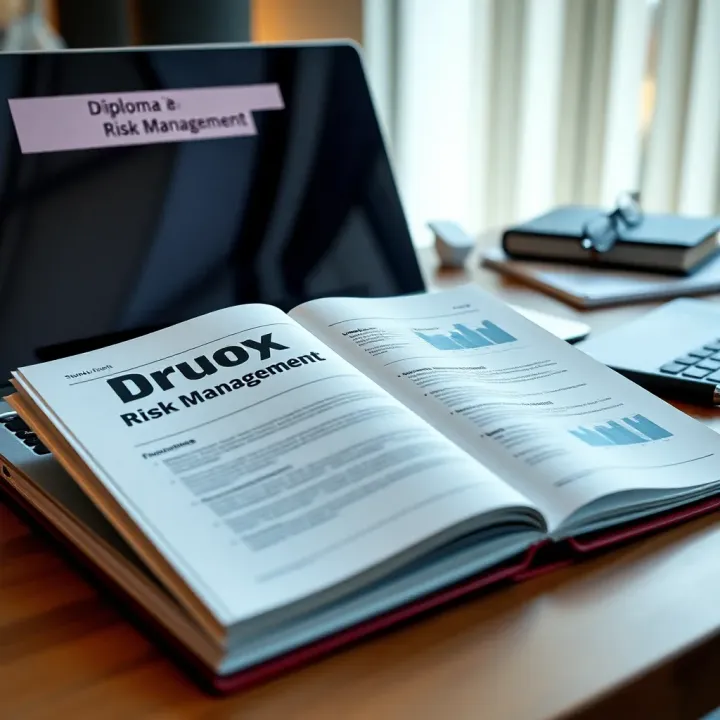
Risk management courses help bridge the gap between knowing the risks and effectively managing them, setting you apart in a crowded market.
You don’t need to be a full-time student to benefit, either. South African institutions commonly offer flexible study options, including part-time, online, or blended formats, allowing you to balance work and study without missing a beat. This flexibility suits brokers and analysts who often juggle irregular hours.
Typical modules cover essential skills such as:
Risk assessment and mitigation techniques
Financial risk instruments and market analysis
Legal and regulatory compliance in the local context
Crisis management and contingency planning
Overall, a diploma certifies that you’re equipped to spot potential pitfalls before they snowball, helping businesses protect their assets, reputation, and bottom line. With South Africa's unique economic and regulatory environment, this qualification isn’t just a CV booster — it’s a practical necessity for those serious about career growth in risk-conscious roles.
Whether you’re considering a move into risk management or looking to strengthen your expertise, these diplomas provide a clearly mapped out path for upskilling and opening doors across sectors like banking, insurance, retail, and logistics.
Risk management involves identifying, analysing, and responding to potential threats that can affect an organisation's ability to achieve its goals. In South Africa, this is especially relevant due to the country’s unique economic landscape, regulatory environment, and social factors. A clear grasp of risk management helps businesses navigate uncertainties, protect assets, and comply with local laws, ultimately reducing financial losses and reputational damage.
In South Africa, risk management goes beyond standard practices due to factors like frequent loadshedding, political shifts, and diverse regulatory obligations under laws such as the King IV Report on Corporate Governance and the Protection of Personal Information Act (POPIA). Organisations must also account for social and economic disparities that can influence market behaviour or operational stability. For example, mining companies face risks not only from the fluctuating commodity market but also from labour unrest and environmental impact regulations.
Businesses operate in fast-changing markets that require quick, informed decisions. Risk management skills equip professionals to spot dangers before they escalate, from cyber threats targeting financial firms to supply chain disruptions affecting retailers during seasonal demand surges. A trader, for instance, who understands risk management can better manage exposure to volatile currencies like the rand, while a compliance officer can ensure adherence to evolving finance laws, avoiding costly penalties. Essentially, these skills help protect a company’s bottom line and build stakeholder trust.
Several sectors in South Africa heavily depend on robust risk management frameworks:
Financial services: Banks and insurers routinely assess credit, market, and operational risks to safeguard clients and comply with the Financial Sector Conduct Authority (FSCA) guidelines.
Mining and manufacturing: These industries manage safety risks, environmental compliance, and fluctuating global demand for resources.
Agriculture: Weather volatility and market prices require careful risk assessment to stabilise production and income for farmers.
Retail and logistics: Managing risks in inventory, supply chain continuity, and changing consumer behaviour is key to maintaining service levels.
Effective risk management isn't just tick-box compliance; it's a vital function that helps businesses stay afloat in uncertain times and position themselves for long-term success.
Understanding risk management within South Africa’s specific context allows professionals to anticipate challenges more accurately and develop strategies that are practical and compliant. Whether in finance, mining, or retail, mastering these skills enhances decision-making and safeguards organisations from avoidable setbacks.
Enrolling in a diploma in risk management opens doors for a variety of individuals and organisations in South Africa aiming to sharpen their ability to navigate uncertainties and safeguard assets. Understanding who benefits most from such qualifications helps readers identify if this path aligns with their career goals or organisational needs.

Professionals working in fields like finance, insurance, or project management who want to deepen their expertise find a diploma in risk management especially valuable. For instance, a financial advisor in Johannesburg might pursue it to better advise clients on market risks amidst economic shifts. Similarly, risk officers in banks or insurance firms can use this diploma to enhance their understanding of compliance and develop sharper risk mitigation strategies. Specialising through formal training can help these professionals stand out, earn certifications recognised by bodies like the Institute of Risk Management South Africa (IRMSA), and ultimately progress into senior risk roles.
For recent graduates or students in commerce, economics, or related fields, a diploma in risk management offers hands-on skills that complement theoretical knowledge. While a bachelor’s degree gives a conceptual base, a diploma focuses on application within the local context, such as understanding South Africa’s regulatory environment or how to manage risks related to load shedding in operational plans. This practical edge is crucial when entering competitive job markets, especially in sectors like mining or manufacturing where risk assessment is a daily necessity.
Companies aiming to strengthen their risk frameworks often send employees for formal risk management training. This builds internal capacity to identify threats early and respond effectively. For example, a mining company in the Northern Cape might enrol supervisors and safety officers to ensure adherence to safety standards, while a retail chain could train supply chain managers to handle disruptions caused by transport strikes or fluctuating exchange rates. Investing in employee development via these diplomas helps organisations reduce losses, comply with South African laws, and foster a culture of proactive risk awareness.
A diploma in risk management is not just theory—it's a practical toolkit for anyone dealing with uncertainties in South Africa’s dynamic business environment.
By clearly targeting these groups—specialising professionals, motivated graduates, and forward-thinking organisations—a diploma course becomes a strategic stepping stone for career and operational resilience. Each enrollee gains skills tailored to South Africa’s unique challenges and business realities, making this qualification a worthwhile consideration.
Understanding the core topics covered in diploma risk management courses is essential for professionals aiming to navigate complex business environments. These courses equip learners with practical skills that directly apply to managing uncertainties and safeguarding organisational assets. Let's take a closer look at some key components.
Identifying risks early can save companies from costly surprises. Diploma courses teach various methods to spot potential threats, from financial losses to operational hiccups. For example, a risk manager in a Gauteng manufacturing firm might use SWOT analysis and scenario planning to uncover vulnerabilities, such as supply chain disruptions due to transport strikes or equipment failure. Learning how to assess the likelihood and impact of these risks sharpens decision-making and prioritisation, allowing the firm to focus on the most pressing issues.
Once risks are identified, the next step is figuring how to control or reduce them. Courses cover strategies like risk avoidance, transfer (such as insurance), and acceptance with contingency plans. Consider a mining operation in Mpumalanga facing environmental risks: risk control could involve stricter waste management protocols and emergency response drills to reduce environmental harm and comply with regulations. These approaches help businesses maintain continuity and protect their reputation.
South Africa has specific legislation that governs risk management, such as the Occupational Health and Safety Act and the Companies Act. Diploma programmes delve into these laws to ensure compliance and avoid hefty penalties. For instance, a financial services firm needs to align risk practices with the Financial Sector Conduct Authority (FSCA) requirements. Understanding the legal backdrop also prepares professionals to anticipate regulatory changes and adapt swiftly.
Modern risk management relies heavily on technology. Courses introduce tools like Enterprise Risk Management (ERM) software, data analytics, and computerised risk registers. Take banking institutions in Cape Town using software to monitor credit risks in real time; this helps flag early warning signs and improve reporting accuracy. Embracing such technology not only boosts efficiency but also enhances the precision of risk decisions.
A solid grasp of these core topics arms professionals with the knowledge to spot risks, manage them effectively, stick to South African laws, and use technology smartly — all critical for thriving in today's unpredictable markets.
In sum, diploma risk management courses integrate these elements to prepare you for practical challenges in the local context. Whether dealing with the regulatory maze or deploying the latest software, this knowledge forms the backbone of competent risk managers ready for South Africa’s dynamic business world.
Choosing the right study option for a risk management diploma in South Africa depends on a mix of personal circumstances, career demands, and learning preferences. Flexible modes of study allow professionals—especially those working in finance, investment, or management—to acquire practical skills without halting their careers.
Full-time studies suit those who can dedicate their days to learning, such as recent graduates or individuals between jobs. This option offers immersive learning, with regular face-to-face interactions, often resulting in quicker completion of the diploma. However, it may not be practical for those already employed.
Part-time options are popular for working professionals who want to upskill while maintaining their current job. Courses typically run during evenings or weekends to accommodate busy schedules. For example, a risk analyst in Johannesburg might attend classes two evenings a week, balancing work and study efficiently.
Distance learning provides the most flexibility, ideal for those staying in more remote areas or juggling family responsibilities. Many accredited South African institutions offer online platforms where students can access course materials, submit assignments, and communicate with lecturers. This can cut down on travel time and reduce costs.
Several respected institutions provide accredited diplomas in risk management. The University of Stellenbosch Business School (USB) is well-regarded for combining academic rigor with practical insights tailored to South African markets. Similarly, Damelin Correspondence College offers distance learning suited for professionals needing flexibility.
The University of Cape Town (UCT) also presents diploma programmes with a focus on governance and compliance, essential for financial and corporate sectors. Meanwhile, private colleges like Milpark Education cater to mature students aiming to enhance risk management skills via online or weekend lectures.
Tuition fees for risk management diplomas in South Africa vary widely, typically ranging from R20,000 to R60,000 depending on the institution and study mode. Full-time students may face higher annual costs but finish faster, whereas part-time and distance learning fees are spread over a longer period.
Financial aid often comes in the form of bursaries, scholarships, or study loans from organisations such as NSFAS (National Student Financial Aid Scheme) or private sector bursaries targeting aligned fields like finance and corporate governance. Some employers also subsidise tuition to develop staff capabilities.
Before enrolling, check if the institution is accredited by the South African Qualifications Authority (SAQA) and if the programme meets industry standards, ensuring your qualification holds weight in the job market.
Being realistic about your available time, financial resources, and learning style will help you select the best study route to boost your risk management career in South Africa's dynamic business environment.
Completing a diploma in risk management opens a wide range of career paths across various South African industries. Employers highly value the practical skills gained from these courses, especially in sectors facing evolving risks due to market volatility, compliance demands, and operational challenges. Understanding where these skills fit helps you map out a career with real opportunities.
In the financial sector, risk managers help institutions identify, analyse, and mitigate risks that could affect profitability or stability. This includes roles in banks like FNB and Standard Bank, insurance companies, and investment firms. For example, a risk analyst might monitor credit risk exposure or regulatory compliance linked to the Financial Sector Conduct Authority (FSCA) requirements. As corporate risk officers, graduates often focus on safeguarding company assets and ensuring sustainability by controlling operational and strategic risks.
South Africa's mining industry alone presents unique risks—from environmental hazards to equipment failures—that require skilled risk management professionals. Diploma holders can work as health and safety officers or risk assessors, helping to prevent accidents and reduce downtime. Manufacturing firms also depend on risk management to maintain quality control and comply with regulations. These roles often demand onsite inspections and the use of specialised software for hazard identification.
Governance frameworks and the need for strict compliance create opportunities in auditing and regulatory roles. A risk management diploma prepares you for positions such as compliance officer or internal auditor, where you ensure that business processes align with laws like the Protection of Personal Information Act (POPIA) and the Companies Act. These roles support transparent reporting and ethical governance, critical in sectors like financial services and public administration.
A diploma serves as a stepping stone for career progression into senior risk analyst roles or management positions. Many professionals pursue further studies, such as an honours degree in risk management or certifications like the Certified Risk Manager (CRM) designation. These additional qualifications can lead to specialised niches, including enterprise risk management (ERM) or forensic risk analysis. Regularly updating your skills is essential, especially as technology reshapes risk identification and mitigation.
The practical skills developed in a diploma risk management course not only improve job prospects but also enable professionals to respond effectively to South Africa's dynamic risk landscape.
Risk management qualifications bring tangible benefits—whether you're aiming to boost your career in finance, mining, compliance, or beyond. By understanding specific roles and pathways, you can better plan your next move in this growing field.
🔍 Learn practical fraud risk management strategies designed for South African businesses to protect assets, ensure compliance, and build trust.

Explore where to study risk management in South Africa 📚. Discover courses, admission tips, and career paths to help you choose the right program and succeed.

📈 Explore free online forex trading courses tailored for South African traders. Learn key strategies, tools, and tips to kickstart your trading journey effectively 🌍

Protect South African businesses 🛡️ with proven fraud and risk management strategies. Learn detection, prevention, employee training, and tech tools today!
Based on 10 reviews