

Understanding Forex Trading Sessions
📈 Learn how different forex trading sessions affect currency moves and discover the best times to trade for smarter decisions in the 24-hour market cycle.
Edited By
James Foster
Trading in the currency market, or forex, offers different ways to approach making profits. Two common styles, day trading and swing trading, each come with their own rhythm, risk levels, and demands on your time. Understanding these styles helps you decide which one matches your financial goals and lifestyle better.
Day trading means buying and selling currency pairs within the same trading day. Positions are often closed before the market shuts, avoiding overnight risks. This style requires constant monitoring of charts, quick decision-making, and a solid grasp of short-term price movements. For example, a day trader might spot a sudden weakness in the US dollar against the rand during the morning session and close the position by afternoon with a small but quick profit.
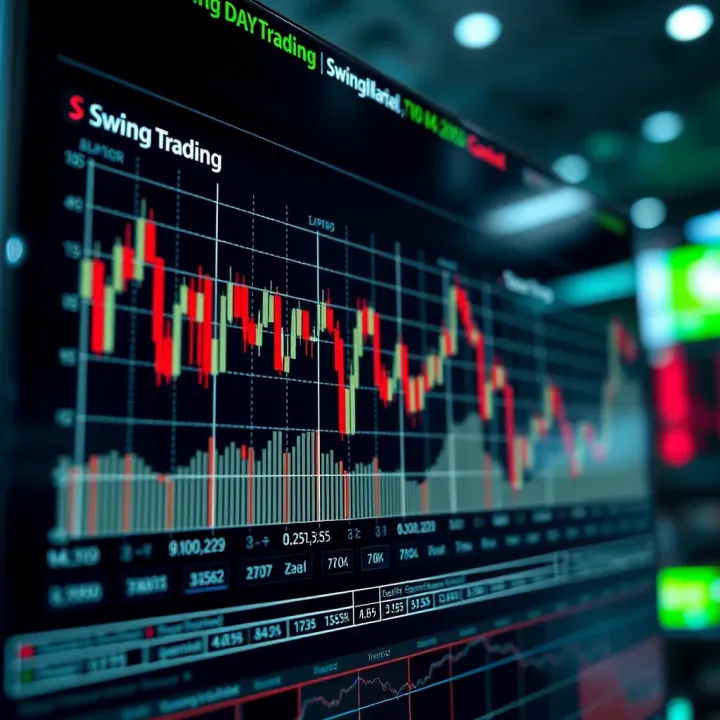
In contrast, swing trading holds positions for several days to weeks. It aims to capture broader price moves, relying on technical analysis and sometimes fundamental factors, like interest rate shifts or economic data releases. A swing trader might enter a trade expecting the euro to strengthen against the rand over a fortnight due to expected positive GDP figures in the Eurozone.
Risk management varies between the two. Day traders typically set tight stop-loss orders to limit losses from rapid price swings, while swing traders might accept wider stops, knowing they’re exposed to overnight events and gaps. Both must understand leverage carefully—South African traders need to manage this responsibly given local margin rules and volatility.
Tools and strategies also reflect these differences. Day traders lean on intraday charts (like 5-minute or 15-minute intervals), technical indicators such as the Relative Strength Index (RSI), and quick execution platforms offered by brokers like IG or Plus500. Swing traders focus more on daily or 4-hour charts, trend lines, and longer-term indicators like moving averages.
For South African traders, considering market hours aligned with the rand’s liquidity is vital. The Johannesburg Stock Exchange (JSE) doesn’t operate 24/7 like forex, so pairing trading times with global forex sessions like London and New York impacts execution and spreads.
Ultimately, the choice boils down to your availability, risk appetite, and trading discipline. Day trading suits those who enjoy keeping a close eye on the market and can dedicate hours a day. Swing trading fits better if you prefer less screen time but still want to take advantage of currency moves over days or weeks.
Understanding the different trading approaches in the currency market helps traders and investors align their strategies with personal goals and market conditions. Whether you’re a day trader looking for quick moves or a swing trader aiming for larger, more sustained trends, knowing the basics of these styles informs your risk tolerance, time commitment, and trade management.
Day trading involves opening and closing positions within a single trading day. Typically, trades last from a few minutes to several hours but are always closed before the market wraps up. This approach aims to capitalise on small price movements, frequently using technical indicators for entry and exit decisions.
Most day traders concentrate on high liquidity sessions such as the London or New York market hours, when currency pairs like EUR/USD or GBP/USD tend to be most active. This allows them to place numerous trades during the day, sometimes executing dozens to catch minor swings in price.
Swing trading takes a different path by holding positions over several days to weeks. The goal is to capture medium-term price moves, benefiting from trends or market retracements rather than minute-by-minute fluctuations.
Swing traders rely on a mix of technical and fundamental analysis. For example, they may enter a position based on a breakout confirmed by economic data releases or central bank announcements, holding through short-term volatility to realise gains when the market trend matures.
Currency markets offer high liquidity and operate 24 hours on weekdays, making them suitable for both day and swing trading. Day trading flourishes during major sessions, when volatility spikes, while swing trading relies on broader trends that unfold over days, influenced by shifts in global sentiment or policy.
Global macroeconomic events, such as interest rate decisions by the South African Reserve Bank (SARB) or the US Federal Reserve, create ripples that can fuel both immediate price moves and longer-lasting trends. Traders must factor these events in; day traders might exit ahead of announcements to avoid unexpected spikes, while swing traders position themselves to benefit from the event’s aftermath.
Recognising how different trading styles interact with market liquidity and news events allows traders to select approaches suited to their personality, risk appetite, and available time.
By grasping these core concepts, South African traders can better navigate the currency market, balancing fast-paced decision-making with thoughtful trade management across day and swing trading styles.
Understanding the key differences between day trading and swing trading helps you pick a style that fits your schedule and risk tolerance. Each has distinct demands in terms of time, risk appetite, and emotional challenges, which seriously impact how you manage trades in the currency market.
Day trading requires a substantial time investment during trading hours. Traders typically open and close multiple positions within a single day, following price movements minute by minute. For example, a day trader might watch the USD/ZAR pair throughout the four-hour Johannesburg Stock Exchange forex session, reacting quickly to volatility caused by local and global news.
Swing trading, on the other hand, involves holding positions for several days up to a few weeks. This style suits those who can't dedicate full hours daily but can check their screens a few times during the day, such as after work or early mornings. A swing trader might enter a position on the EUR/ZAR, aiming to capture a broader price move based on weekly trends rather than intraday noise.
Day traders usually aim for smaller, frequent profits with tight stop-losses to limit exposure. Since multiple trades occur daily, losses on some can be offset by gains elsewhere, but it requires constant attention. For instance, a day trader might target 10 to 20 pips per trade, with losses contained around 5 to 10 pips.
Swing traders pursue larger price swings, meaning bigger potential gains but also greater drawdowns. They accept wider stop-losses to prevent getting stopped out by typical market fluctuations. A swing trade on GBP/ZAR might aim to capture 100 pips over a week but accept a 50-pip loss if the trend reverses.

Day traders usually close positions before the market closes to avoid overnight risks like gaps or unexpected news affecting prices out of trading hours. This limits exposure to after-hours volatility but can mean missing out on profitable moves.
Swing traders, however, hold positions overnight and through weekends, which adds risk from events such as geopolitical shifts or currency interventions by central banks. This exposure can create opportunities for larger gains but also sudden losses—in South Africa’s case, events like SARB’s rate announcements or US political developments can cause sharp overnight moves.
Day trading can be mentally draining, with the need to make quick decisions under pressure and manage multiple trades simultaneously. The fast pace requires discipline and resilience to handle losses without chasing recovery trades.
Swing trading demands patience and the ability to withstand short-term volatility without reacting impulsively. It suits traders who prefer a calmer approach but still need to manage anxiety from holding positions exposed to unpredictable overnight shocks.
Choosing between day and swing trading is as much about understanding how you cope with time pressure and risk as it is about market mechanics. Weigh your lifestyle, tolerance for stress, and available hours carefully before deciding which suits you best.
Successful trading in the currency market, whether you favour day trading or swing trading, relies heavily on a solid set of strategies and tools. These elements help traders make informed decisions, manage risks effectively, and execute trades smoothly. The tools and strategies overlap in many ways but need to be adapted to fit the differing time horizons and trading rhythms of each approach.
Chart patterns and indicators are the bread and butter of currency trading analysis. Traders look for formations like head and shoulders, flags, or double bottoms to predict potential price movements. Technical indicators such as moving averages, RSI (Relative Strength Index), and MACD (Moving Average Convergence Divergence) offer insights into momentum and trend strength. For example, a day trader might watch the RSI closely to spot overbought conditions in a 15-minute chart, aiming for quick reversals. Swing traders, meanwhile, might use longer-term moving averages on daily charts to confirm ongoing trends before entering a position.
Timeframe selection differences play a central role in how these tools are applied. Day traders operate on tight timeframes ranging from one-minute to 15-minute charts. Their tools must allow rapid analysis to catch fleeting opportunities in volatile market conditions. Swing traders, on the other hand, generally use daily or four-hour charts to spot trends that unfold over several days or weeks. This difference affects not just analysis but trade management – swing traders tolerate wider price fluctuations while day traders watch the clock closely.
Stop-loss orders and position sizing are essential to protect capital regardless of whether you trade intra-day or hold trades longer. Stop-loss orders cap potential losses at predefined levels, preventing emotional decisions that often follow unexpected market swings. Position sizing rules ensure traders don’t risk too much on any one position. For instance, a swing trader might risk 1–2% of the total account balance per trade because overnight gap risks can be larger. A day trader might keep this risk even lower, as they close all positions by the session’s end.
Managing leverage responsibly is particularly important in currency markets where leverage magnifies both gains and losses. South African traders often have access to high leverage ratios through online brokers, but prudence is critical. Using excessive leverage feels tempting but can wipe out accounts quickly, especially for inexperienced traders. Conservative use of leverage combined with strict risk limits makes sure traders stay in the game long-term, whether scalping pips or holding swing positions.
Popular platforms for South African traders include MetaTrader 4 and 5, cTrader, and platforms offered by local players like Standard Bank’s Online FX trading or FXTM. These platforms provide real-time pricing, charting tools, and quick execution – all vital to match the needs of different trading styles. Many also support mobile access, important for traders who want to manage trades on the go, especially considering South Africa’s frequent connectivity issues.
Order types and automation features greatly enhance trading efficiency and discipline. Market, limit, and stop orders allow traders to enter and exit positions precisely, reducing slippage and missed opportunities. Automation tools like Expert Advisors (EAs) in MetaTrader enable set-and-forget strategies, valuable for swing traders who cannot monitor markets constantly. For day traders, automation can help execute complex orders quickly during fast-moving sessions, minimising emotional trading.
Using the right mix of tools and strategies tailored to your trading style can mean the difference between consistent profits and costly mistakes. Whether day trading or swing trading, solid technical analysis, disciplined risk management, and reliable platforms are the backbone of success in the currency market.
Trading currencies from South Africa comes with its own set of unique factors that can shape both strategy and outcomes. Understanding local market conditions, tax rules, and regulatory frameworks is essential for anyone looking to succeed in forex trading while staying compliant and managing risks effectively.
The South African Reserve Bank (SARB) closely monitors currency flows to help manage exchange controls that affect individual and institutional traders. South African forex traders typically cannot hold foreign currency accounts beyond certain thresholds without permission. This means you’ll need to be on top of SARB’s rules regarding how much rand you can convert or move abroad when trading currencies.
For instance, if you’re using a local broker offering forex products, those platforms usually handle SARB compliance behind the scenes. Still, as a trader, you must declare any sizeable forex earnings and adhere to reporting requirements. Ignoring these regulations could trigger penalties or difficulties when moving profits internationally.
The rand (ZAR) is known for its bouts of volatility, often influenced by local politics, commodity prices, and global economic shifts. For currency traders, this can present both opportunities and challenges. Sharp swings in the rand against major currencies like the US dollar or euro can quickly amplify profits—or losses.
Traders should factor this volatility into position sizing and risk management. For example, swing traders might find wider stop-losses essential when holding positions involving the rand due to its unpredictability. Meanwhile, day traders could benefit from rapid movements by capitalising on intraday fluctuations.
South African tax law does not have forex trading neatly defined, so SARS tends to assess your trading proceeds based on the nature and frequency of your activity. Casual traders might face capital gains tax on profits, while active day traders could be considered to earn income, with earnings taxed at their marginal rate.
This distinction matters because capital gains tax is only payable on net positive gains after accounting for allowable deductions and an annual exclusion (currently R40,000). Income tax, on the other hand, applies to gross profits and can push you into higher tax brackets if your trading becomes substantial.
Proper record-keeping is non-negotiable. SARS expects detailed logs of all trades, including dates, amounts, currencies involved, and resultant profits or losses. Keeping a digital spreadsheet or using accounting software tailored for trading activities can simplify this process.
Failing to report forex gains or losses accurately risks audits, penalties, and interest charges. Traders should also retain statements from brokers and bank accounts to support their tax positions.
The Financial Sector Conduct Authority (FSCA) regulates local financial services providers, including forex brokers. Trading through FSCA-regulated brokers offers greater protection against fraud, ensures minimum standards of practice, and helps resolve disputes fairly.
While many international brokers accept South African clients, opting for FSCA-registered entities helps remain compliant with local laws and reduces exposure to offshore regulatory grey areas.
Costs directly affect trading profitability, especially for high-frequency day trading. Spread—the difference between bid and ask prices—and commission fees vary widely among brokers.
A broker with tight spreads and low commissions, such as those using ECN (electronic communication network) models, could be more suitable for day traders with frequent trades. Swing traders, who trade less often but hold larger positions, might prioritise platforms with reliable execution and robust charting tools, even if their spreads are slightly higher.
Choosing the right broker and understanding local regulations can make the difference between being stuck with unexpected costs or penalties and achieving consistent trading success. South African traders should weigh these practicalities carefully before committing capital.
By keeping these considerations front of mind, currency traders in South Africa can make sharper choices about their trading approach, platform, and tax planning, ultimately building a more sustainable forex trading practice.
Choosing between day trading and swing trading comes down to how well the style fits with your personal circumstances, goals, and comfort with risk. Both offer potential, but they demand different commitments and attitudes. Picking the right approach can make all the difference to your experience and results on the forex market.
Your lifestyle shapes which trading style suits you best. Day trading requires intense focus and quick decision-making, often demanding several hours per session. If your job or daily routine can't allow being glued to your screen during market hours, day trading can feel overwhelming. Swing trading, on the other hand, lets you hold positions for days or even weeks, making it easier to fit around a 9-to-5 job or family commitments.
Financial goals also weigh in here. Day traders often aim for smaller, consistent profits that add up, while swing traders might chase bigger wins from sizeable market moves. For example, a teacher in Johannesburg who trades after school hours may find swing trading more manageable. Conversely, a freelance web designer with flexible hours might prefer the fast pace of day trading.
Day trading exposes you to market moves within a single session, limiting overnight exposure but demanding constant alertness. Swing trading involves holding trades over longer periods, increasing the risk from global events hitting overnight, but allowing more time for analysis and adjusting strategies.
If you’re someone who handles rapid changes well and enjoys constant action, day trading might fit your risk appetite. However, if you prefer to digest information carefully and avoid the pressure of quick decisions, swing trading can be a safer bet. Also, consider your availability: day trading often means signing in during specific market hours, while swing trading fits around life a bit better.
Starting on a demo account lets you trade without risking real money, which is a no-brainer for beginners. It helps you test strategies, understand platform features, and get used to the pace of either day or swing trading. For instance, a new trader in Cape Town might use a demo on a platform like MetaTrader or ThinkMarkets to practise executing trades and managing risks before going live.
When moving from practice to real money, starting small helps protect your capital while you gain confidence. Gradually increasing your trade sizes as you learn to manage risks and emotions reduces the chance of big blows early on. Say you begin with R1,000 per trade; once you’re consistently profitable and disciplined, you could scale to R5,000, then R10,000, depending on your bankroll and risk tolerance.
This approach suits both day trading and swing trading, giving you space to adjust your style and learn from real market behaviour without pressure.
Starting small and practising ahead can save you a lot of headaches and losses in the long run. Patience and discipline often separate decent traders from the lucky ones.
Deciding between day trading and swing trading isn’t just about market mechanics—it’s personal. Matching your style to your life, risk level, and commitment capacity helps set you up for sustainable trading over time.
📈 Learn how different forex trading sessions affect currency moves and discover the best times to trade for smarter decisions in the 24-hour market cycle.

Looking to master swing trading in South Africa? Discover how to spot stocks with the right volatility, liquidity, and trends 📈 while avoiding common pitfalls.

📉 Learn how forex trading signals guide currency trades, identify reliable sources, assess risks, and use practical tips for smarter trading decisions.

📊 Explore practical forex trading strategies with downloadable PDFs! Learn to apply and adapt tactics for smarter trades in South Africa's market.
Based on 14 reviews