

Choosing the Right Forex Trading School in South Africa
Discover how to pick the best forex trading school in South Africa 🇿🇦. Learn about courses, costs, accreditation, and tips to start trading confidently 📊.
Edited By
James Holloway
Choosing the right forex broker can feel a bit like navigating a busy Johannesburg robot during peak hour — a little daunting but manageable if you know the rules. For South African traders, the forex market offers exciting opportunities to grow wealth, but it also comes with risks. The broker you pick plays a huge role in how smooth and safe your trading experience will be.
A forex broker acts as the middleman who connects you, the trader, to the global currency markets. They provide the trading platform, access to currency pairs, and various account types. But not all brokers are created equal. Some might charge hefty fees, have slow execution times, or worse, lack proper regulation to protect your money.
When deciding on a broker, several key factors deserve your attention:
Regulation and Safety: Look for brokers regulated by recognised bodies, such as the Financial Sector Conduct Authority (FSCA) here in South Africa. Regulation helps ensure your funds are handled responsibly and gives you recourse if things go wrong.
Trading Costs: Brokers earn from spreads (the difference between buy and sell prices) and commissions. Low spreads and transparent fees mean more of your money stays invested.
Account Features: Check the minimum deposit, available leverage, and whether the broker offers demo accounts or support in local currency (ZAR) to avoid unnecessary conversion costs.
Platform and Tools: A user-friendly, reliable trading platform with access to charts, indicators, and news feeds is essential—especially if you trade frequently.
Choosing a broker who ticks these boxes can save you money, reduce stress, and improve your chance at success in the volatile forex market.
Finally, always compare brokers side-by-side rather than jumping at the first flashy advert. Consider reading user reviews and testing demo accounts. A practical approach will help you find a partner that suits your trading style and financial goals without nasty surprises.
In this guide, we'll walk you through what to look for, how to compare brokers, and practical tips for opening your account right the first time. Stay tuned and get ready to trade smarter.
A forex broker plays a vital role in connecting traders to the currency markets, which aren't directly accessible to individuals. These intermediaries provide essential services that allow traders to buy or sell currencies efficiently. Understanding what a broker offers helps you pick one that matches your trading style and needs, especially in the South African context where local regulations and market conditions matter.
Forex markets are decentralised and run globally 24/5, but retail traders can't trade directly with large financial institutions or banks. Brokers provide a gateway to these markets by offering platforms that aggregate access to various currency pairs. For example, a broker may connect you to liquidity providers or other traders to execute your orders. Without this access, you wouldn’t be able to participate in currency trading effectively.
Once you place a trade, the broker handles the technical aspects of executing orders, whether market, limit, or stop orders. Fast, reliable execution matters because delays can lead to slippage, affecting the price you get. Many brokers offer different execution models like Instant Execution (where trades are filled at the quoted price) or Market Execution (where trades are filled at the current market price), and knowing which model your broker uses helps manage expectations around costs and speed. Proper trade management tools also let you modify or close positions quickly.
Most brokers supply the software traders use to place and monitor trades. Popular platforms include MetaTrader 4 (MT4) and MetaTrader 5 (MT5), widely used in South Africa for their user-friendly interface and analysis tools. A good broker will offer platforms with advanced charting, multiple order types, and even algorithmic trading capabilities. Mobile apps are crucial too, letting you trade on the go – especially relevant for busy South Africans working or commuting.
Leverage allows you to control a larger position with a smaller amount of capital, which can enhance profits but also magnify losses. South African brokers typically offer leverage up to 1:200 or more, but regulators encourage caution due to risks involved. Margin is the required deposit to open a trade, and understanding how it works helps you avoid margin calls, where the broker may close your losing positions to protect its funds.
Many brokers provide educational materials tailored to help beginners and experienced traders sharpen their skills. This can include webinars, tutorials, market analysis, and even live support. For South African traders, access to localised support during trading hours and explanations of regulatory matters (like FICA or RICA requirements) can make a big difference. Good customer service is essential when you hit technical snags or need help withdrawing funds.
Convenience in funding your account is key to smooth trading. A reputable broker offers multiple deposit methods including bank transfers, credit cards, and popular e-wallets. In South Africa, methods like EFT from local banks, and sometimes even deposits via mobile money or SnapScan, can make the process quicker and less costly. Equally important is a timely withdrawal process, so you can access your profits without unnecessary delays.
Choosing a broker that effectively supports these core functions ensures your trading runs with fewer hiccups and aligns with your personal trading goals and risk comfort.
This section lays the groundwork to understand why the broker’s role matters before getting into the details of choosing the right one for your trading.
Selecting the right forex broker demands more than just picking the one with the flashiest ads or lowest fees. For South African traders, it’s vital to look at several key factors that influence safety, costs, and ease of use. These elements make a big difference in how smoothly and securely you can trade, especially given local regulatory requirements and market conditions.
Licensing is a strong indicator of a forex broker’s legitimacy. In South Africa, the Financial Sector Conduct Authority (FSCA) oversees brokers who want to offer forex services locally. A broker authorised by the FSCA follows rules designed to protect your money and maintain fair trading practices. Before signing up, you should verify that the broker holds an active FSCA licence. This protects you against unregulated operators who might disappear with your funds or offer unfair trading conditions.
One key safeguard is client fund segregation. FSCA-licensed brokers keep client deposits separate from their own working capital accounts. In practice, this means your money isn’t mixed into the broker’s finances and is available should the broker face financial trouble. Without segregation, you risk losing access to your money if the broker goes bust. So, always check that your broker offers segregated accounts as a part of their compliance with South African rules.
Brokers typically make money through spreads—the difference between the buy (ask) and sell (bid) prices. For popular currency pairs like USD/ZAR, spreads can range from 1 pip to several pips depending on the broker and market conditions. Some brokers add a commission per trade, so it’s essential to understand the total cost impact. Also, consider overnight fees (swap rates) if you hold positions past market hours as these can accumulate and affect profitability, especially in larger trades.
Leverage allows you to control a bigger position with a smaller deposit, but it magnifies both gains and losses. South African brokers usually offer leverage up to 1:200 or 1:400, but the more you use, the riskier it gets. For example, a 1:100 leverage means you control R100,000 with just R1,000, but a small price move against you can wipe out your deposit quickly. Managing leverage carefully is crucial to avoid big surprises and keep your trading sustainable.
The trading platform is your main tool for entering and managing trades. Popular options include MetaTrader 4 (MT4) and MetaTrader 5 (MT5), widely used for their reliability and customisation options. Some brokers offer proprietary platforms tailored to beginners or advanced traders, featuring detailed charts and automated trading. When choosing a broker, test their platform’s user interface and tools to ensure it fits your trading style and provides real-time data without lag.
Mobile trading is vital for South Africans who want to keep an eye on the markets while on the move. Good brokers offer mobile apps with full trading functionalities and security features. For instance, apps should support placing orders, viewing charts, and managing your account without compromising speed or stability. Since many traders use their mobile devices for convenience or due to limited access to desktops, reliable mobile platforms can be a deciding factor.
Choosing the right broker is not just about the numbers – it’s about ensuring your money stays safe, costs are transparent, and your trading fits your lifestyle and goals.
By paying close attention to these factors, South African traders can build a solid foundation for forex trading that’s both enjoyable and responsible.
Choosing the right forex broker isn't just about picking a name off a list. Comparing what different brokers offer is essential, especially for South Africans who face unique challenges like exchange controls, loadshedding affecting internet reliability, and specific regulatory demands. Knowing the differences between brokers helps you avoid unexpected costs, slow trade executions, or even getting caught in scams.
South African-based brokers bring some solid benefits. They operate under the Financial Sector Conduct Authority (FSCA), which provides a layer of protection and ensures brokers follow certain rules — this matters because your funds and personal data stay within a regulatory framework that South Africans can trust. Plus, local brokers usually make it easier to open and fund accounts due to FICA (Financial Intelligence Centre Act) and RICA (Regulation of Interception of Communications and Provision of Communication-Related Information Act) compliance, which South African banks also require. Services like deposits and withdrawals tend to be faster and cheaper when using local payment methods like EFT or instant EFT.
That said, international brokers might appeal if you're after a wider range of currency pairs or more advanced trading platforms. Some global brokers offer access to additional markets like commodities and indices beyond forex, or competitive spreads due to higher liquidity. In cases where South African brokers have limited leverage options, international platforms can provide more flexible margin facilities. However, take care to verify whether international brokers accept South African clients legitimately and understand any extra fees or tax implications for foreign accounts.
Market makers and ECN (Electronic Communication Network)/STP (Straight Through Processing) brokers differ fundamentally. Market makers basically act as the counterparty to your trades; they set the spreads and might even fill your orders from their own inventory. This often means fixed spreads, which can be appealing when the market is volatile. However, it also carries a potential conflict of interest, as the broker profits when you lose. ECN/STP brokers connect traders directly to liquidity providers, usually leading to tighter spreads and more transparent pricing but with commissions added. These types suit more experienced traders who want faster execution and minimal price manipulation.
The broker model impacts not only costs but also trade execution speed and reliability. Market makers may offer low initial costs with fixed spreads but could delay order execution during busy times. ECN brokers generally have faster executions and no requotes, which matters if you trade short-term strategies like scalping. Keep in mind, choosing the wrong broker type might mean paying more in hidden costs or missing good trade opportunities.
Comparing brokers carefully based on type, costs, and service ensures you pick one that fits your trading style and safeguards your funds—no matter where you’re trading from.
This comparison is vital if you want to trade smarter, not just harder, especially in the South African forex scene where every rand counts and regulatory clarity provides peace of mind.
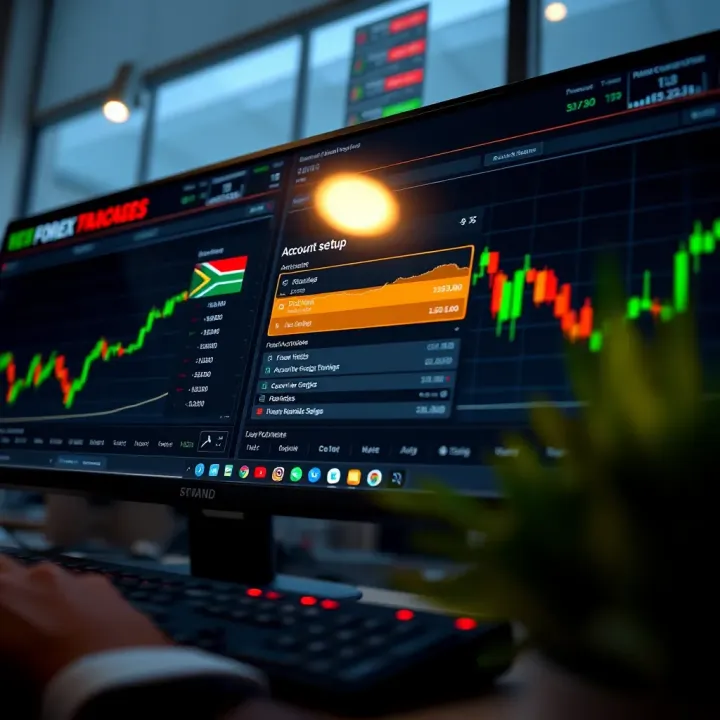
Before you start trading, choosing the right forex broker and understanding the account setup process makes all the difference. The broker you pick will be your gateway to the currency markets, so setting up and verifying your trading account properly ensures a smooth and secure start.
Most South African forex brokers require you to provide proof of identity and address in line with RICA (Regulation of Interception of Communications and Provision of Communication-Related Information Act) and FICA (Financial Intelligence Centre Act) regulations. This process involves submitting copies of your ID book or passport alongside a recent utility bill or bank statement. These steps are there to prevent fraud and money laundering, and help protect your funds. For example, a broker like IG or CM Trading will typically guide you through uploading these documents during registration.
Funding your account securely is equally important. South African brokers generally accept methods like EFT (Electronic Funds Transfer) from your local bank, credit or debit cards, and sometimes e-wallets like Skrill or Neteller. Choosing a secure and traceable deposit method ensures your money arrives safely and complies with anti-fraud standards. Avoid brokers pushing you to use obscure payment options that don’t protect your money or make withdrawals difficult. You might transfer funds from an FNB or Standard Bank account directly via EFT — this is widely accepted and transparent.
Almost all reputable brokers offer demo or practice accounts that use virtual money. These accounts let you build your trading skills without risking a cent. If you're new to forex or testing a new strategy, demo trading simulates real market conditions and familiarises you with the trading platform. For instance, you can open a demo account with Saxo Bank or Plus500 and experiment freely, sharpening your decision-making before committing real cash.
Risk controls are essential once you move to live trading. Tools like stop-loss orders help contain potential losses by automatically closing a trade at a set price. Managing your leverage carefully is vital since high leverage magnifies both profits and losses. Sticking to sound risk management rules prevents blowing your trading account quickly. Remember, even seasoned traders use position sizing and limits to protect their capital — it's not about making money fast but preserving it steadily.
Getting your account verified and funded the right way, plus honing your skills with demo accounts, lays a solid foundation. Combine this with disciplined risk management, and you'll trade with more confidence and control.
Starting well paves the way for better trading outcomes and keeps you in the game longer, no matter the market twists and turns.
Choosing a reliable forex broker is a key step in your trading journey. Many newbie traders jump in without fully checking who they're dealing with, only to find themselves tangled up in issues that could have been avoided. Understanding common pitfalls helps you sidestep costly errors and protects your investments.
Unrealistic promises and high-pressure sales tactics often indicate brokers you should steer clear of. For example, if a broker guarantees huge returns with little to no risk or pressures you to deposit money immediately, this is a red flag. No broker can promise consistent profits; the forex market is volatile and unpredictable. Such tactics are designed to trap inexperienced traders, so it’s best to walk away rather than fall for quick-money schemes.
Lack of clear regulation or suspicious complaints is another warning sign. A legitimate broker operating in South Africa will usually be registered with the Financial Sector Conduct Authority (FSCA) or an equivalent global regulator if international. If a broker’s website lacks transparent licensing information, or you find repeated complaints about withdrawal delays or account freezes, these are serious concerns. Protect your funds by choosing brokers with clean records and verifiable regulation.
How to research brokers effectively involves more than reading the first website you click. Start by checking the FSCA register for South African brokers or reputable global regulators like FCA, ASIC, or CySEC for international ones. Look for details on customer fund protection and dispute resolution mechanisms. Don’t hesitate to contact the broker yourself to ask practical questions about trading conditions or account management.
Evaluating user feedback and experiences can give you real insight into a broker’s reliability. Look beyond marketing reviews and check independent forums or review sites for honest trader reports. Pay special attention to how brokers handle complaints and whether issues remain unresolved. Positive feedback on quick withdrawals, responsive customer support, and platform stability means a lot. Balance the voices; one bad review alone doesn’t tell the whole story, but a pattern of negative experiences should raise caution.
Taking the time to spot these warning signs and conduct thorough research protects you from falling victim to scams or poor service, keeping your forex trading experience safe and smoother.
Discover how to pick the best forex trading school in South Africa 🇿🇦. Learn about courses, costs, accreditation, and tips to start trading confidently 📊.
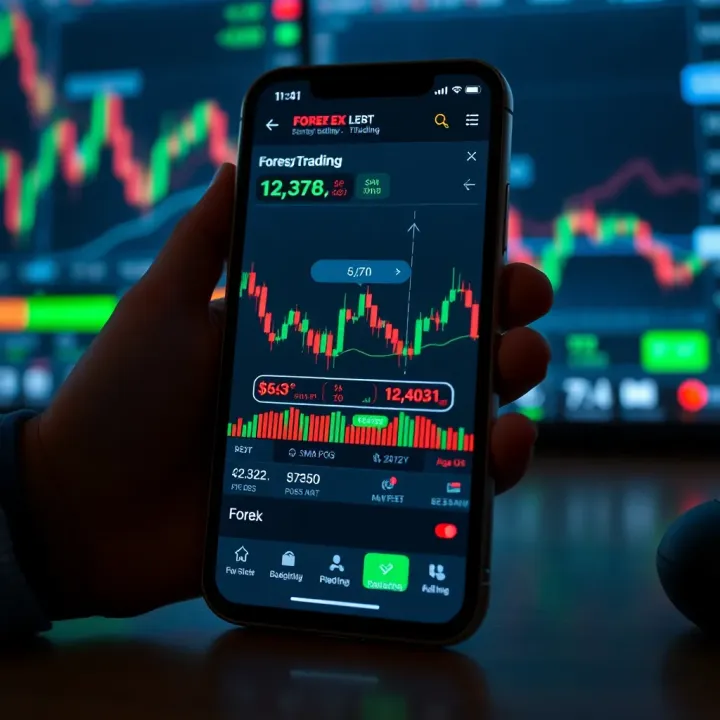
Choose the best free forex trading app for South Africa 🇿🇦. Discover features, ease of use, trusted brokers, and security tips to trade confidently 📱💰.

Explore free forex trading opportunities in South Africa 🌍 including demo accounts, learning tools, and tips to trade without upfront investment safely and smartly.
Discover tailored forex trading strategies for South African traders 🇿🇦. Learn foundational tactics, advanced methods, and smart risk management to boost your trading game. 💹💡
Based on 11 reviews