

Global Forex Trading Explained for South Africans
💱 Get a clear view of global forex trading! Learn market basics, currency pairs, strategies, risks, and rules tailored for South African traders.
Edited By
Edward Mason
Choosing the right trading app can make a world of difference for investors and traders alike, especially in a market as diverse and fast-moving as South Africa’s. The landscape is packed with options, ranging from user-friendly platforms ideal for beginners to sophisticated systems tailored for active traders and professionals.
It's tempting to pick a popular app based on hype, but a few key factors should guide your decision. Consider the app’s security features, costs, ease of use, the range of available assets, and how well it adapts to your trading strategy. Costs can sneak up quickly in the form of hidden fees or unfavourable spreads. For example, an app might seem cheap but charge a hefty fee for withdrawing funds locally.

South African users also need to pay attention to currency handling and whether the platform supports Rand (ZAR) transactions without excessive conversion charges. Local regulations and agreements, such as compliance with the Financial Sector Conduct Authority (FSCA), can ensure an added layer of protection.
A trading app isn’t just a tool — it’s your gateway to the markets. Prioritise security and cost transparency before features or flashy interfaces.
The range of trading instruments matters too. While some platforms focus mainly on shares, others offer access to forex, bonds, exchange-traded funds (ETFs), or cryptocurrencies. If you’re into diversified portfolios, you want an app that covers all these bases without needing to hop between multiple platforms.
Look closely at the app’s interface and mobile experience. A cluttered layout can slow your decision-making in fast markets. Many South African users prefer apps that load quickly despite network fluctuations, especially outside urban centres.
Lastly, consider customer support and educational resources, vital for both new and experienced traders. Some apps provide tutorials, webinars, or dedicated account managers, which can be a real help when navigating volatile times.
In the sections ahead, we’ll break down these features in detail and point to some apps that do well in the South African context. This will help you spot the best options for your personal or professional trading journey.
Identifying the best trading app means looking beyond flashy graphics or popular names. It’s about finding an app that combines usability, asset variety, and strong security to fit your trading style and protect your investments. These key qualities determine not only how easily you can trade but how well the platform supports your decisions and safeguards your data.
Ease of navigation is essential. A cluttered or confusing layout can waste valuable time, especially when markets move fast. Imagine trying to execute a trade during a sudden market swing but fumbling through multiple menus. A top trading app organises information clearly, making it quick to find stocks, view charts, or place orders without second-guessing where to click.
Customisable dashboards add another layer of practicality. Traders have varied strategies; some want to focus on a watchlist, others on in-depth chart analysis, or news alongside price data. Being able to rearrange widgets, colour-code assets, or set alerts tailors the experience and helps traders stay efficient and focused. For example, an investor in Johannesburg may customise their dashboard to show local JSE stocks alongside global ETFs.
Mobile and desktop compatibility matters greatly in today’s hybrid world. Traders often need quick access on the go, yet also benefit from the detailed view desktops offer during serious analysis. The best apps operate smoothly across devices without losing key features or performance. This flexibility ensures you’re not stuck at your desk to keep pace with the markets.
The variety of tradable assets shapes your opportunities. Stocks, ETFs, and bonds form the backbone for many portfolios. Look for apps offering both local shares listed on the JSE and international options, enabling easy diversification. Access to ETFs, which bundle multiple assets, offers broad exposure with less hassle.
For those interested in currencies and raw materials, forex and commodities trading can enrich your portfolio. A good app provides real-time currency pairs and commodity prices (like gold or oil), letting you seize chances during economic shifts. South African traders might particularly watch the rand (ZAR) against the US dollar or euro for import/export risks.
Cryptocurrency options have become a must-have feature. Not all apps offer a wide range here; some limit users to Bitcoin and Ethereum, while others include altcoins and stablecoins. Consider your appetite for crypto volatility and ensure your chosen app supports secure and straightforward crypto trading.
A reliable trading app safeguards your information and funds through strong encryption and data protection protocols. This means your passwords, personal details, and financial data are shielded from hackers. Look for apps that use 256-bit encryption, the industry standard.
Beyond technical security, compliance with financial authorities ensures the platform operates within legal frameworks. For South African users, FSCA (Financial Sector Conduct Authority) regulation brings peace of mind that the app is held to strict standards.
Finally, user authentication processes like two-factor authentication (2FA) add extra protection against unauthorised access. This step requires you to verify login attempts through a second device or method, providing a crucial barrier against cyber threats.
The best trading app isn’t just about bells and whistles—it’s the one that fits your needs, keeps your data safe, and provides diverse assets to grow and protect your portfolio efficiently.
Understanding the cost structures and fee transparency of a trading app is critical before committing your money. These factors directly affect your overall returns and trading experience. Clear insight into fees helps prevent surprises that could eat into your profits, particularly for active traders or those new to the market.

One key consideration is whether the app offers free trades or charges per-trade fees. Free trades sound attractive but can sometimes come with trade-offs, such as wider spreads or less favourable execution prices. For example, some platforms might advertise R0 commissions but widen the spread on forex or stock trades to recoup costs. Meanwhile, apps charging a flat fee per trade provide clearer pricing, which can benefit investors who trade less frequently and value transparent costs.
Hidden charges are where many traders get caught out. Beyond commissions and spreads, watch for fees like inactivity charges, withdrawal fees, or charges for accessing real-time data. Some South African platforms might charge a monthly maintenance fee or additional costs for depositing with certain methods. Always scrutinise the fine print, since these seemingly small fees add up, especially over time or with larger investments.
Many traders underestimate how minor fees and spreads can erode returns, making fee transparency just as important as headline commissions.
Minimum investment requirements vary between apps and influence accessibility. Some platforms allow you to start with as little as R100, ideal for beginners or those testing the waters. Others set higher minimums, such as R1,000 or more, which might suit more serious investors. Knowing these thresholds helps avoid initial disappointment and ensures your trading plan matches the platform’s minimums.
How you get money in and out matters, too. Trusted trading apps offer multiple deposit and withdrawal options — like EFTs from South African bank accounts, debit or credit cards, and instant EFT services such as Ozow. Accessibility and speed matter; long withdrawal processing delays or cumbersome deposit processes can frustrate traders. Always check whether the platform supports Rand-denominated accounts and allows smooth transfers between your investment and everyday banking.
Transparent, straightforward cost structures paired with convenient deposit methods make a good trading app much easier and cheaper to use. Understanding these details upfront can save you headache and protect your gains over the long haul.
When choosing a trading app, South African users face unique considerations that influence their experience and security. The local financial landscape, regulatory environment, and currency specifics all play a part. Selecting an app that suits these regional needs can help avoid complications and ensure smoother transactions.
South African trading platforms often offer clear advantages, especially when it comes to banking integration. They are usually compatible with local bank accounts like FNB, Standard Bank, or Capitec, which means deposits and withdrawals run more smoothly and usually faster. For example, apps like EasyEquities support Rand-denominated trading, allowing users to invest without worrying about currency conversion costs or delays.
Another benefit is better alignment with South African market hours and access to local instruments like JSE-listed stocks or government bonds. Local apps also tend to understand the regional tax requirements and automatically provide relevant documentation, which simplifies tax submissions with SARS.
For those interested in broadening their portfolios beyond the JSE, many trading apps offer access to international markets such as the New York Stock Exchange or London Stock Exchange. This opens doors to global companies and ETFs that diversify investments significantly.
Even South African apps increasingly offer this cross-border access, sometimes partnering with international brokers. However, users should check fees carefully, as trading foreign stocks often involves currency conversion charges and additional costs. Also, the availability of international assets can vary widely, so it's important to verify whether the app meets your global investment needs.
The FSCA regulates financial service providers in South Africa, including trading platforms. Choosing an app authorised by the FSCA ensures the platform meets minimum standards for transparency, fairness, and operational soundness.
Trading on FSCA-approved apps means you're protected under consumer protection laws, and fraud risks are generally lower. In practice, this means the app must follow clear protocols for handling your funds and personal information. So, always look for FSCA compliance as a baseline for safety.
The Protection of Personal Information Act (POPIA) governs how companies manage personal data, critical for trading apps that hold sensitive user details. An app that follows POPIA practices actively protects your data from misuse or breaches.
Similarly, the Financial Intelligence Centre Act (FICA) requires financial institutions to verify customer identities to prevent money laundering and fraud. Trading apps must comply with FICA by performing proper verification steps like document checks and verification against watchlists.
These acts not only secure your information but also support the integrity of South Africa's financial system, making compliance an essential factor when choosing your trading app.
In summary, considering the benefits of local banks, access to international markets, and strict adherence to South African regulations will guide you in finding a trading app that fits your needs safely and effectively.
The quality of tools and features offered by a trading app can make a huge difference in how effectively you manage your investments. Whether you're a seasoned trader or a newcomer, having smart, accessible tools at your fingertips helps you make informed decisions quickly. In South Africa's dynamic markets, where factors like loadshedding or currency fluctuations can affect trades, these tools become even more valuable.
Real-time market data is a must-have feature in trading apps. It means the app updates stock prices, forex rates, or commodity values instantly, reflecting market changes as they happen. This immediacy helps you act fast, whether you’re sniping a good buy or cutting losses before a drop worsens. For example, if you notice a sudden dip in the JSE Top 40, you want your app to catch that instantly, not with a delay that might cost you.
With charting and technical analysis, you get visual tools to identify patterns and trends in asset prices. These charts can display moving averages, support and resistance levels, or RSI indicators right on your app. Popular platforms like EasyEquities or Plus500 include these features to help you gauge when prices might rise or fall, even without following the news. For many, well-designed charting tools reduce guesswork and sharpen trading strategies.
News feeds and expert commentary add another layer of insight. Some trading apps integrate curated news updates or expert articles that highlight market-moving events or upcoming earnings reports. For instance, a headline about a change in SARB's interest rate policy could affect rand forex pairs or bond yields. Apps that provide this context alongside your portfolio make monitoring easier and more complete.
The availability of live support can save you time and frustration when technical glitches or account questions come up. Whether you prefer a quick chat, phone call, or email, reliable customer service ensures you’re not left in limbo during crucial moments. In South Africa, where internet connectivity might fluctuate, being able to reach a support agent swiftly is a practical advantage.
Lastly, tutorials and demo accounts are vital, especially for traders still building confidence. Tutorials break down complex concepts into manageable steps, often using South African examples like trading in Naspers shares or managing a balanced portfolio in rands. Demo accounts let you practise with virtual funds before risking real money. This hands-on learning helps mitigate early mistakes and build a solid foundation.
Good tools and dependable support turn a trading app from just software into a strategic partner in your investment journey.
Having these features shows the app isn’t just about placing trades; it's designed to equip you to trade smarter, protect your capital, and grow your portfolio sustainably.
Understanding popular trading apps worldwide provides insight into what features and services top platforms offer. These apps often set the standard for security, user experience, and asset variety. By exploring global leaders, South African traders can identify options that align with their needs while keeping an eye on innovations or practices that local apps might adopt.
Leading trading apps such as Interactive Brokers, eToro, and TD Ameritrade distinguish themselves through a combination of advanced technology and user-friendly design. For example, Interactive Brokers offers access to over 135 markets globally with competitive fees, appealing to active traders and institutions alike. eToro is known for its social trading features, where users can follow and copy the trades of experienced investors, a useful tool for beginners or those learning new strategies. Meanwhile, TD Ameritrade provides extensive educational resources and an intuitive interface, making it popular among both novices and seasoned traders.
These apps generally support multi-asset trading, real-time data, custom alerts, and comprehensive analysis tools. Their mobile apps replicate desktop functionality closely, helping users execute trades and monitor portfolios on the go. Broadly, these platforms invest heavily in security measures and regulatory compliance, factors that contribute to their strong reputation.
Popularity often reflects an app's reliability and customer satisfaction. Interactive Brokers, for instance, boasts millions of users worldwide and consistently ranks highly for its trading capabilities and responsive support. Positive user reviews frequently highlight the seamless integration of global markets and fair pricing models.
User feedback also points out areas for improvement, such as interface complexity, which some beginners find intimidating. eToro receives praise for its community and social experience but sometimes criticism for spreads and withdrawal fees, indicating the importance of understanding fee structures alongside features. Overall, large market presence and diverse user reviews help traders weigh the practical pros and cons before committing.
For South African users, trading platforms that integrate smoothly with local banking systems such as FNB, Standard Bank, Nedbank, and Absa offer a clear advantage. Platforms like EasyEquities and IG Markets allow deposits and withdrawals through South African banking channels, reducing delays and additional charges typically incurred when transferring funds internationally.
This compatibility ensures that users can fund their trading accounts without hassle, maintain control over their cash flow, and avoid lengthy foreign exchange processes. It also means that transaction histories, which are important for tax and record-keeping, remain clear and straightforward.
Trading in South African Rand (ZAR) instead of foreign currencies can save costs on conversion fees and reduce exposure to exchange rate fluctuations. Apps like EasyEquities specifically cater to this by offering Rand-denominated accounts and access to both local and international stocks.
This feature is particularly valuable for retail investors who want to avoid complex forex management while benefiting from diversification. It also supports easier tax reporting and compliance with South African financial regulations. When choosing a trading app, checking if it includes Rand options can simplify your investment process significantly.
Choosing a trading app that balances global reach with local convenience is key for South African investors. Prioritise platforms that marry cutting-edge features with practical support for Rand transactions and local banks to make your trading experience smoother and more efficient.
💱 Get a clear view of global forex trading! Learn market basics, currency pairs, strategies, risks, and rules tailored for South African traders.
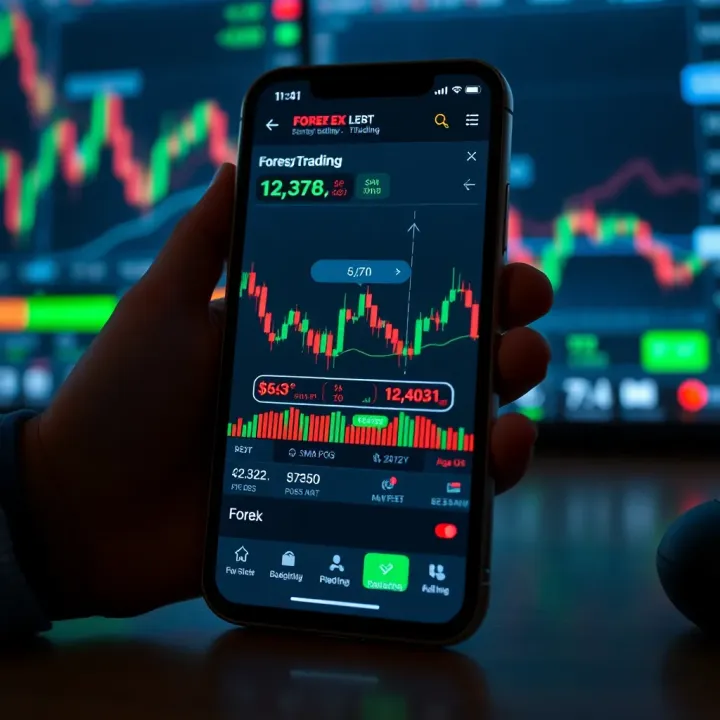
Choose the best free forex trading app for South Africa 🇿🇦. Discover features, ease of use, trusted brokers, and security tips to trade confidently 📱💰.

Learn how forex trading systems work, key components, and risk tips to improve your trades in South Africa 🌍📈 Practical guide for smart decisions!

📚 Explore forex trading schools: types, courses, skills, pros & cons, plus tips to pick the right program and keep learning beyond classes. 💹
Based on 10 reviews