
Simple Forex Trading Tips for South African Beginners
📈 Learn practical forex trading strategies for beginners in South Africa. Master key concepts, risk management, and steps to trade smarter and safer with confidence.
Edited By
Isabella Walker
Starting out in forex trading in South Africa can be a bit overwhelming, especially when choosing the right trading app. With so many options flooding the market, each promising seamless services and quick profits, it helps to know what really matters. You want an app that’s not just flashy but practical and suited to local needs.
South African traders face unique challenges compared to their counterparts overseas. Things like the strength of the rand, local regulations, and the availability of payment options on the platform play a big role. Not every app is geared towards these realities, so picking one that ticks your boxes can determine your trading experience.
Security is non-negotiable when trading forex — your funds and personal details must be protected by strong measures. Look out for apps regulated by recognised authorities, such as the Financial Sector Conduct Authority (FSCA) in South Africa.
User interface and ease of use are just as crucial. As a beginner, you’ll want an app that doesn’t bury you under complicated jargon or endless charts. Some platforms offer demo accounts, letting you practise before putting real money in — a great way to learn without risk.
Another factor is cost. Transaction fees, spreads, and deposit or withdrawal charges can eat into your profits without you even realising. Compare costs among several apps to find the best fit for your budget.
Lastly, look at additional features like educational resources, alert systems, or the range of forex pairs available. Some apps provide local currency accounts, making it simpler to deposit and withdraw straight in rand, avoiding unnecessary currency conversion fees.
By keeping these points in mind, you’ll be well equipped to start trading on a platform that’s trustworthy, fits your skill level, and handles local challenges effectively.
Getting a grip on forex trading basics is key before choosing the right app. Forex trading means buying and selling currencies, aiming to profit from changes in exchange rates. For example, swapping US dollars (USD) for South African rand (ZAR) when the rate seems favourable, hoping to sell back later at a higher rand price. This market operates 24/5 globally, so timing and strategy matter.
Forex trading isn’t just about guessing if a currency will rise or fall. It involves analysing economic indicators, geopolitical news, and market sentiment. Take the South African Reserve Bank’s interest rate announcements — these can cause the rand to swing sharply. Beginners must understand concepts like leverage, which can amplify profits but also losses. For instance, using leverage of 1:50 means you control R50,000 worth of currency with just R1,000.
Effective forex trading requires keeping an eye on spread (the difference between buying and selling price), pip values (smallest price movements), and risk management techniques such as stop-loss orders to limit potential losses. Without this foundation, even the best app won’t help you much.
Mobile apps put foreign exchange trading right in your pocket. In South Africa, where reliable broadband isn’t everywhere and loadshedding disrupts power, an app on your cellphone offers flexibility and convenience. You can check live rates and place trades while waiting at the robot or during your lunch break at work.
Apps also often come with tools for beginners—real-time charts, educational content, and quick access to support. Plus, some allow you to trade directly in rand, avoiding currency conversion hassles. For example, apps like IG or AvaTrade have interfaces tailored to local needs and regulatory compliance, giving South African newbies peace of mind.
Remember, a good forex trading app is a partner that supports your learning curve and keeps you connected to the market without fuss.
Overall, understanding what forex trading involves and why mobile apps suit the South African context helps you make a wiser app choice. You’ll be trading smarter, not just faster.
When you're starting in forex trading, picking the right app can make or break your experience. Not all apps are created equal—some offer more value, ease of use, and security than others. So, what should you look out for? This section breaks down critical features to help you find an app that's not just flashy but functional and trustworthy.
A simple, clear interface matters more than you might think. If you’re a beginner, confusing menus or cluttered screens will only add to the stress. Look for apps with clean layouts and intuitive controls—think of it like choosing a car with straightforward dashboard controls rather than one full of confusing buttons you’ll never use. For example, apps like MT4 (MetaTrader 4) and IG’s mobile platform are known for easy navigation, making entry-level trades smoother.
Some apps only offer the major pairs like USD/ZAR or EUR/USD, while others provide access to a wider selection, including exotic pairs. Having a broader range means you can tailor trades to your strategy or take advantage of less crowded markets. Local traders might appreciate apps that list South African Rand pairs prominently, due to lower spreads and relevance to their cash flow.
Trading forex isn’t just clicking buy and sell; you need ongoing learning. Look out for apps that bundle tutorials, demo accounts, market analysis, and news feeds. These features help you test trades without risking funds and keep you up to speed on market trends. Apps like Plus500 and AvaTrade often include educational content accessible within the interface, so you can brush up on skills and test strategies.
Your money and data need firm protection. Choose apps regulated by recognised authorities such as the Financial Sector Conduct Authority (FSCA) in South Africa or global bodies like the FCA (UK) or ASIC (Australia). Regulation ensures minimum standards on client protection and transparency. Also, check for security features like two-factor authentication and encryption. A reputable app will make these clear.
Hidden fees and unpredictable spreads can eat into your earnings. Beginners should compare apps based on clearly stated commissions, overnight fees, and spreads—the difference between buy and sell prices. Apps that provide live updates on spreads and break down their fee structures upfront save traders from nasty surprises. For instance, some platforms charge zero commission but widen spreads, while others keep spreads low but add commissions. Understanding these trade-offs is vital.
Always remember: With forex trading, small costs add up quickly. Transparent pricing helps you manage your investments more confidently and avoid unexpected costs.
Choosing an app that ticks these boxes will give you a solid foundation as you learn the ropes. The next step, of course, is picking one that fits your style and budget. But without these core features, your trading journey can get quite rough.
Choosing the right forex trading app is a big deal for beginners in South Africa. The app you pick doesn’t just affect how easy it is to trade, but also how safe your money is, and what kind of support you get. Popular apps tend to have better reliability, localised service, and features tailored for South African traders. This means you can make informed trades without getting tangled in overly complex systems.
Several forex trading apps are popular among South African users, each with particular strengths. For instance, IG Markets offers a well-regulated platform with competitive spreads and access to a wide range of currency pairs. Then there’s XM, known for its beginner-friendly interface and educational tools, which help new traders get their feet wet. Avatrade also gets a mention for supporting deposits and withdrawals in South African Rand (ZAR), reducing currency conversion hassles.
Local availability matters because it affects not just the payment options but also the customer support and compliance with South African trading regulations. Apps that allow you to fund your account directly with Rand are especially convenient, avoiding extra charges for currency conversion.
When comparing forex apps, start with the spreads—the difference between buying and selling rates. Lower spreads mean your trades become profitable sooner. For example, IG Markets tends to offer tighter spreads but may charge slightly higher commissions. XM provides zero commissions but with spreads that are a bit wider.
Beyond fees, check if the app offers demo accounts where you can practise risk-free. Solid customer support is another factor; look for apps with responsive teams reachable via live chat or local toll-free numbers. Reliable educational resources also help beginners avoid common trading slip-ups.
Here’s a quick comparison:
IG Markets: Tight spreads, good regulation, supports ZAR, multi-platform access
XM: Demo accounts, educational content, zero commission, slightly wider spreads
Avatrade: User-friendly, supports ZAR deposits/withdrawals, global regulation
South African traders must look out for apps regulated by authorities recognised locally, like the Financial Sector Conduct Authority (FSCA). Trading on an FSCA-licensed platform means your money has a higher level of protection, which is critical given how some global forex apps bypass regulation.
Licence by the FSCA ensures the app complies with South African laws and keeps your funds segregated—this is your first line of defence against fraud.
Some globally available apps might not be FSCA-regulated but operate under licenses from other countries like Australia or the UK. While these can be safe, they might not offer the protections South African traders expect, including dispute resolution locally.
Moreover, South African Reserve Bank (SARB) regulations restrict forex trading on unapproved platforms to prevent illegal capital outflow. Using an app that respects these rules avoids penalties and hassles.
In short, when choosing your forex trading app, make sure it’s well-suited for South African users, offers good support, and complies fully with local rules. This foundation helps beginners trade with confidence while focusing on learning the markets rather than worrying about security or hidden fees.
Starting forex trading through an app involves more than just downloading it. You need to set up your account properly, handle your South African Rand (ZAR) deposits and withdrawals, and understand how to place your first trade while managing risk. These steps build a strong foundation for confident and safe trading.
Account setup begins with registration, which usually requires personal details aligned with South African regulatory requirements. As part of the Financial Intelligence Centre Act (FICA), brokers must verify your identity to comply with anti-money laundering laws. You’ll typically need to provide a copy of your South African ID or passport, proof of residence like a municipal bill, and sometimes a recent bank statement. This step can slow you down initially but safeguards both you and the platform. For example, apps like IG and Plus500 ask for these documents during registration to confirm your identity.
Depositing and withdrawing funds in ZAR not only saves on conversion fees but also helps you monitor your trading capital clearly. Most South African-friendly forex apps support local bank transfers, credit/debit cards, and popular digital wallets like PayFast or SnapScan. When funding your account, watch out for minimum deposit amounts and withdrawal times, as these can vary widely. For instance, depositing with a South African bank might clear within 24 hours, but international card payments can take longer. Keeping transactions visible in Rand means you’re less likely to misjudge your available funds or trade size.
Once your account is active, the next step is placing your first trade. Start small to get comfortable. Most apps provide demo accounts where you can practise without risking real money—use this feature first. When you move to a live trade, understand how to use tools like stop-loss orders, which automatically close trades to limit losses, and take-profit levels to lock in gains. For example, if you buy USD/ZAR at R18, setting a stop-loss at R17.50 limits your loss to 50 cents per rand.
Always manage risk by only investing money you can afford to lose and by setting clear limits for each trade.
Remember to review your trading strategy regularly and stay updated on local and global economic factors impacting currency pairs. Proper setup, fund management, and cautious trading help beginners avoid costly mistakes right from the start.
Navigating forex trading apps as a beginner in South Africa comes with its own challenges and risks. Knowing how to avoid common mistakes, manage your investment wisely, and steer clear of unlicensed platforms is essential. These tips help you trade smarter and keep your hard-earned Rand safe.
Many beginners rush in without fully grasping how forex trading works, often leading to costly errors. One typical mistake is overtrading—placing too many trades without a clear strategy. It’s like trying to handle a dozen braais at once; you end up burnt, and disappointed. Instead, focus on a few currency pairs you understand well, such as USD/ZAR or EUR/USD, and take the time to learn market signals and trends.
Another common trap is neglecting risk management. Beginners often ignore stop-loss orders or use high leverage, hoping for big wins. This can wipe out your account quickly, especially with the rand’s volatility. Take it slow, set sensible stop-loss levels, and see each trade as a calculated step, not a gamble.
Successful trading is less about chasing profits and more about preserving your capital. Decide from the start how much money you can afford to lose—never invest money needed for daily living expenses. For example, if you have R10,000 set aside, consider using no more than 1-2% of that on any single trade.
Using your app’s built-in limit and notification features helps keep your emotions in check. Many apps allow you to set daily loss limits and alerts when your account balance falls below a set point. These boundaries safeguard you against rash decisions when the market gets choppy. Think of this as a personal financial fence, preventing you from stepping into danger.
South Africa’s markets are regulated by the Financial Sector Conduct Authority (FSCA), and trading with licensed brokers and platforms is crucial for your safety. Unlicensed platforms may promise high returns but often lack transparency and adequate security, putting your money at risk.
Watch out for apps that:
Lack clear disclosure of licensing information
Offer unusually high leverage without explaining the risks
Request up-front fees without clear terms
If you suspect an app is operating without FSCA approval, report it immediately to the FSCA. This helps protect others and keeps the market fair. Remember, reputable platforms like IG, Plus500, and AvaTrade are authorised and provide mechanisms to ensure your deposits and trades are secure.
Sticking to licensed apps, managing risk, and avoiding common mistakes are the cornerstones of a safer and more rewarding forex trading experience in South Africa.
Start small, stay sharp, and always double-check the credentials of the app and broker before parting with your money. Forex trading can be profitable when approached with care and respect for the market’s complexities.
📈 Learn practical forex trading strategies for beginners in South Africa. Master key concepts, risk management, and steps to trade smarter and safer with confidence.
🤑 Learn forex trading strategies perfect for beginners in South Africa! Master risk management, market indicators, and tips to boost your trading skills today. 📈
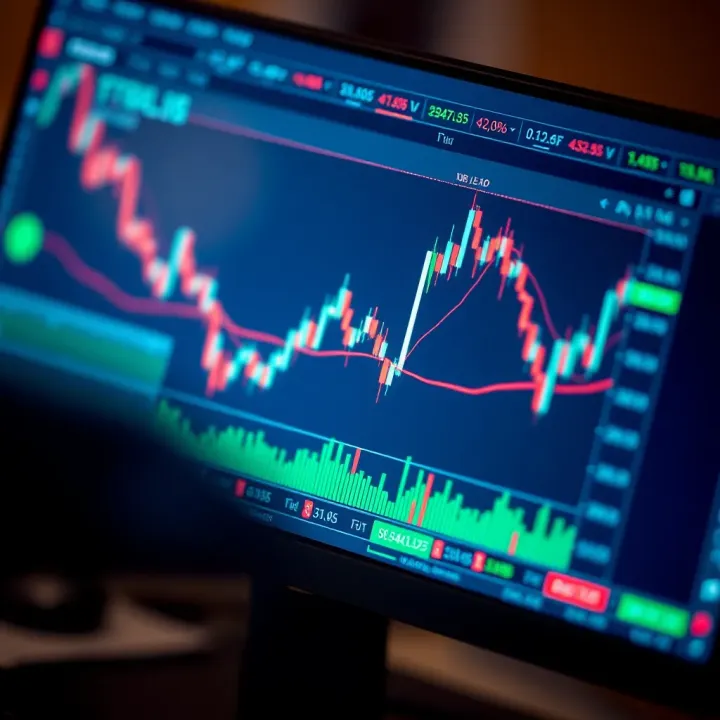
💡Ready to trade Forex in South Africa? Get clear tips on market analysis, risk management, and choosing brokers. Start smart and avoid common mistakes today!
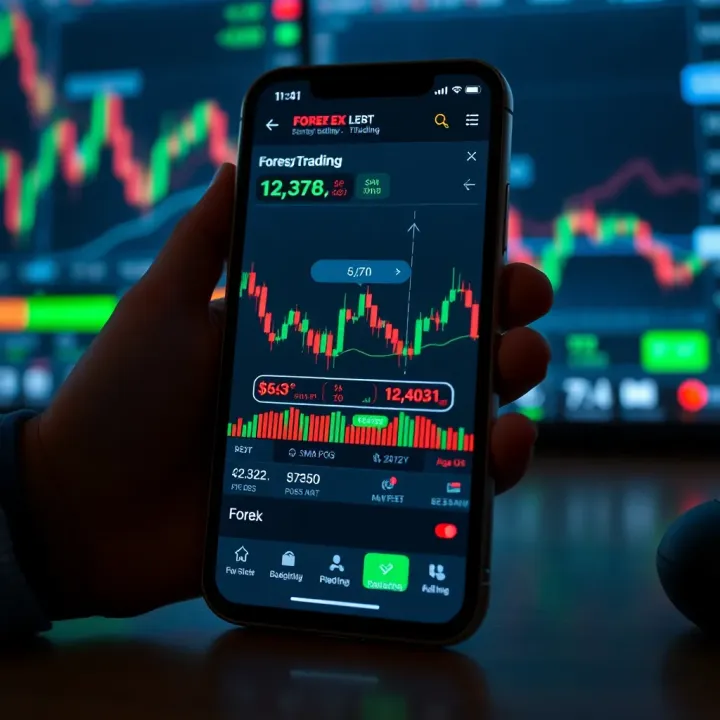
Choose the best free forex trading app for South Africa 🇿🇦. Discover features, ease of use, trusted brokers, and security tips to trade confidently 📱💰.
Based on 13 reviews