

Free Forex Trading Options in South Africa
Explore free forex trading opportunities in South Africa 🌍 including demo accounts, learning tools, and tips to trade without upfront investment safely and smartly.
Edited By
Liam Edwards
Starting out in forex trading can be a bit like navigating a busy joburg robot without clear directions—chaotic if you don't have the right guidance. Picking the right forex broker in South Africa is key to trading success and protecting your hard-earned cash.
Forex brokers act as the bridge between you and the global currencies market. However, not all brokers give you a fair deal or maintain clear, legal standards. That's why understanding how to choose a trustworthy broker, especially in the South African context, is vital.
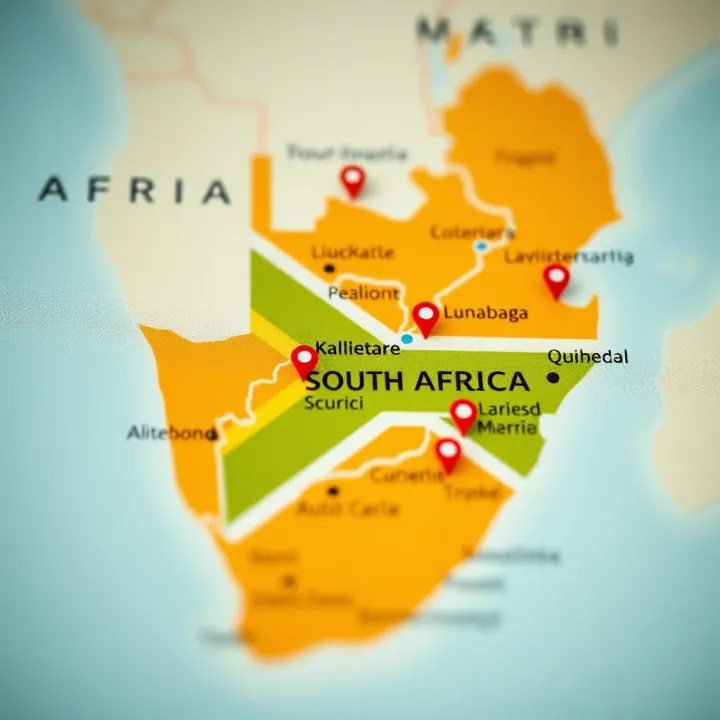
Regulation matters most. The Financial Sector Conduct Authority (FSCA) oversees forex brokers operating here. Choosing an FSCA-regulated broker means you can hold them accountable if things go sideways. Unregulated brokers may promise tempting offers, but the risks are high—like chasing a potjie ghost.
Know your costs upfront. Brokers often charge spreads (the difference between buying and selling prices), and sometimes commissions. For example, XM South Africa offers variable spreads starting at 1 pip, while others might charge fixed spreads but add commissions. Always check for hidden fees on withdrawals or inactivity.
Platform ease and support count. Your broker’s trading platform should be user-friendly, stable, and compatible with your devices. Good customer support during trading hours, especially for South African traders, is a bonus. Think about whether they offer local payment methods like EFT or e-wallets popular here.
"Choosing a solid forex broker isn’t just about fees or flashy platforms—it’s about safety, transparency, and practical support you can rely on during your trades."
In this article, we’ll break down how South African traders can spot reliable brokers, understand the local regulatory environment, compare key features, and get the best value for their money. The aim is to give you clear, practical advice tailored to our unique market, so you can trade smarter from the word go.
Choosing the right forex broker is a key step for any trader in South Africa. These brokers act as the link between you and the global forex market, where currencies are bought and sold. If you don’t understand their role, features, and the types of brokers available locally, you risk choosing a partner that doesn’t suit your trading style or might even put your funds at risk.
Forex brokers provide the platforms and tools that allow traders to access the market. Their job is to execute your buy or sell orders for currency pairs accurately and efficiently. Apart from trade execution, they offer access to charts, market news, and technical indicators tailored to help you make informed decisions. For example, a broker might offer MetaTrader 4 (MT4) or MetaTrader 5 (MT5), two popular platforms worldwide, as well as their own custom apps.
In South Africa, brokers also handle local regulatory requirements, such as adherence to the Financial Sector Conduct Authority (FSCA) rules, and offer payment options suited to the local market like EFTs or card payments through South African banks. This ensures you can fund and withdraw your account with relative ease.
Remember, a broker isn’t just a middleman; they shape your entire trading experience. Their technology, fees, and security measures directly impact your outcomes.
South African traders typically encounter a few common broker types:
Market Makers: These brokers set the prices you trade on by acting as the counterparty to your trades. While they may offer fixed spreads and steady execution, conflicts of interest can arise since they profit when clients lose.
Electronic Communication Network (ECN) Brokers: ECN brokers provide direct access to the interbank forex market, matching orders among various liquidity providers. This generally means tighter spreads and more transparent pricing, though commissions might be involved.
Straight Through Processing (STP) Brokers: STP brokers send orders directly to their liquidity providers without intervention. They usually combine features of market makers and ECN brokers, passing trades on but sometimes widening spreads slightly.
For instance, a South African trader wanting low-cost trades might prefer an ECN broker like HotForex, while a beginner wanting simple execution with fixed costs may opt for a market maker broker regulated by the FSCA.
Understanding these differences helps you decide which broker suits your strategy, whether you prefer tight spreads, specific platforms, or local client support. Knowing what a broker does and the type it falls into gives you better control over your trading outcomes in South Africa's forex space.
Regulation plays a big part when choosing a forex broker, especially in South Africa where trust and safety are top concerns. Without a clear regulatory framework, traders can easily become targets for scams or fall victim to reckless trading platforms that don’t protect their funds. Understanding how the system works locally helps you pick a broker that sticks to the rules and looks out for your interests.
The Financial Sector Conduct Authority (FSCA) is at the heart of protecting South African traders. They oversee and regulate all financial services, including forex brokers, ensuring these companies meet strict standards on transparency, capital requirements, and fair treatment of customers. If a broker is FSCA-regulated, it means they’re required to keep client funds separate from their own and must report regularly on their practices. For example, an FSCA-regulated broker must follow guidelines that make it difficult to disappear with your money or manipulate trades.
Regulation gives you a safety net. When a broker sticks to rules set by a reliable authority like the FSCA, it lowers the risk of fraud and financial mismanagement. Traders get confidence that their deposits are protected, disputes will be handled fairly, and the broker operates transparently. This is especially important in volatile markets like forex, where prices can swing wildly and the temptation to take shortcuts is high. Plus, local regulators understand the specific risks in the South African market, such as the impacts of exchange rate fluctuations or issues with local payment methods.
Dealing with unregulated brokers is risky business. These companies often operate outside legal frameworks, so there’s no formal recourse if things go wrong. For example, some may refuse withdrawals, charge hidden fees, or use manipulative software to trigger losses. Without regulation, there's no guarantee client funds are safe, and customer complaints can end up falling on deaf ears. A practical red flag is when a broker offers unusually high leverage with minimal account checks—it’s typically a sign they're after quick money rather than long-term clients.
Always check the FSCA’s roster to confirm a broker’s status. Regulatory oversight isn’t a silver bullet, but it’s your best defence against shady operators.
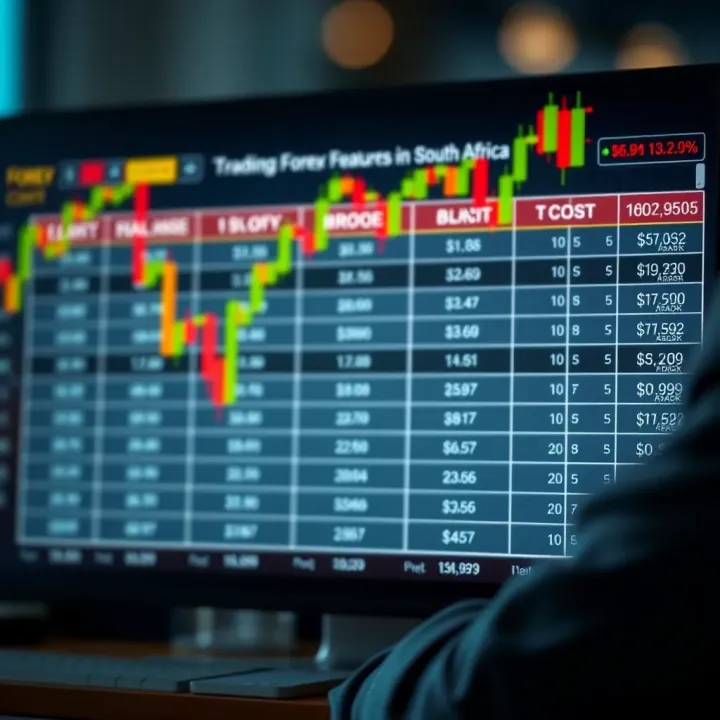
In summary, regulation and safety measures aren’t just formalities but essential factors to weigh before committing your money to a forex broker. They provide peace of mind and help you trade in a more secure environment tailored to the South African context.
Choosing the right forex broker can make all the difference when trading in South Africa. It’s not just about the fees or where a broker is based, but also how their services fit your trading style and needs. Below are key features you should closely examine before committing your funds.
Your broker’s trading platform is your gateway to the forex market. It needs to be reliable, user-friendly, and packed with the tools you need. Many South African traders prefer platforms like MetaTrader 4 and 5 for their robust charting, automated trading options, and compatibility with multiple devices. But some brokers also provide bespoke platforms that offer localised support or advanced features like integrated news feeds or risk management tools. Test a platform’s demo account to see if it suits your workflow and technical skills.
How much you pay per trade matters. Brokers usually charge through spreads (the difference between buying and selling price), commissions, or both. Spreads can be fixed or variable, and tight spreads are better for active traders. However, lower spreads might come with higher commissions or inactivity fees. For example, if a broker charges a 1.5 pip spread on the USD/ZAR pair without commission, that’s often more cost-effective for smaller trades compared to a broker with a 0.5 pip spread plus commission. Always weigh the total cost per trade and watch out for hidden fees like withdrawal charges.
Brokers often offer multiple account types – standard, mini, micro, or Islamic accounts. Each type caters to different trading scales and preferences. For newcomers, a micro account with a low minimum deposit (sometimes as low as R100) is ideal for learning without risking too much cash. Experienced traders might go for standard accounts with higher leverage and advanced features. Check the minimum deposit carefully; international brokers sometimes require R10,000 or more, which isn’t practical for many.
Good customer service should not be underestimated. When technical issues or questions pop up, having quick access to support can save you substantial frustration — or even losses. Look for brokers that offer 24/5 live chat, phone, and email support, preferably with a South African presence or support hours that overlap with your trading schedule. Some brokers have bilingual support teams understanding local nuances, which can be a real advantage.
Choose a broker not just by the numbers but by how comfortable you feel trading with them every day, factoring in usability, costs, account flexibility, and support.
These features serve as a checklist to evaluate brokers. Matching them to your trading goals helps prevent surprises and empowers you to trade confidently in South Africa’s forex market.
Choosing the right forex broker is key for South African traders aiming to navigate the currency markets safely and efficiently. With options ranging from local, FSCA-regulated companies to international brokers willing to accept South African clients, it's vital to understand the differences, benefits, and risks involved before committing your funds. Each choice affects your trading experience, costs, and security, so careful comparison is essential.
South African traders benefit from brokers regulated by the Financial Sector Conduct Authority (FSCA), which enforces rules designed to protect clients and maintain market integrity. Local brokers such as IG Markets South Africa and EasyEquities offer FSCA regulation, meaning they must keep client funds separate from operational accounts and adhere to periodic audits.
Trading with FSCA-regulated brokers provides a layer of security against fraud and malpractice. For example, these brokers are required to have disaster recovery procedures in place, which can be critical during periods of high market volatility or technical disruptions. Though their range of currency pairs might be smaller than international brokers, local regulatory compliance often outweighs this drawback for many traders.
Many South Africans also consider established international brokers like IG Markets UK, Saxo Bank, or FXPro, which open accounts to non-residents, including South Africans. These brokers often offer a wider range of forex pairs, advanced trading tools, and higher leverage options compared to domestic providers.
However, the trade-off lies in regulation; these firms may be regulated by entities such as the Financial Conduct Authority (FCA) in the UK or Cyprus Securities and Exchange Commission (CySEC). While these are respected regulators, the lack of local jurisdiction means South African traders might face challenges in dispute resolution or enforcing client rights.
International brokers typically support multiple payment methods, including credit cards and international bank transfers, but deposit and withdrawal times can vary and fees might be higher. Also, they may not always provide localised customer support or offer trading accounts in Rand, which could expose traders to currency conversion costs.
When weighing brokers, consider not only the regulatory status but also tangible features such as spreads, commissions, platform reliability, and customer service responsiveness. For instance, while some local brokers charge slightly higher spreads, they may offer more responsive customer support during South African trading hours.
User reviews and forum discussions often highlight issues like hidden fees or sluggish withdrawal processes that official specifications might not detail. Engaging with local trader communities or review platforms can help uncover such practical challenges.
Remember, the cheapest broker isn't always the best. Prioritise security, transparency, and support alongside cost savings.
It's also worth testing demo accounts from shortlisted brokers to assess platform usability and execution speeds. Your choice could make a significant impact on your profitability and peace of mind when trading forex in South Africa.
In the end, selecting a forex broker involves balancing regulation, offerings, costs, and user experience. For South Africans, a broker regulated by the FSCA typically presents less risk, but international brokers may appeal to those seeking broader markets and advanced tools, provided they understand the implications.
Starting forex trading involves a few clear steps that help you trade safely and confidently. Paying attention to registration, funding, and risk management will save you headaches later and keep you on solid footing in volatile markets.
Begin by choosing a broker regulated by the FSCA for added peace of mind. Registration usually requires your South African ID, proof of address (like a municipal bill or bank statement), and sometimes a bank statement to verify your source of funds. This verification is not just bureaucracy—it protects you from money laundering and fraud, and it ensures the broker can comply with local laws. For example, many brokers now require a selfie holding your ID to confirm your identity.
Remember, completing this process promptly avoids delays when you want to start trading. Brokers like IG Markets or Plus500 often have systems that make this quick and straightforward.
Funding your trading account should be simple and secure. South African traders typically use EFT (electronic funds transfer), credit or debit cards, or services like PayFast. EFT is common because it’s straightforward and supported by most local banks, though it can take 24 to 48 hours to clear. Credit cards clear faster but watch fees.
Some international brokers accept PayPal or Skrill, but these can add extra conversion costs. A local example is FNB’s real-time EFT, allowing near-instant deposits. It’s wise to fund your account with an amount you’re comfortable risking and to keep your trading and banking transactions neatly separate.
Forex trading isn’t a get-rich-quick scheme—it requires discipline and smart money management. Set realistic expectations; many traders lose money in their first months. Use stop-loss orders to limit losses and never risk more than 1-2% of your trading capital on a single trade.
Diversify your trades rather than putting all your eggs in one basket. Also, stay aware of news affecting the rand and other currencies you trade. South African economic data, issues like loadshedding, or global factors such as oil prices can suddenly move the market.
Starting small and learning the ropes while managing risk carefully will make your journey in forex trading more sustainable. Discipline beats luck every time.
By following these steps—registering conscientiously, funding efficiently, and managing risks smartly—you put yourself in the best position to navigate the forex market in South Africa with confidence.
Navigating the world of forex trading in South Africa comes with its own set of challenges. Understanding these pitfalls and how to steer clear of them is vital, especially when you're dealing with complex markets and sometimes uncertain brokers. By becoming aware of common risks, you can protect your capital and enhance your trading success.
Forex scams remain a serious problem locally. Scammers often promise guaranteed returns or use high-pressure tactics to lure traders into fake schemes. Be cautious of brokers that are not registered with the Financial Sector Conduct Authority (FSCA). For example, some offshore entities might advertise aggressively but lack accountability under South African law. Always verify a broker’s licence through the FSCA website before depositing funds.
Watch out for brokers who delay withdrawals or impose unusual fees. Legitimate companies are transparent about their terms. Also, beware unsolicited cold calls or messaging offering secret trading strategies – these are classic red flags. If a deal sounds too good to be true, it usually is.
The forex market’s volatility can quickly erode gains if you’re not careful. Currency pairs can swing widely during local events like elections or global shocks. Traders should use risk management tools such as stop-loss orders to protect investment.
Costs eat into profits, so consider spreads, commissions, and overnight financing charges when selecting a broker. For instance, some brokers might offer razor-thin spreads but add hidden fees elsewhere. Transparent fee structures help you plan trades better.
Using demo accounts before going live can also help you understand the broker’s trading platform and cost implications without risking real money.
South African Revenue Service (SARS) expects you to declare profits from forex trading as income for tax purposes. Keep thorough records of all trades and related expenses. This includes timestamps, transaction amounts, and copies of statements.
Whether you are classified as a trader or investor affects your tax liability. Traders might deduct related expenses, while investors generally only report capital gains. Consulting a tax professional familiar with SARS guidelines is wise. That way, you comply fully and avoid surprises during the tax season.
Staying alert to scams, managing market risks, and understanding tax rules forms the backbone of a safer trading experience in South Africa. Being well-prepared helps you navigate the forex market with confidence.
By keeping these challenges in mind, you’ll avoid common traps and place yourself in a stronger position to trade forex wisely and successfully.
Explore free forex trading opportunities in South Africa 🌍 including demo accounts, learning tools, and tips to trade without upfront investment safely and smartly.
Discover tailored forex trading strategies for South African traders 🇿🇦. Learn foundational tactics, advanced methods, and smart risk management to boost your trading game. 💹💡
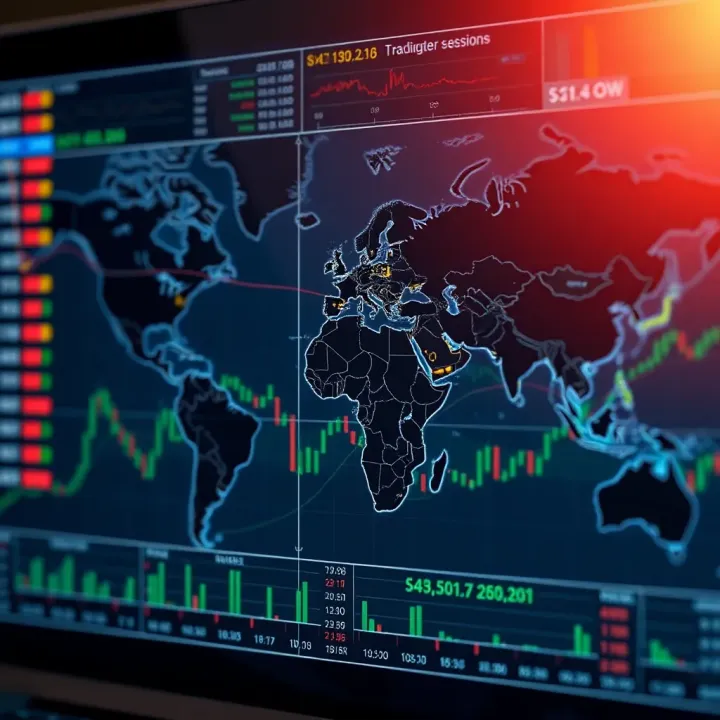
📊 Learn how global forex trading sessions align with South African time, plus get tips and downloadable PDF schedules for smarter trading decisions.

📈 Explore top forex trading seminars in South Africa! Learn benefits, key details, and legal tips to choose the best live forex events near you.
Based on 15 reviews