

Understanding Hammer Candlestick Patterns
🔨 Explore hammer candlestick patterns in trading to spot market reversals. Learn formation, variations & tips for smarter technical analysis strategies.
Edited By
Sophie Morgan
Candlestick charts provide a visual way to track price movements over a set period, widely used in trading stocks, forex, and commodities. Each candlestick represents four key data points: the opening price, closing price, highest price, and lowest price within the timeframe. This simple yet powerful format helps traders quickly assess market sentiment and potential turning points.
Unlike traditional line charts, candlestick charts show the price range and direction clearly. Traders rely on patterns formed by one or more candlesticks to predict future price moves. For example, a long green (or white) candlestick typically signals strong buying pressure, while a long red (or black) one points to selling pressure.
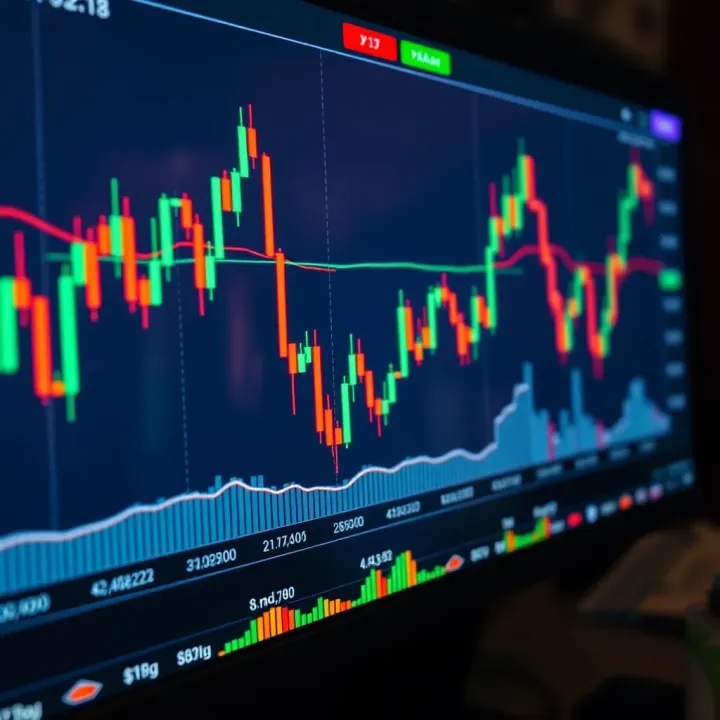
Understanding these patterns can highlight moments when prices might reverse or continue trending, enabling better-informed decisions. Patterns such as the hammer, shooting star, or engulfing candles indicate distinct scenarios of buyer or seller dominance.
Candlestick charts blend price action with psychology: they map not just numerical data but the emotions and decisions of traders over time.
In the South African trading context, recognising these patterns is especially useful when paired with local factors like loadshedding disruptions or economic news from SARS and the Reserve Bank. Traders should always consider pattern reliability and confirm signals with volume data or other technical indicators.
Show open, close, high, and low prices visually
Help identify market trends and reversals
Patterns form through combinations of candlesticks
Require confirmation for trading decisions
Mastering candlestick charts equips you with a sharper tool for spotting opportunities whether trading on the JSE or forex platforms. Keep in mind patterns don’t guarantee outcomes but improve the odds of making timely trades.
A solid grasp of these basics sets the foundation for diving into specific patterns and their practical use in real-world trading scenes across Mzansi and beyond.
Candlestick charts simplify complex market data into a visual format that's easy to read at a glance. By representing key price points within a specific timeframe, traders can quickly identify market trends, shifts in momentum, and potential reversals. This section breaks down the essential components of a candlestick and explains how they combine to provide practical insights for trading decisions.
Each candlestick summarises four price points: the opening price when trading starts for the chosen timeframe, the closing price when it ends, and the highest and lowest prices reached during that period. For example, on a daily chart, the candlestick captures the prices from when the market opens in the morning till it closes in the evening. Tracking these points helps traders understand the range of price movements and the market’s direction within that single timeframe.
This data is crucial when evaluating volatility: a wide gap between the high and low indicates a lot of price swing, while a narrow range suggests relative stability. For instance, a share that opened at R120, peaked at R130, dropped to R115, and closed at R125 shows more enthusiasm and buyer interest compared to one that moves just a couple of rands.
The body of the candlestick represents the gap between the opening and closing prices. If the close is above the open, the body is usually filled with a bullish colour; if below, a bearish colour. Bodies tell you whether buyers or sellers controlled the market more during that timeframe.
The thin lines extending from the body—called wicks or shadows—show the high and low points outside the open and close. Long wicks can reveal rejected price levels, hinting at potential support or resistance. For example, a long upper wick suggests sellers pushed the price down after a rally, signalling hesitation or a possible reversal.
Bullish candles show that price closed higher than it opened, indicating buying pressure, while bearish candles mean price closed lower, implying selling pressure. Recognising these quickly helps traders gauge market mood. For example, a cluster of bullish candles during an uptrend confirms buyer strength.
Using these colours consistently lets traders react faster to changing market conditions. If bearish candles start appearing after a long bullish run, it might be a sign to tighten stops or consider taking profits.
Most platforms use green or white for bullish candles and red or black for bearish ones, but this can vary. Some traders prefer customised colours to suit their preferences or visual comfort.
Knowing the colour scheme your platform uses is essential to avoid confusion. For instance, if you switch from one platform where bullish candles are blue to another where they’re green, it’s easy to misread signals if you’re not careful.
Candlestick patterns will look different depending on the timeframe. A one-minute intraday candle captures price moves within sixty seconds, useful for scalpers or day traders, while daily or weekly candles apply to swing traders or investors with a longer view.
For example, a hammer pattern on an hourly chart might suggest a short-term bounce, but on a weekly chart, the same pattern could point to a deeper market turning point.
Your choice of timeframe depends on your trading style and goals. If you’re a day trader in Johannesburg’s volatile market, focusing on 5- or 15-minute candles might help you spot quick moves during active hours. Conversely, if you’re investing for the long haul, weekly or monthly charts give a clearer picture of overall trends without daily noise.
Matching the candlestick timeframe to your strategy ensures you’re interpreting patterns correctly, so you don’t end up chasing noise or missing significant signals.
Understanding these fundamental elements of candlestick charts sets the foundation for accurate pattern recognition and sound trading decisions, especially when customised to South African market specifics.
Single candlestick patterns might seem simple, but they offer powerful clues about market sentiment and potential price movements. By recognising these patterns early, traders can make more informed decisions without waiting for complex signals to develop. This section focuses on a few critical patterns — Doji, Hammer, Hanging Man, Spinning Top, and Marubozu — all of which frequently pop up on South African and global charts.
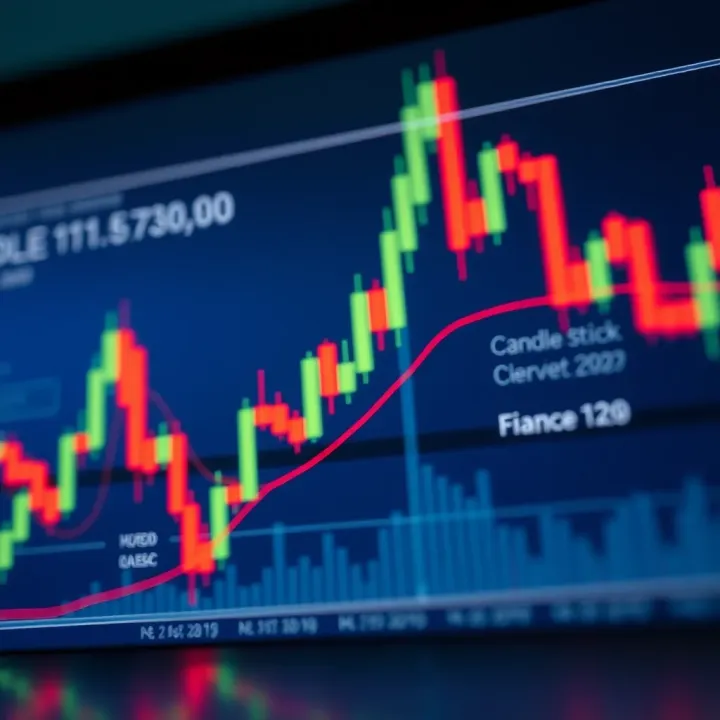
A Doji forms when the opening and closing prices are virtually the same, resulting in a candlestick with a very small or nonexistent body. Despite their modest appearance, Dojis convey significant information. They signal moments when buyers and sellers are at a standstill, cancelling each other out.
Doji candles often represent market indecision. For instance, if a Doji appears after a strong rally on the JSE, it can indicate hesitation among buyers, suggesting that the upward momentum might be stalling. However, on their own, they aren’t solid signals to buy or sell — their context within the broader price movement or alongside other indicators matters. In practice, spotting a Doji could encourage traders to tighten stop-losses or watch for confirmation patterns before acting.
The Hammer and Hanging Man both share a small body near the top and a long lower wick. This shape reflects a price that dipped significantly during trading but closed near the open. The difference lies in their position: a Hammer appears after a downtrend, while a Hanging Man emerges after an uptrend.
Hammers often hint at a bullish reversal; the long lower wick shows buyers stepping in to push prices back up, suggesting selling pressure might be easing. Traders might see this on a share like Sasol, signaling a buying opportunity if followed by confirmation. Conversely, the Hanging Man warns that a bullish trend may be nearing its end, implying sellers tested the waters. Confirmation through a lower close in the following session often strengthens the signal. Neither pattern guarantees a reversal but acts as an alert to potential change.
Spinning Tops have small bodies with long upper and lower wicks, reflecting uncertainty and a balance of power between buyers and sellers during the session. Marubozu candles, in contrast, have no wicks at all and a full body, showing strong conviction. A bullish Marubozu opens at its low and closes at its high, while bearish Marubozu opens high and closes low.
Spinning Tops suggest a pause or indecision in the current trend, often signalling potential reversals or consolidations, much like encountering a taxi rank on a busy street—everyone’s waiting for the next move. Marubozu candles show clear momentum: a bullish Marubozu indicates buyers dominated the session, pushing prices firmly higher, while a bearish Marubozu signals strong selling pressure. For local traders, seeing a Marubozu on the Top 40 index after load-shedding news might hint at decisive market reactions.
Spotting these single candlestick patterns equips traders with early warnings and valuable insights. But remember, always consider them alongside volume and broader market context to avoid falling for false signals.
Multiple candlestick patterns involve two or more candles acting in combination to signal potential shifts or confirmations in market trends. These patterns give traders a clearer picture compared to single candles, as the interaction between candles shows stronger market sentiment. For example, spotting a bullish engulfing pattern often suggests buyers are gaining control, signalling a possible reversal or uptrend.
By understanding these patterns, traders can anticipate market moves more confidently, helping with timing entries or exits. In volatile or fast-moving markets like South Africa’s, recognising these signals early pays off, especially when combined with volume or other indicators.
An engulfing pattern happens when a candle completely covers the previous candle’s real body. A bullish engulfing pattern forms when a small bearish candle is followed by a larger bullish candle that "engulfs" it. This suggests buying pressure is overwhelming sellers, often hinting at a reversal from a downtrend.
Conversely, a bearish engulfing appears when a smaller bullish candle is overtaken by a larger bearish candle, signaling sellers taking charge. This can indicate an impending dip, so it’s a red flag for traders holding long positions.
Because engulfing patterns show rapid shifts in market control, they’re particularly useful for spotting reversals. For instance, after several days of price decline, a bullish engulfing candle often marks the turning point where buyers step in. On the other hand, a bearish engulfing after an upward trend warns that selling might drag prices down.
That said, it’s wise to confirm engulfing patterns with other tools like volume spikes or support and resistance levels. In Johannesburg Stock Exchange (JSE) trades, this helps avoid false signals amid occasional market noise.
The morning star pattern appears over three candles and signals a bullish reversal. It starts with a long bearish candle, followed by a smaller candle (which gaps down or has a small body), and finishes with a strong bullish candle closing well into the first candle’s range.
The evening star is the opposite, indicating a bearish reversal. It begins with a strong bullish candle, then a small-bodied candle signalling indecision, and finally a bearish candle closing deep into the first candle's body.
These star patterns highlight transitions in market sentiment from bears to bulls or vice versa. They are especially reliable in markets experiencing consolidations or pauses, helping traders decide when to shift from selling to buying or prepare for downturns.
In South African contexts, such as when trading commodity shares sensitive to global changes, morning and evening stars can flag key moments to adjust positions ahead of broader market shifts.
The three white soldiers pattern consists of three consecutive long bullish candles with each closing higher than the last, indicating persistent buying pressure. This signals a strong uptrend, often after a period of weakness.
Oppositely, three black crows are made up of three successive long bearish candles, each closing lower than the previous, suggesting aggressive selling and a strong downtrend setting in.
Volume acts as a reality check for these patterns. High volume during the formation of three white soldiers confirms strong buyer interest, reinforcing the trend's legitimacy. Similarly, elevated volume during three black crows reinforces the bears’ conviction.
Without volume backing, such patterns might be less dependable. Traders on the JSE or local commodity markets should watch volume changes alongside these candles to filter out false starts and understand genuine trend momentum.
Multiple candle patterns like engulfing, morning and evening stars, or the soldier and crow formations offer practical insights for timing trades and assessing trend strength.
These patterns should always be viewed alongside other market data and local context to improve prediction accuracy and manage risks effectively.
Candlestick patterns can give you a good snapshot of market sentiment, but relying solely on them won't cut it in today's complex markets. Practical tips help bridge the gap between theory and real-world trading, ensuring these patterns serve as one tool among many. Especially for traders in places like Johannesburg or Cape Town, where market moves can be influenced by local factors, knowing how to use candlestick patterns alongside other indicators is key to making smarter decisions.
Moving averages and RSI are fundamental tools to pair with candlestick patterns. For example, a bullish engulfing candle near a rising 50-day moving average might confirm a stronger uptrend, giving you added confidence before entering a trade. Likewise, the Relative Strength Index (RSI) can highlight overbought or oversold conditions—say, a hammer pattern forms when RSI dips below 30, signalling a possible bounce from a deeply oversold state.
Using these indicators together can filter false signals from candlestick patterns alone. A marubozu candle might look promising, but if RSI is stuck in overbought territory, the rally may lack staying power. Combining moving averages and RSI helps balance momentum with price action, giving a clearer picture.
Volume confirmation is another vital piece to consider. Let’s say you spot a morning star pattern—a strong sign of reversal—on an intraday chart of a JSE-listed stock. If the volume surges during the formation of the final bullish candle, it points toward genuine buying interest rather than a fleeting move. Conversely, low volume might hint at a weak or unreliable pattern.
Volume spikes during candle patterns offer clues about the market’s commitment. South African stocks can sometimes have thin trading volumes compared to international peers, making volume analysis even more crucial to avoid getting caught in bogus signals.
Interpreting patterns in isolation is a classic mistake. Candlestick signals can mislead if you don't consider the broader trend or support and resistance levels. For instance, a hammer candle in a strong downtrend isn't a buy signal by default; the overall context must suggest a credible reversal. Ignoring this leads to premature entries or exits, which can cost you money.
Looking at patterns purely by shape without the bigger market picture is like reading a text message out of context—meanings can get lost or twisted.
Being cautious with low-volume stocks is especially relevant in the South African market where some shares or local funds trade sparsely. Patterns produced on low liquidity tend to be unreliable because a few trades can drastically move prices, distorting candle formations. Always check average daily volumes before trusting a pattern on thinly traded counters.
This helps avoid false breakouts or reversals that evaporate once bigger players stay on the sidelines. In contrast, blue-chip stocks like Sasol or Naspers usually offer cleaner, easier-to-read candlestick signals.
Considering local market volatility should shape how you use candlestick patterns here. The JSE often reacts sharply to political news, labour disputes, and Eskom loadshedding announcements. Such events can cause erratic price swings that mess with pattern validity.
Traders need to be flexible—tight stops might get triggered prematurely during turbulent days, and patterns that work well in calmer markets may fail amid sudden jolts. It is practical to combine technical signals with awareness of the local mood and economic climate.
Impact of economic events and exchange rate fluctuations also plays a big role. The value of the rand against major currencies can sway mining and export stocks, influencing candlestick patterns in unexpected ways. A bullish pattern on a resource share might coincide with a rand weakening, boosting profits, while the same pattern could fizzle when the rand strengthens.
Local economic data releases, such as inflation numbers from Stats SA or SARB repo rate decisions, often trigger sharp price actions. Understanding these linkages helps you avoid misreading patterns as purely technical moves when fundamentals are at play.
Effective trading using candlestick patterns requires balancing these patterns with other indicators and local market insights. Context is everything.
Use moving averages and RSI to support candlestick signals
Look out for volume surges confirming patterns
Avoid reading candles without broader trend context
Be wary of low-volume stocks distorting patterns
Adapt your approach for South Africa’s unique market conditions
Applying these tips will sharpen your chart reading and improve trade success chances in local markets.
Understanding the reliability of candlestick patterns is essential for making sensible trading decisions. While these patterns offer valuable clues about potential market moves, relying on them blindly can lead to poor outcomes. Traders must assess factors such as market context, volume, and recent price action to separate useful signals from noise. Without this careful evaluation, patterns may mislead, especially in volatile or illiquid markets common in South Africa.
Patterns don't exist in a vacuum; the larger market environment influences their significance. For example, a bullish engulfing pattern during a strong uptrend usually signals continued momentum, but the same pattern in a sideways or choppy market might not carry much weight. Local factors like economic announcements, exchange rate shifts or even Eskom loadshedding can create sudden volatility, affecting how reliable a pattern appears.
A practical tip is to cross-check candlestick signals against broader market trends or known events. Suppose a hammer candle appears after several days of declines in a JSE stock right before a budget speech. The pattern might indicate genuine buying interest, but if loadshedding suspends trading or volume is thin, the setup's strength is questionable.
Similarly, recognising false signals is key. False signals often arise during low-volume periods or when patterns form at awkward timeframes. For instance, a doji in a barely traded counter might hint at indecision, but without robust volume or confirmation from following candles, this ‘signal’ can lead one astray. In South African trading, checking for typical volume spikes and consistent price behaviour can help filter out such traps.
Being cautious and looking beyond the candle itself ensures you avoid costly mistakes from premature entries or exits.
Each candlestick pattern carries a statistical likelihood of predicting price moves based on past observations. Patterns like the morning star or engulfing candles have shown fairly reliable win rates when combined with volume and trend confirmation. However, the exact odds depend heavily on the market, timeframe, and asset tested.
In practice, pattern statistics help traders set realistic expectations. For example, a study might reveal that bullish engulfing patterns succeed around 65% of the time on the JSE’s Top 40 stocks over daily charts, but less so in smaller caps. This knowledge guides risk management and position sizing.
Combining patterns can improve accuracy. Spotting a morning star followed by a bullish engulfing pattern strengthens the case for a reversal, especially if volume rises and momentum indicators align. This layered confirmation reduces false positives and increases confidence in your trades.
To illustrate, a trader watching a Naspers chart might see a hammer candle on low volume—usually weak on its own—but then spot a subsequent bullish engulfing candle with a volume jump. Together, these signals suggest a better chance of an upward move than either pattern alone.
Assessing candlestick reliability by considering pattern context, market behaviour, and statistical evidence can markedly improve your trading outcomes in South Africa’s dynamic markets.
🔨 Explore hammer candlestick patterns in trading to spot market reversals. Learn formation, variations & tips for smarter technical analysis strategies.

📈 Learn how to spot high profit candlestick patterns with our practical guide. Improve your trading strategy by reading charts and identifying key setups effectively.

📊 Explore practical forex trading strategies with downloadable PDFs! Learn to apply and adapt tactics for smarter trades in South Africa's market.

Learn how forex trading systems work, key components, and risk tips to improve your trades in South Africa 🌍📈 Practical guide for smart decisions!
Based on 13 reviews