

Effective Fraud and Risk Management for SA Businesses
Protect South African businesses 🛡️ with proven fraud and risk management strategies. Learn detection, prevention, employee training, and tech tools today!
Edited By
Sophie Morgan
Business risk management is about spotting and handling threats that could disrupt your operations, dent profits, or tarnish your brand. For South African enterprises, this task goes beyond the usual global concerns. Unique factors like Eskom's load-shedding, shifting economic policies, and tight regulatory requirements need special attention.
Understanding risk isn't just about big disasters—it also means preparing for everyday bumps like cashflow shortfalls, supply chain delays caused by fuel price hikes, or changes in consumer demand during uncertain times. Companies that recognise these challenges early have a better chance of navigating them without heavy losses.
Efficient risk management is a constant process, not a one-off fix. It demands ongoing vigilance, clear planning, and the right tools tailored to South African market realities.
This guide focuses on practical approaches suited for local businesses, many of which juggle limited resources while facing external pressures. We'll explore core principles, types of risks, and everyday tools to help you plan ahead and protect your company.
Expect coverage on:
The multi-layered nature of risks South African firms encounter
Strategic steps to identify and assess these risks
How to apply risk controls that specifically address issues like power outages and regulatory compliance
Ways to use technology and insurance wisely
For traders, investors, brokers, and financial advisors, understanding how local risk factors affect businesses helps sharpen decisions and advice. This article aims to deliver useful insights grounded in South African economic, social, and regulatory contexts, steering clear of generic advice.
Starting with a solid grasp of the challenges you face, you can set up risk management processes that actually support growth and resilience in a demanding environment.
Business risk management is about spotting potential problems that could rattle your enterprise and having a plan to tackle them. For traders, investors, brokers, financial advisors, and analysts keeping an eye on South African companies, understanding this helps in gauging a firm’s resilience and long-term viability. After all, knowing what might trip up a business lets you assess the risks and opportunities with more confidence.
Business risks come in several flavours, but three categories stand out: operational, financial, and reputational risks. Operational risks cover the day-to-day issues like machinery failure, supply chain delays, or even staff shortages. Consider a manufacturing firm hit by power cuts during loadshedding — halting production and delaying orders, causing direct losses.
Financial risks involve unexpected costs, currency swings, or credit problems. A Cape Town exporter, for example, could face losses if the rand suddenly strengthens against the dollar, making their goods pricier overseas. Lastly, reputational risks relate to public perception — an event like a data breach or poor customer service can bruise a brand badly and hit sales harder than some operational glitches.
Unmanaged risks often snowball. Missing a single regulatory deadline could lead to hefty fines, while reputational damage may take years and lots of effort to repair.
Failing to manage these risks can severely disrupt your operations or, worse, tank your business. Take the example of a retail chain ignoring inflationary pressures; their cost base rises, but they don’t adjust pricing, squeezing margins until suppliers stop extending credit. Or think about reputational damage after a scandal that drives loyal clients away, which eventually forces closures.
Risk management takes on a distinct flavour in South Africa, thanks to an unpredictable mix of factors. Loadshedding still disrupts daily business life, inflation often runs higher than the global average, and a shifting regulatory landscape keeps businesses on their toes. Understanding these influences is key to crafting an effective risk strategy.
For instance, a financial advisor advising clients during periods of volatile inflation must weigh the impact on investment portfolios, cash flow, and client risk tolerance. Similarly, compliance with B-BBEE (Broad-Based Black Economic Empowerment) is not just a box-ticking exercise but a necessary condition for many government contracts.
Risk management isn't just about avoiding pitfalls. It’s a tool for ensuring that a business stays operational no matter what. By planning for load-shedding, inflation spikes or new tax laws, companies can keep trading and fulfilling commitments. This continuity also safeguards investor confidence and market value.
Being prepared means having backup power solutions, hedging against currency shifts, or building compliance checks into procedures. These measures build resilience, which stands you in good stead when shocks hit.
In short, understanding risk management helps you see how a business anticipates trouble and handles it — making the difference between sinking and staying afloat in South Africa’s bumpy economic terrain.
South African businesses operate in an environment marked by both internal and external challenges that affect their sustainability and growth. Understanding the nature of these risks helps traders, investors, brokers, and financial advisors anticipate issues and craft strategies that protect against losses.

High staff turnover can disrupt business continuity and raise recruitment costs, a significant concern especially for smaller enterprises in South Africa. For example, a retail chain in Gauteng might struggle to keep skilled cashiers and floor managers, which impacts customer service quality and sales. Skills shortages, particularly in specialised roles like IT or financial management, compound this by delaying project deadlines and increasing reliance on expensive consultants.
Inefficient processes can weaken a company's competitive edge. Take a manufacturing firm that relies on manual stock tracking; delays in updating inventory stats might cause either overstocking or stock outs, tying up capital unnecessarily. Technology breakdowns, such as server downtime or POS system failures, can halt transactions and frustrate customers, hitting the bottom line hard. Regular system maintenance and workflow optimisation are practical steps to sidestep these risks.
The South African rand's volatility poses a constant challenge for businesses engaged in imports or exports. For instance, a local importer of automotive parts might face sudden cost increases when the rand weakens against the US dollar. This unpredictability pushes companies to either hedge currency risk through financial instruments or adjust pricing frequently, both of which affect profit margins.
Staying on top of B-BBEE (Broad-Based Black Economic Empowerment) scores and SARS (South African Revenue Service) regulations adds a layer of complexity. Non-compliance not only risks penalties but may also exclude businesses from lucrative government tenders. For example, a construction firm without a compliant B-BBEE status could lose out on municipal contracts. Keeping dedicated compliance officers or consulting specialists proves beneficial here.
Eskom’s loadshedding schedules remain one of the biggest operational headaches for South African enterprises. Frequent power cuts force businesses to invest in backup generators or solar systems, increasing operating costs. A call centre in Durban, for example, might have to equip its facility with UPS (uninterruptible power supplies) to avoid call drops during outages. Beyond electricity, water shortages and transport disruptions also contribute to unpredictable operational risks.
Facing these risks head-on equips businesses to survive turbulence and capitalise on opportunities despite South Africa's unique challenges.
By recognising the specific risks present internally and externally, South African enterprises can build risk management frameworks tailored to their realities, making informed decisions that safeguard both assets and reputation.
South African enterprises face a unique set of challenges, from Eskom's loadshedding to fluctuating Rand values and shifting regulatory requirements. Practical approaches to managing these risks aren't just recommended; they're essential for survival and growth. By actively identifying, assessing, and mitigating risks, businesses not only dodge potential pitfalls but can also spot opportunities for resilience and innovation.
Before a risk can be managed, it must be identified clearly and assessed realistically. Tools like SWOT analysis (Strengths, Weaknesses, Opportunities, Threats) provide a straightforward framework to spot internal vulnerabilities and external threats. For example, a small retailer in Gauteng might recognise that loadshedding weakens their refrigeration systems (a threat) but that installing solar panels (an opportunity) could strengthen their offering.
Another practical tool is the risk register, which lays out risks systematically, often detailing the nature of the risk, its possible impact, and current controls in place. This living document helps keep the whole team aware and ready to respond at short notice.
Prioritising risks becomes crucial when resources are limited. Assessing risks based on their likelihood and impact helps focus efforts where they matter most. A logistics company, for example, may find that a vehicle breakdown (medium impact, high likelihood) requires more immediate attention than a rare and highly damaging cyberattack (low likelihood, high impact). This approach ensures action plans are both sensible and cost-effective.
Developing contingency plans and backup systems is one of the most practical safeguards. Businesses reliant on IT should have offline data backups and alternative communication channels ready for when power cuts disrupt normal operations. South African businesses with exposure to loadshedding often invest in generators or inverters to maintain critical processes during outages.
South Africa offers a range of insurance products tailored to local conditions. From business interruption insurance covering losses during unplanned downtime to specialised cover for transport businesses facing road disruptions, taking out appropriate policies can soften the financial blow when risks surface unexpectedly.
Finally, staff training and awareness are often overlooked but vital. Ensuring employees understand potential risks and know the steps to reduce them builds a risk-aware culture. For instance, regular workshops on cybersecurity best practices can help prevent common breaches, while safety drills can prepare teams for emergencies. This collective vigilance reduces the chance of risk incidents escalating.
Implementing these measures gives South African businesses a better chance to weather uncertainty and keep operations steady amid the many challenges faced locally.
By focusing on clear identification, sensible prioritisation, and hands-on mitigation, enterprises can take real control over their business risks rather than simply hoping for the best.
South African enterprises face a mix of risks—from economic swings to persistent challenges like loadshedding. In this context, using the right tools and technology isn’t just a luxury; it’s a necessity for sound risk management. Technology helps businesses keep a clear eye on potential threats and respond quickly when issues arise.
Risk management platforms tailored for SMEs offer a straightforward way for smaller businesses to track risks without overwhelming complexity. These platforms typically come with dashboards that show real-time updates on identified risks, helping managers stay alert to things like supply chain delays or sudden regulatory changes. For instance, a local wine producer could use such software to monitor shifts in export regulations or flag delivery disruptions caused by transport strikes.
Business continuity planning tools complement risk tracking by focusing on what happens after a risk event hits. They provide templates and checklists for creating response plans that keep operations running despite disruptions—whether it’s an Eskom blackout or unexpected staff shortages. Using these tools, a distributor can map out alternative routes or backup suppliers, ensuring deliveries continue smoothly.
Consulting with compliance and financial specialists helps businesses navigate South Africa’s often complex regulatory landscape, including SARS tax requirements and B-BBEE scorecards. These advisors bring deep knowledge on how to structure risk policies that meet both legal obligations and commercial goals. For example, an emerging tech company might discuss how to safeguard customer data under the Protection of Personal Information Act (POPIA) and align cybersecurity practices accordingly.
Support from industry bodies and chambers of commerce offers practical benefits through networking and specialised training on risk management tailored for local conditions. Organisations like Business Unity South Africa (BUSA) or sector-specific chambers can provide updates on changing legislation, offer advice on handling labour disputes, or facilitate crisis management workshops. For smaller businesses, these connections can be a lifeline, especially when facing region-specific issues such as municipal service disruptions.
Using technology alongside expert advice forms a solid backbone for risk management, especially within South Africa’s unique business environment. The combination ensures you’re not just reacting to risks but actively preparing for them.
Together, these tools and services make risk management a manageable and effective process. They help South African enterprises stay nimble and resilient despite the challenges on the horizon.
Building a risk-aware culture is more than ticking a box—it's about embedding a mindset throughout the organisation where every employee recognises the importance of spotting and managing risks. For South African enterprises, where challenges like loadshedding, fluctuating exchange rates, and changing regulations are a part of daily business, fostering this culture can mean the difference between surviving disruptions or falling behind.
Creating an environment where team members feel comfortable flagging risks early is essential. When employees at all levels are empowered to speak up, businesses can catch issues before they snowball. For example, a junior cashier noticing discrepancies in cash handling can prevent potential fraud if they report it promptly. It's practical to set up simple, anonymous channels for risk reporting, which also help build trust.
Holding routine meetings focused solely on risk assessment ensures the organisation stays responsive. These sessions allow different departments to share insights that might otherwise be overlooked. For instance, the logistics team might report anticipated delays due to planned municipal roadworks affecting deliveries, while finance flags foreign exchange risks. Keeping these meetings well-structured and time-efficient encourages ongoing participation without disrupting workflows.
Taking time to review incidents like supply chain hiccups or IT outages provides valuable lessons. A Gauteng-based manufacturer, for example, might realise that their backup generator failed during loadshedding because maintenance schedules were off. Understanding these root causes helps avoid repeating mistakes and reduces downtime.
Insights from past events should feed directly into refining policies and procedures. This might mean revising supplier contracts to include penalty clauses for late deliveries or implementing an automated system to monitor generator health. Regularly updating these practices keeps risk management dynamic and aligned with the evolving business environment.
Embedding a risk-aware culture isn't a one-time project—it's an ongoing commitment that turns risk management from a compliance task into a shared responsibility across the business.
By encouraging open communication and applying lessons learned, South African enterprises can tackle uncertainties head-on, protecting their operations and reputation over the long haul.
Protect South African businesses 🛡️ with proven fraud and risk management strategies. Learn detection, prevention, employee training, and tech tools today!
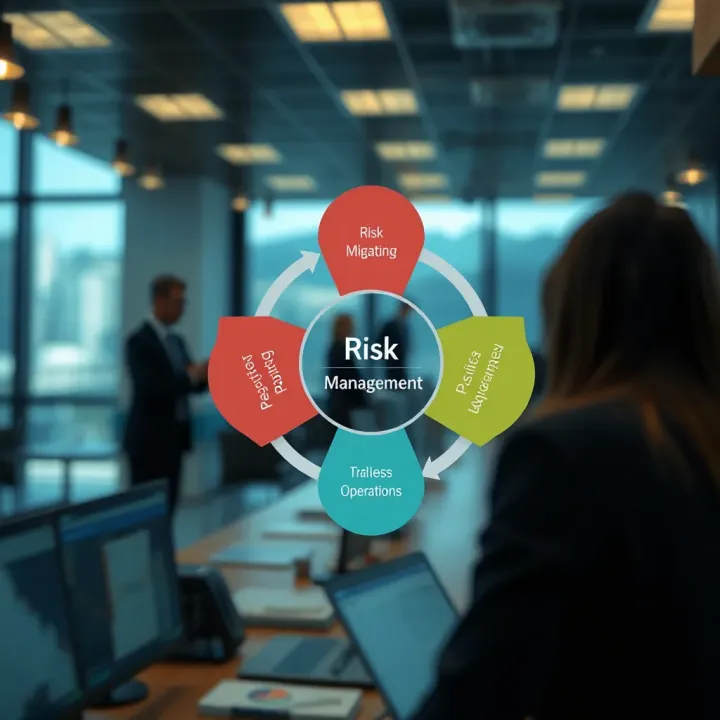
Explore how risk management identifies, assesses, and reduces business threats, guarding assets and boosting resilience for steady operations 📊🔒

🔍 Learn practical fraud risk management strategies designed for South African businesses to protect assets, ensure compliance, and build trust.
🔍 Discover why risk management is key to financial stability, compliance, and smooth operations. Get practical tips to tackle challenges and protect your business.
Based on 10 reviews