
Practical Forex Trading Strategies Explained
📊 Explore practical forex trading strategies with downloadable PDFs! Learn to apply and adapt tactics for smarter trades in South Africa's market.
Edited By
Henry Lawson
Binary trading and forex trading often pop up in conversations among South African traders looking to grow their investments. While both deal with financial markets, their approach, risk, and complexity differ quite a bit. Understanding these differences helps you decide which fits your trading style and tolerance better.
Binary trading involves predicting whether an asset’s price will rise or fall within a certain time frame, usually short-term. You don’t own the asset; you simply bet on price direction. The payoff is all or nothing — you either win a fixed amount or lose your stake. This makes binary trading attractive for those who prefer straightforward bets with clear outcomes and limited time commitments.
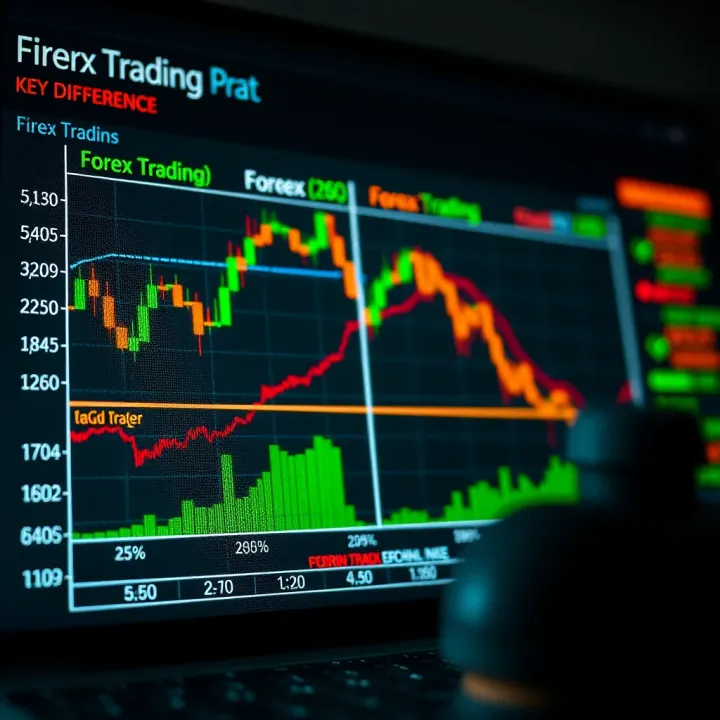
In contrast, forex trading is the buying and selling of currencies on the global market. Here, you actively manage positions, deciding when to enter or exit based on market analysis. The profit or loss depends on how much the currency moves, so it offers potentially unlimited gains but also bigger risks. Forex tends to suit traders comfortable with charts, indicators and a longer-term view.
In South Africa, where access to international financial markets has grown, both trading types offer routes to participate in global currency trends, but with distinct risks to keep in mind.
Ownership and Complexity: Binary trading is simpler — just call the direction. Forex involves owning currency pairs and requires more analysis.
Risk and Reward: Binary trading’s fixed return limits gains but also caps losses. Forex offers flexible profits but can expose you to bigger swings.
Time Horizon: Binary trades expire within minutes to hours. Forex positions can be held for days or longer.
For local traders, binary trading platforms are often easier to start with due to low minimum deposits (sometimes R100 or lower). However, beware rogue platforms lacking proper regulation. Forex trading demands familiarity with broker fees, spreads, and in some cases, complying with FICA (Financial Intelligence Centre Act) regulations.
Thinking about whether quick, straightforward decisions or more involved, research-heavy trading suits you best will guide your choice. This introduction sets the scene for a deeper look at how each market works, their risks and rewards, and how South African traders can navigate them safely.
Understanding how binary trading and forex trading function is key to making informed decisions in financial markets. Both offer opportunities for profit but differ significantly in mechanics, risk, and strategy, especially relevant for South African traders navigating these fast-moving markets.
All-or-nothing payout structure: Binary trading offers a straightforward proposition — you predict whether an asset’s price will rise or fall within a set period. If your prediction is correct at expiry, you receive a fixed payout, usually a percentage of your stake. But if you're wrong, you lose the entire amount invested. This all-or-nothing nature means the risk and reward are clear upfront, making it easier to understand potential outcomes compared to other trading types.
Typical trade durations and expiry times: Trades in binary options often last from as short as 60 seconds to an hour or sometimes longer. This short timeframe is appealing for traders looking to capitalise on quick market movements without holding positions overnight. Yet, it also demands swift decision-making and close market monitoring – not quite suited for everyone.
Common assets in binary trades: Binary options typically cover a variety of assets including major stocks, indices, currency pairs, and commodities like gold and oil. For example, a South African trader might bet on the Rand-Dollar (ZAR/USD) pair or the JSE Top 40 index. The limited asset range simplifies choices but can also restrict diversification.
Currency pairs and market operation: Forex trading involves buying one currency while simultaneously selling another, quoted in pairs like ZAR/USD or EUR/GBP. The forex market is vast and highly liquid, operating globally through a network of banks, brokers, and traders. Movements in these pairs reflect economic data, geopolitical events, and market sentiment.
Leverage and margin concepts: One major feature of forex is leverage, allowing traders to control bigger positions with a smaller capital outlay. South African brokers commonly offer leverage up to 1:100 or more, meaning your potential profits or losses are amplified. Margin is the minimum amount required to open or maintain a position. For example, controlling R100,000 position with R1,000 margin at 1:100 leverage. While leverage can boost gains, it also escalates risk — a tight margin call can wipe out your capital very fast.
24-hour trading and market sessions: Unlike stock markets, forex trading runs 24 hours a day, five days a week, reflecting the overlapping sessions in Sydney, Tokyo, London, and New York. This continuous operation means traders in South Africa can engage almost any time, taking advantage of market moves around the clock. The different sessions also mean liquidity varies, affecting spreads and volatility; for instance, the London session usually sees higher activity in ZAR pairs.
Both trading types demand distinct approaches. Binary trading suits those preferring fixed risk and quick outcomes, while forex requires navigating complex market forces and managing leverage prudently.
This knowledge forms the foundation for comparing the two styles, aligning strategies, risk management, and personal preferences with real market mechanics.
Grasping the risks and rewards tied to binary and forex trading is essential for anyone aiming to navigate these markets confidently. Knowing what you stand to gain or lose shapes your trading approach, helping you avoid costly mistakes and match your choices to your risk appetite. This understanding becomes even more crucial in South Africa, where market conditions and regulatory environments influence the dynamics.
Fixed risk and fixed return: Binary trading works on a simple premise—either you win a predetermined amount or lose your initial stake. This all-or-nothing payoff means you know upfront exactly how much you can gain or lose on a trade, making it easier to manage risks. For example, if you invest R500 on a binary option predicting the rise of the rand against the dollar, you might stand to gain R850 or lose the full R500, with no surprises beyond that.

Potential for quick losses: The downside is that binary trading can wipe out your investment fast. Since many trades have short expiry times—sometimes as little as 60 seconds—a wrong prediction results in an immediate loss. This pace can lead traders to make rash decisions or chase losses, which is risky, especially if you haven't set a clear plan or limit.
Impact of market volatility on outcomes: Market swings have a direct effect on binary trades because even slight price movements can determine the outcome. High volatility periods might offer more opportunities but also increase the chance of sudden losses. For instance, unexpected news about Eskom loadshedding or geopolitical tensions can cause currency pairs to swing wildly, catching binary traders off guard.
Variable profits and losses: Forex trading doesn't have fixed returns. Profit or loss depends on how much the currency pair moves in your favour. If the rand strengthens by 1% against the dollar after your position, your gains reflect that percentage. But the risk is also open-ended—if the rand weakens by 3%, your losses will be larger. This variable nature means forex can be more rewarding but requires tight money management.
Effect of leverage on risk exposure: Leverage lets you control a bigger position with less capital, which can amplify profits but equally magnify losses. South African brokers commonly offer leverage up to 1:200, meaning your R1,000 can manage R200,000 worth of currency. While that sounds appealing, a small adverse move can quickly erase your initial deposit, making leverage a double-edged sword.
Market unpredictability and managing risks: Forex markets are influenced by many factors—economic data, central bank decisions, global events—which makes them unpredictable. To manage this, traders use stop-loss orders, diversify their portfolios, and study market trends. For example, if you're wary about rand volatility during wage negotiations, you might tighten your stop-losses or reduce your position size to limit exposure.
Understanding these risks isn't about avoiding trading altogether, but about knowing what you're up against and preparing accordingly. Both binary and forex offer opportunities, but your approach must be grounded in realistic expectations and careful risk management.
Comparing trading strategies and tools helps you understand how different approaches affect your chances of success, risks, and the level of effort needed. For South African traders, this means you can pick the style that suits your schedule, risk appetite, and technical skill. While binary trading is often simpler with quicker decisions, forex trading demands more in-depth analysis and sharper tools, which can yield more nuanced opportunities.
Short-term speculation in binary trading mainly involves taking positions that last minutes to hours, sometimes even less. Traders predict whether the price of an asset—like a currency pair or commodity—will rise or fall by a specific expiry time. This short duration means decisions need to be fast and based on immediate market movements rather than longer-term trends.
Because of its fast pace, binary trading attracts those looking for quick results but brings higher volatility. For example, a trader might place a binary option on the USD/ZAR pair predicting a rise in the next 15 minutes, relying heavily on near-term price shifts influenced by economic announcements or market sentiment.
Use of technical indicators is a common strategy in binary trading since fundamental factors usually have less influence over short durations. Traders often use simple tools like moving averages, Bollinger Bands, or the Relative Strength Index (RSI) to gauge whether an asset is likely overbought or oversold, helping them decide their binary option position.
These indicators offer quick glimpses into market momentum or trend reversals, which are vital when timing binary trade entries and exits. However, due to limited expiry times, indicators must be interpreted quickly and carefully to avoid false signals that can lead to losses.
Limited strategy complexity reflects binary trading's straightforward nature—there is no need for complex position sizing, stop losses, or managing multiple open trades simultaneously. The all-or-nothing payout simplifies decisions: you either predict correctly or lose your stake.
This simplicity makes binary trading accessible to beginners or those without time for deeper market analysis. Still, it also means that the opportunities to adapt or hedge strategies are limited, which might restrict more advanced traders looking for tailored risk management.
Fundamental and technical analysis are the backbone of forex trading strategies. Fundamental analysis looks at economic indicators, interest rates, geopolitical events, and news releases affecting currency values. For instance, a trader anticipating a Reserve Bank of South Africa interest rate hike would expect the rand to strengthen, factoring this into their trades.
Technical analysis, meanwhile, involves studying price charts and using indicators such as Fibonacci retracements, trendlines, and volume to forecast future movements. Combining both methods helps traders form a balanced view, improving the quality of their trade decisions.
Swing and day trading tactics suit different time frames in the forex market. Swing traders hold positions for several days to weeks, aiming to profit from medium-term moves. Day traders open and close trades within a single session, avoiding overnight risks.
For example, a day trader might capitalise on volatile news events in the rand-dollar market during the Johannesburg session, while a swing trader tracks broader trends over several days before making a move. Both approaches demand discipline and clear exit strategies to protect capital.
Use of advanced platforms and tools is a significant advantage in forex trading. Brokers in South Africa often provide platforms like MetaTrader 4 or 5, which offer interactive charts, automated trading options (Expert Advisors), alerts, and real-time news feeds.
These tools allow traders to implement more sophisticated strategies, automate certain trades, and manage multiple currency pairs effectively. Access to demo accounts and mobile platforms also support traders testing techniques without risking real money.
When comparing binary and forex trading strategies, consider how much time you can dedicate, your comfort with complexity, and how much control you want over your trades. This evaluation is critical to picking a trading approach that fits your lifestyle and financial goals.
When trading in South Africa, understanding the costs involved, how accessible the platforms are, and which regulations apply can save you from costly mistakes. Both binary and forex trading come with their own fee structures and rules, and local context matters a lot due to regulatory oversight and market conditions.
Typical charges in binary trading tend to be straightforward but can add up quickly. Most brokers offer fixed payouts, but they often take a spread or commission from your stake. For example, if a binary trade offers a 70% payout on a correct prediction, the remaining 30% is effectively the broker’s cut. Additional fees can come from withdrawal charges or dormant account fees. Traders need to check these details, as fees can vary widely between platforms – some offshore brokers might not be transparent.
On the flip side, forex trading costs mainly come from spreads and commissions. The spread refers to the difference between the buy (ask) and sell (bid) price of a currency pair. This varies by broker and currency volatility. For instance, trading major pairs like EUR/USD typically comes with tighter spreads compared to exotic pairs. Additionally, some brokers charge a fixed commission per trade on top of spreads. South African traders should also consider overnight swap fees if positions are held past market hours, especially with leveraged trades.
The Financial Sector Conduct Authority (FSCA) regulates financial markets in South Africa, including forex brokers. The FSCA's job is to ensure fairness, transparency, and consumer protection. Brokers authorised by the FSCA have to follow strict rules, such as adequate capital requirements and clear client fund segregation. Local traders are advised to use FSCA-registered brokers to avoid scams and have legal recourse if problems arise.
When choosing a broker, check their FSCA licence status, reputation, and the trading platform's security features. It's smart to look for brokers offering demo accounts, local customer support, and competitive fees. Consider whether the broker offers protections like negative balance safeguards – these can prevent you from losing more than your deposit.
Unregulated platforms might promise high returns or extra leverage but come with considerable risk. Without FSCA oversight, you run into issues like withheld funds, manipulated prices, or sudden platform shutdowns. These scams often target less experienced South African traders.
Risks of unregulated platforms are significant. Besides financial loss, unregulated brokers often lack transparency and fair dispute processes. They might disappear without warning, making fund recovery nearly impossible. To avoid this, stick with FSCA-registered brokers or internationally respected firms compliant with similar regulatory bodies. Your financial safety depends on it.
In summary, knowing what costs you'll face, how easy it is to trade, and choosing brokers within South Africa’s regulatory framework can protect your investment and improve your trading experience. Always do due diligence before committing funds, especially given the mix of local and offshore trading options now available to South Africans.
Choosing between binary trading and forex trading depends largely on your individual preferences, goals, and circumstances. Both present unique opportunities, but they also require different approaches, time inputs, and risk management. Understanding which suits you means matching your trading style, capital, and risk appetite with the right market and methods. This section helps you weigh these factors, guiding a smart and practical choice.
Knowing how much risk you can handle is the first step. Binary trading offers fixed risk and fixed returns, meaning you know upfront what you could lose or gain from a trade. This suits those who want clear limits and aren’t comfortable with fluctuating outcomes. Forex trading, on the other hand, often comes with variable profits and losses, influenced heavily by leverage. If you have a high risk tolerance and aim for potentially bigger returns, forex might be more your scene. For example, a trader aiming to build wealth steadily over months might lean towards forex, while someone wanting to test the waters with short-term bets may prefer binary options.
Binary trading typically involves shorter trade durations, from minutes up to a few hours, making it suitable for people who want quick outcomes without long market monitoring. Forex trading demands more time, as analysing charts, news, and economic indicators is part and parcel of the process. If you work full-time or can dedicate only short bursts, binary trading stands out. Conversely, if you enjoy strategic planning and can stay glued to your screen for longer periods, forex offers a richer playground. Consider also your style—whether you prefer fast-paced trading or long-term position-holding.
Starting capital differs between the two. Binary trading allows entry with relatively small amounts—often around R100 to R500 per trade on local platforms—making it more accessible for beginners with limited funds. Forex trading generally calls for larger capital, especially if you want to use leverage responsibly and cover margin requirements. For instance, standard forex accounts might ask for at least R10,000, though micro accounts lower that threshold. You’ll want to choose a path that aligns with how much you’re prepared to risk without stretching your finances.
Jumping in too deep without preparation is a quick route to losses. South African traders should begin with small stakes and focus on learning through practice and study. Resources like online courses, forums, and local trading groups can build your knowledge steadily. For example, Cape Town’s trading meetups or webinars from brokers regulated by the FSCA can be valuable.
Using brokers and platforms familiar with the South African market eases payment, communication, and compliance. FSCA-regulated brokers offer better legal protection, while local educational content can address specific issues like dealing with the rand’s volatility or loadshedding’s impact on connectivity. Keeping these supports in mind helps avoid scams and technical headaches.
Both binary and forex brokers typically offer demo accounts that use virtual money. These allow you to practise trading without risking real cash. Spend ample time here to understand how orders are placed, how markets move, and how to manage losses before committing serious funds. In fact, many South African traders find demo accounts indispensable for developing a feel for the fast, sometimes tricky nature of trading.
Starting wisely, with small steps and solid learning, sets you up for trading success in either binary or forex markets.
Choosing the right option means balancing your personal risk, time, and money against how each market operates. Take your time to figure out what fits best — remember, patience and education go a long way in this business.
📊 Explore practical forex trading strategies with downloadable PDFs! Learn to apply and adapt tactics for smarter trades in South Africa's market.
Learn how forex trading systems work, key components, and risk tips to improve your trades in South Africa 🌍📈 Practical guide for smart decisions!

📚 Explore forex trading schools: types, courses, skills, pros & cons, plus tips to pick the right program and keep learning beyond classes. 💹
💹 Master forex trading with practical tips on market insight, risk management, price analysis, and discipline to boost your skills and confidence in SA.
Based on 13 reviews