

Forex Trading Guide for South Africans
📈 Discover how to trade forex in South Africa with insight on brokers, market basics, risk control, and top strategies for consistent success.
Edited By
Oliver Parker
Binary trading has become quite popular in South Africa, especially among those looking for a straightforward way to trade online without the complexities of traditional markets. Simply put, binary trading is a financial transaction where you predict whether an asset’s price will go up or down within a set time frame. The outcome is all-or-nothing — you either win a fixed payout or lose your stake.
This form of trading appeals particularly because of its clear risk and reward structure. For example, a trader betting R500 on the direction of a share price knows exactly how much they can lose or gain before entering the trade. This transparency is part of what attracts both novice and experienced traders, despite the risks involved.
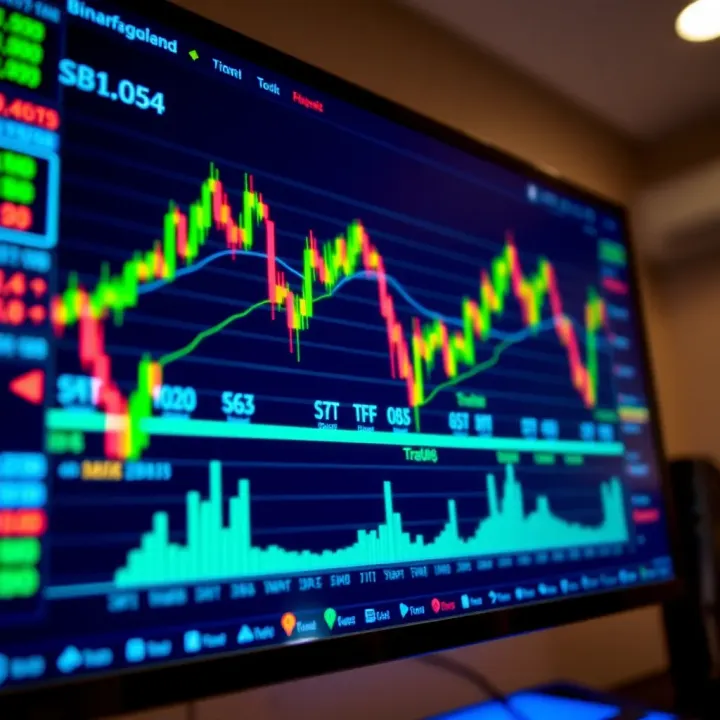
South Africa’s digital landscape makes access to binary trading platforms fairly easy. Platforms like IQ Option, Olymp Trade, and Binomo are frequently used here, offering interfaces tailored to local users, along with support for the Rand currency.
However, it’s essential to understand the legal framework surrounding binary trading in South Africa. The Financial Sector Conduct Authority (FSCA) is the primary watchdog, though binary options sit in a somewhat grey area. Many brokers offering these products operate overseas and are not regulated locally, which means traders need to be cautious about potential scams or unreliable platforms.
Before diving into binary trading, South African participants should prioritise platforms authorised by recognised financial bodies and understand the risks fully.
The appeal of quick returns can be tempting, but losses are just as fast. Effective strategies often depend on disciplined risk management and an understanding of asset behaviour. Some traders use technical analysis or economic indicators to inform their bets, although these do not guarantee success.
If you’re considering binary trading, weigh the pros and cons carefully. It can be a useful tool for diversification or speculative trading, but it’s not without its pitfalls. Expect to learn through experience, use demo accounts where possible, and never trade more than you can afford to lose.
This overview sets the scene for exploring binary trading in South Africa’s specific context — from regulatory nuances to practical trading tips and common pitfalls to avoid.
Getting a solid grip on what binary trading is and how it works is key for anyone thinking about stepping into this form of trading in South Africa. It’s not your typical buy-and-hold market play — it’s more straightforward in some ways but carries its own quirks and risks. Knowing the basics helps you make smarter choices and spot when something smells fishy.
Binary trading is a financial bet where you predict whether an asset’s price will go up or down within a set time. Instead of owning the asset itself, you’re basically throwing your hat in the ring on a simple yes/no outcome. If your call is right, you get a fixed payout; if wrong, you lose your stake. This neat win-or-lose structure attracts many new traders because it’s easy to understand and quick to play.
A fundamental piece of binary trading is the choice between 'call' and 'put' options. Think of a call option as betting the price will rise — if you spot Barclays shares looking solid and forecast their price will go up, you buy a call option. A put option is the opposite: you predict the price will fall. For example, if you believe Gold Fields stock will dip, you’d pick a put.
These options strip back the complexity. Instead of figuring how much a share might move, you only need to guess direction correctly within the time frame. This simplicity is quite practical for traders who want to keep things tight and avoid the headaches of margin calculations or owning the physical asset.
Trades always come with an expiry time — it could be as short as 60 seconds or stretch out to a few hours or days. That timeframe you pick affects both risk and reward. Shorter expiries are tempting because you get quick results, but prices can be volatile, increasing risk. Longer expiries may offer more room for your prediction to play out but require patience.
Payouts in binary trading are fixed and known upfront. For example, a platform might offer an 80% return on a successful trade. So, if you stake R1,000 and predict correctly, you pocket R1,800 (your initial R1,000 plus R800 profit). This all-or-nothing brand means you know exactly what’s at stake, which helps with budgeting your trades.
Binary trading platforms let you wager on various assets familiar to South African traders and investors. Typical options include:
Shares: Big JSE-listed companies like Sasol, Standard Bank, or Naspers
Forex pairs: Currency pairs such as USD/ZAR, EUR/ZAR, or GBP/USD
Commodities: Gold, crude oil, or platinum prices
Indices: Broader stock market sectors or international indices like the S&P 500 or FTSE 100
Choosing assets you understand or follow regularly can boost your chances. For instance, a trader based in Johannesburg might keep a close eye on Rand currency fluctuations or mining stocks’ movement.
Understanding these fundamentals early on arms you to navigate the binary trading space with more confidence, making informed decisions rather than guesswork.
Understanding the legal landscape around binary trading in South Africa is vital for any trader. This section breaks down the regulatory environment and highlights what differentiates legal trading from unlawful schemes. It also guides you on selecting platforms that comply with local laws, a key step to protect your capital and reputation.
South Africa’s Financial Sector Conduct Authority (FSCA) is the main watchdog overseeing financial services, including aspects of online trading. The FSCA monitors brokers and trading platforms to ensure they operate within the law and follow fair trading practices. Besides the FSCA, organisations like the South African Reserve Bank (SARB) and the National Credit Regulator (NCR) have roles in broader financial regulation but less direct involvement with binary options.
The FSCA has issued warnings against unregistered firms offering binary trading services, emphasising that many of these operate illegally within South Africa’s jurisdiction. While not all binary trading platforms are fully regulated by the FSCA, the authority encourages traders to confirm the licence status of any platform they consider. For example, platforms holding FSCA approval or registration offer a layer of safety that unregistered operators simply cannot match.
Binary trading becomes illegal in South Africa primarily when conducted through unregistered, unregulated platforms or when it crosses into gambling territory without proper licensing. The line here can be blurry as binary trading shares similarities with betting, but the FSCA clarifies that proper financial licences are crucial for legal trading operations.
Platforms that operate without appropriate FSCA oversight or abroad without respecting South African laws expose traders to legal risks and potential financial losses. The South African legal system also prohibits certain promotional practices such as misleading advertisements or guarantees of profits, which many illegal operators exploit.
A practical example: If a platform promises exceptionally high returns with little risk and is not registered with the FSCA, it’s a strong red flag. Traders should avoid such offers and instead seek platforms with transparent terms, verifiable licences, and clear regulatory ties.
Choosing a compliant trading platform is your best defence. Start by checking the FSCA's official list of registered entities—this list is publicly accessible and updated regularly. Also, verify if the platform adheres to anti-money laundering (AML) and know-your-customer (KYC) rules, which protect both the trader and the financial system.
Additionally, pay attention to where the platform is based. Some widely used international platforms might not be FSCA-licensed but comply with regulatory frameworks in other jurisdictions, such as the United Kingdom’s Financial Conduct Authority (FCA). In these cases, weigh the risks carefully, since local legal protections may be limited.
Finally, user reviews and feedback from South African trading communities can offer practical insights. They often highlight issues with withdrawals, responsiveness, or suspicious behaviour that formal listings might not reveal immediately.
Trading through legal, licensed platforms is not just a regulatory checkbox; it is fundamental for your financial security and peace of mind.
Being informed and cautious keeps you ahead in South Africa’s binary trading scene. Know who regulates your platform, what licences they hold, and always choose transparency over tempting shortcuts.
Choosing the right binary trading platform matters a lot for South African traders. It can determine not just how easily you access markets, but also how secure your money is and how smooth your trading experience feels. With the growing interest in binary options here, knowing what to look for helps you stay a step ahead.
First off, look for clear and straightforward interfaces. A platform cluttered with unnecessary tools or confusing menus makes it easy to slip up, especially if you’re new to binary trading. Next, funding and withdrawal processes should be hassle-free and fast. Localised services like instant EFT or card payments in Rand are a big plus, so you avoid unnecessary conversion fees or delays.
Security checks, such as two-factor authentication (2FA) and encrypted transactions, are essential to protect your account. Also, check if the platform offers demo accounts. These let you practise trading without risking real money and are invaluable whether you’re just starting or testing new strategies.
South African traders often navigate between local and international platforms. Local platforms sometimes provide better support in Rand and understand the local banking and regulatory environment better. However, international platforms typically offer a broader range of assets, more advanced trading tools, and better liquidity. For example, platforms like RaceOption and Deriv offer services accessible to South Africans with competitive features, whereas local platforms like GFI Securities provide the advantage of regulatory alignment and easier Rand transactions.
Trading on the move has become commonplace. Most popular platforms now have mobile apps compatible with Android and iOS devices, letting you monitor markets and place trades anywhere. Apps from platforms like IQ Option and Binary.com are praised for their responsiveness and user-friendly design, ensuring your trades don't miss out due to missed alerts or slow desktop access. This is particularly useful in South Africa where connectivity can be patchy, allowing you to trade efficiently even during short bursts of internet access.
Using a platform that accepts South African Rand simplifies transactions and helps avoid extra forex charges. Look for platforms offering payments through local options such as Instant EFT, SnapScan, or credit and debit cards widely used here. Some platforms may only accept USD or EUR, meaning you’ll pay extra for currency conversion, which eats into your capital.
Withdrawal speed is equally important. Look for platforms that process payouts within a few business days and have transparent policies without hidden fees. Some local traders choose to use e-wallets like Skrill or Neteller as an alternative, but these come with their own sets of fees and limits. Being mindful about payment methods can save you money and make managing your trading funds easier.
Choosing the right platform can seem overwhelming, but focusing on these practical features helps you find a reliable place to trade safely and efficiently, tailored for South African needs.
Binary trading offers tempting opportunities, but it’s crucial to understand the risks and challenges unique to South African traders. This section highlights the key pitfalls to steer clear of, the scams lurking in the market, and practical ways to manage risk responsibly.
Many traders get drawn into binary trading without fully grasping the volatile nature of these instruments. For instance, a common mistake is chasing quick profits by placing impulsive trades without solid research. The appeal of fixed and clear payouts sometimes masks the danger of losing the entire stake within minutes.
Traders often overlook the impact of high spreads and transaction costs, which eat into profits. Another pitfall is neglecting the influence of market-moving events, like changes in South African Reserve Bank (SARB) interest rates or unexpected Eskom load shedding announcements, which can suddenly swing prices.
Moreover, relying solely on tips from online forums or social media can be risky. The markets don’t follow hearsay; using verified data and reputable sources remains essential.
Unfortunately, the binary trading scene isn’t free from scams. A growing number of fake platforms promise guaranteed returns or insider tips targeted specifically at South African traders unfamiliar with the market’s pitfalls. These platforms often aren’t regulated by the Financial Sector Conduct Authority (FSCA), putting your money at risk.
Watch out for platforms requiring large upfront deposits or those that refuse to cash out your funds. Another red flag is aggressive cold-calling or unsolicited messages on social media urging rapid investments. It’s wise to verify the regulatory status of any platform—FSCA registration is a solid starting point.
Scam brokers might also manipulate software to generate false market data or use fake testimonials. Always proceed with caution and cross-check information before committing funds.
A good rule is: if the promise sounds too good to be true, it probably is.
The key to longevity in binary trading lies in managing risk smartly. First, always set a clear budget for trading funds—treat it as disposable money you can afford to lose without upsetting your monthly expenses or financial goals.
Use tools like stop-loss limits and diversify across different assets to avoid exposure to a single market or event. Make use of demo accounts extensively before trading real money to gain confidence without pressure.
Regularly reviewing and adjusting your strategies based on market conditions, and keeping emotions in check, helps prevent reckless overtrading.
In the South African context, be mindful of exchange rate fluctuations when funding accounts in foreign currencies; sometimes converting Rand to USD or EUR incurs unexpected costs.
Ultimately, binary trading is a high-risk activity and works best when approached with discipline, knowledge, and a healthy dose of scepticism.
Mastering binary trading requires not just luck but a solid approach tailored for South African markets and realities. This section highlights practical tips and strategies that can help traders avoid common pitfalls, make informed decisions, and navigate this complex trading style with more confidence.
For those new to binary trading, simplicity is key. One useful approach is the trend-following strategy, where traders observe price movements over a short period before deciding to place a 'call' or 'put' option. For example, if the price of a share listed on the JSE has been steadily rising, buying a call option might be prudent. Beginners should also test strategies on demo accounts offered by platforms such as Pocket Option or IQ Option before committing real money.
Another straightforward tactic is the boundary strategy, useful during low-volatility periods common during South African public holidays when trading volumes drop. This involves betting that the asset price will stay within certain upper and lower limits, giving traders a clear framework for potential profit.
Technical analysis is more than jargon; it’s a practical tool to spot opportunities and avoid traps. Tools like moving averages, Relative Strength Index (RSI), and Bollinger Bands can give hints about potential price reversals or momentum. For instance, spotting oversold conditions in a commodity like gold could suggest a forthcoming price jump, allowing traders to time their trades better.
Market research is equally vital. Keeping an eye on economic indicators like SARB interest rate decisions, retail sales data, or mining production figures can shape how you view asset behaviours. A spike in forex volatility, especially in the rand (ZAR), can also present prime trading opportunities in currency pairs.
Discipline is the backbone of longevity in binary trading. Set a firm budget limit for your trades and stick to it—never chase losses hoping to recover quickly. For example, if you allocate R2,000 monthly for trading, resist going beyond, even on a hot streak or when tempted to
📈 Discover how to trade forex in South Africa with insight on brokers, market basics, risk control, and top strategies for consistent success.

💹 Explore free forex trading in South Africa with no upfront costs! Discover top platforms, essential strategies, and trusted resources to boost your skills safely.

📊 Discover top forex trading schools in South Africa! Learn key skills, find trusted programs, and overcome challenges to trade confidently. 💹

📉 New to Forex in South Africa? Learn how to start trading safely with trusted brokers, understand risks, and navigate local laws confidently.
Based on 7 reviews