

Finding Reliable Free Binary Options Signals in South Africa
🔍 Find out how to pick reliable free binary options signals providers in South Africa, assess their accuracy, avoid risks, and trade smarter today!
Edited By
Henry Wilson
Binary options trading has drawn considerable attention in South Africa, offering a fast-paced way to speculate on financial markets. At its core, binary options trading lets you predict whether an asset's price will rise or fall within a set time frame, often as short as a few minutes or up to a few hours. The payout is straightforward: you either make a fixed profit or lose your stake — nothing in between.
This simplicity explains its appeal, but it also masks significant risks. South African traders should understand that binary options differ from conventional investing by lacking ownership of the underlying asset. You're essentially betting on market movement rather than investing in shares, currencies, or commodities itself.

To trade effectively, you need to grasp how these options function practically. Suppose you think the price of gold will rise over the next hour. You place a "call" option with your broker. If gold's price increases by expiry, you receive a predetermined payout, say 80% of your stake. If it doesn’t, you lose the amount you invested in that trade.
Binary options can seem like an easy way to make money, but they require informed decision-making and risk control.
In South Africa, the legal framework around binary options has tightened after widespread reports of scams and unregulated brokers through the Financial Sector Conduct Authority (FSCA). Only licensed entities should be trusted, and traders must conduct due diligence before committing capital.
Common pitfalls include misleading promotions, unrealistic return promises, and platforms withholding withdrawals. Educate yourself on signs of fraud and use only brokers registered with South African authorities.
For example, some well-known international brokers accept South African traders but might not be FSCA-registered. Using such platforms comes with added risk, especially during periods of high volatility.
Understanding the basics, risks, and local regulation is vital before stepping into binary options trading. The next sections break down the components traders need to navigate this market safely and practically.
Understanding how binary options trading works is crucial for anyone considering entering this market. It involves simple yes/no decisions on whether an asset's price will be above or below a certain level at a specified time. This straightforward approach can be appealing, especially for South African traders looking for quick, clear-cut trades. However, knowing the mechanics behind these trades helps you make informed choices and manage the inherent risks effectively.
Binary options are financial contracts where the outcome is one of two possibilities: a fixed payout or nothing at all. You decide if an asset — like a share, currency, or commodity — will move in a certain direction within a set time frame. For example, if you expect the price of Sasol shares to be higher than R350 at 3 pm, you buy a binary option predicting that. If your prediction holds true, you earn a set return; if not, you forfeit your investment.
This all-or-nothing structure differs from traditional trading, where profits and losses fluctuate. Binary options offer fixed risk, making them appealing for traders wanting to know potential losses upfront.
Several types of binary options exist, but High/Low options are the most common. Here, you predict if the price will rise (High) or fall (Low) by expiry. For instance, forecasting the rand versus the US dollar exchange rate to rise by market close is a High option.
Another type is One Touch options, which pay out if the price hits a predetermined level at any point before expiry. Take the gold price hitting R1,000 per ounce during the day. If it does, the option pays out, even if the price falls later.
These variations let traders choose strategies fitting different risk appetites and market conditions.
Trading binary options is usually straightforward. Once you select an asset and type of option, you decide your stake and expiry time. Suppose you invest R500 predicting that the price of the JSE’s Top 40 index will be higher in one hour. If correct at expiry, you might get back your R500 plus a profit, say R400. If wrong, you lose your R500 stake.
Trades settle instantly or shortly after expiry, which suits traders who want quick turnover. This fast pace demands close monitoring since markets can be volatile, especially during South African business hours influenced by global events.
South African traders access binary options mostly through international platforms that accept Rand and comply with local laws. Platforms like IQ Option, Binomo, and ExpertOption are popular due to their user-friendly interfaces, demo accounts, and mobile apps.
These platforms usually offer educational tools, charts, and real-time price feeds covering assets from forex pairs (like ZAR/USD) to commodities and SA company stocks. While some platforms are regulated abroad, traders should prioritise brokers licensed by credible authorities and check for FSCA warnings to avoid unregulated operators.
Trading binary options is simple in form, but success relies on understanding market movements, choosing the right option types, and using trustworthy platforms to protect your capital.
Considering the quick nature of binary options, having a solid grasp of these basics and using reliable platforms can help South African traders navigate this market with greater confidence and control.
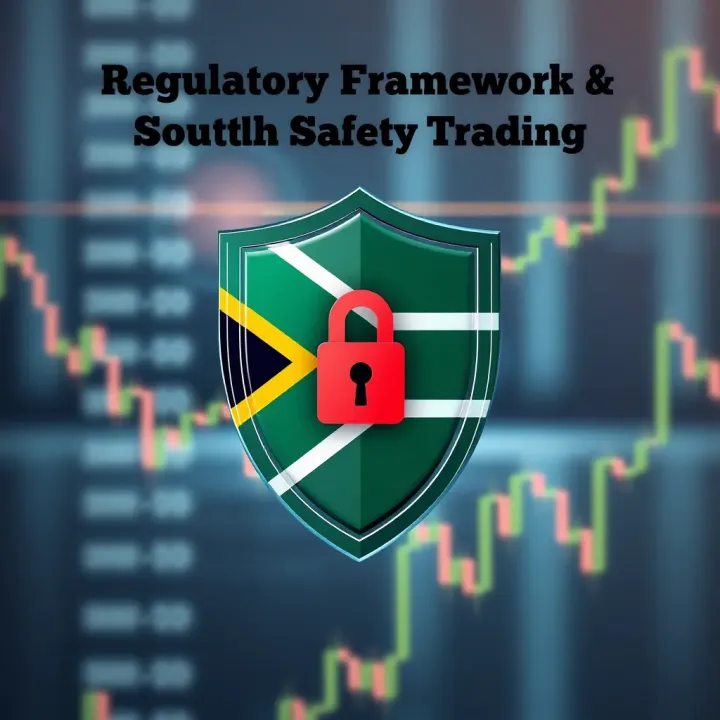
South Africa’s legal and regulatory setting significantly shapes how traders engage with binary options. Given the risks associated with these high-stakes instruments, understanding who oversees them and how compliance works helps traders make informed decisions and shields them from scams and legal trouble.
The Financial Sector Conduct Authority (FSCA) keeps a close eye on trading activities that affect South African consumers, including binary options. It has been quite clear about its position: binary options trading is highly risky and fraught with fraud. The FSCA does not currently endorse binary options brokers unless they are authorised and licensed under South African law. This warning serves as a red flag for traders: dealing with unlicensed operators is risky and often illegal.
Licensing is a core part of the FSCA's approach. Brokers who want to offer financial products, including binary options, to South Africans must register with the FSCA and meet strict compliance standards. This includes proving they have solid financial backing, transparent processes, and consumer protection measures. Licensed brokers help minimise the chances of fraud and provide traders access to legal recourse in disputes. Without these safeguards, traders are left vulnerable.
Operating in an unregulated environment means you might be dealing with brokers who have no obligation to protect your funds or act honestly. Many South Africans have fallen victim to platforms that suddenly disappear or refuse withdrawals. Since these brokers aren’t regulated by the FSCA, it’s unlikely that a trader can pursue legal action effectively. For example, a common complaint is how some offshore binary options sites claim to serve South Africans but operate under foreign laws where the FSCA has no jurisdiction.
Besides financial losses, there can be legal repercussions for traders who engage with unlicensed operators. South African law prohibits offering or dealing in financial products without proper licences. Though enforcement is focused more on the providers, traders who knowingly participate in illegal trading platforms might find themselves entangled in investigation or prosecution.
Always check the FSCA’s official list of authorised brokers before opening any binary options account. This simple step helps avoid the legal and financial pitfalls associated with unregulated trading.
In short, the absence of a clear licence and regulatory oversight should ring alarm bells. Traders should look for transparency, regulatory compliance, and clear communication from brokers to stay on the right side of South African laws and protect their investments.
Trading binary options isn't for the faint-hearted. While it promises quick profits, it also carries significant risks. This section breaks down the key dangers and advantages, helping you weigh up whether it's a fit for your trading style in South Africa.
Possible losses and volatility: Binary options markets can swing wildly within minutes. Unlike traditional investing, where you might slowly lose value over time, binary options involve a fixed payout or complete loss per trade. For instance, if you wager R1,000 on a binary option predicting that the JSE index will rise in the next hour and it's wrong, you lose the entire R1,000 upfront. This all-or-nothing setup means high volatility translates directly to rapid loss, often catching beginners off guard.
Moreover, unpredictable factors like sudden economic releases or geopolitical events can cause price shifts that eat away your funds quickly. So, managing your exposure and not risking money you can't afford to lose is vital in this fast-paced arena.
Common pitfalls for beginners: Many new traders jump in expecting easy money. One typical trap is chasing losses—that is, doubling bets after a loss in hopes of recovering quickly. This usually leads to blowing out the trading account. Another mistake is overcomplicating strategies without grasping fundamental market movements, resulting in poor timing.
Besides that, trusting unverified platforms or ignoring their terms has landed many South Africans in hot water. For example, models promising guaranteed returns or exclusive insider tips almost always spell trouble. Understanding that binary options are speculative helps maintain realistic expectations.
Short-term profit opportunities: The main appeal of binary options lies in rapid trades lasting from minutes to hours. A seasoned trader can spot short-lived market trends and potentially lock in quick profits, especially during volatile trading sessions like when the South African Reserve Bank announces interest rate changes.
For example, a trader might predict the rand strengthening versus the US dollar immediately after a positive trade balance report. If timed well, the fixed payout on a winning trade can yield attractive returns relative to investment.
Suitability for certain trading strategies: Binary options suit traders aiming for straightforward, time-bound bets rather than complex portfolio management. Strategies using technical indicators like moving averages or RSI to anticipate short bursts in price movement can fit neatly into binary options.
However, it's less appropriate for those wanting to hold positions long term, reinvest dividends, or hedge across multiple assets. Instead, think of it as a tool for tactical plays, not a staple holding.
Binary options offer a peculiar mix of high-risk stakes with the chance of quick rewards—knowing when and how to engage is key to not getting caught out.
Navigating the world of binary options trading in South Africa requires more than just understanding the markets—it means staying vigilant against scams that take advantage of eager traders. Scams are a real threat, particularly since the binary options market has seen rapid growth with relatively light local regulation. Knowing the common tactics and how to protect yourself isn't just a good idea; it’s essential to safeguard your money and peace of mind.
One of the most common ploys scammers use is setting up fake binary options platforms. These sites look professional, often with flashy graphics and easy-to-use interfaces mimicking reputable platforms. However, once you've deposited money, accessing your funds becomes nearly impossible. Withdrawal requests might be ignored, delayed indefinitely, or met with arbitrary and confusing fees.
A typical example involves a trader signing up on what appears to be a legit site, depositing R5,000, and after a few trades, requesting a withdrawal. The platform then claims there are "verification issues" or insists on additional payments for tax or fees before releasing funds. These are red flags pointing to a scam. South African traders need to beware and double-check platform reviews and regulatory status before committing funds.
Some brokers or affiliate marketers lure traders with promises of guaranteed returns or “risk-free” trading. Such claims are not only misleading but downright false. No legitimate trading platform can assure profits—binary options carry significant risks, including total loss of your investment.
Misleading marketing can also involve pressuring traders to deposit large sums quickly or upselling complicated strategies that supposedly “guarantee” success. Often, there’s little transparency about the risks or the true odds. It's crucial to treat any platform or person claiming you’ll “definitely” profit with suspicion and to seek unbiased information before signing up.
Opting for brokers registered with the Financial Sector Conduct Authority (FSCA) or reputable international regulators offers a layer of safety. FSCA-regulated brokers meet local standards for fairness, transparency, and client protection. While the FSCA's reach in this area is still developing, choosing brokers with proper licences helps avoid many outright scams.
When considering a broker, verify their registration on official FSCA lists or recognized regulators like the UK’s FCA or Cyprus Securities and Exchange Commission (CySEC). Remember, a licence means the broker is subject to oversight, periodic audits, and must comply with consumer protection laws—unregulated entities aren’t held to these standards.
If you suspect fraudulent activity or unfair treatment, it helps to know your rights. South African consumers can report suspicious brokers or scams to the FSCA, the National Consumer Commission, or even the South African Police Service if fraud is evident. Early reporting can prevent further losses for yourself and others.
Additionally, understanding terms and conditions, asking for all fees upfront, and keeping records of all transactions can support your case if issues arise. Being proactive rather than reactive helps maintain control in an environment where shady operations seek to catch traders off guard.
Staying safe in binary options trading involves combining solid knowledge, careful broker selection, and readiness to challenge any suspicious behaviour. In South Africa’s evolving market, this approach is your best defence against scams.
By keeping informed and cautious, South African traders can better navigate the binary options scene while minimising risks associated with fraudulent practices.
Starting out with binary options trading can feel like stepping into unknown territory, especially given the regulatory and market specifics unique to South Africa. This section breaks down practical steps and tips designed to help traders open an account securely and approach trading sensibly.
Verifying broker credentials is the very first hurdle. Not all brokers operate above board, so it’s essential to confirm that your chosen platform holds proper authorisation—ideally from the Financial Sector Conduct Authority (FSCA). A quick check could save you from falling into a scam or getting trapped by platforms that refuse withdrawals. Take the time to look up brokers on the FSCA’s registered entities list. South African traders sometimes get lured by platforms offering flashy adverts but lacking local legitimacy.
Once you trust the broker, complying with RICA and FICA comes next. The Regulation of Interception of Communications and Provision of Communication-Related Information Act (RICA) and the Financial Intelligence Centre Act (FICA) require brokers to verify your identity and residence before allowing trading. This means submitting ID documents and proof of address. While it may feel like an extra hoop to jump through, these steps protect you from fraud and help ensure your trades aren’t linked to illicit activities. For instance, a South African trader opening a binary options account will usually upload a South African ID book or passport, plus a recent municipal rates invoice or bank statement to meet these checks.
Starting small and learning first is a rule that’s worth its weight in gold. Binary options can offer quick wins but also quick losses—so keeping your stakes low while you’re still getting a feel for the markets helps protect your capital. In practice, this means placing trades with small amounts of money—not betting your rent money on a single call or put. Traders who jump in with too much confidence often find themselves wiped out fast.
Using demo accounts is one of the most overlooked tools for beginner traders. Many regulated platforms provide virtual accounts funded with play money, so you can simulate real market conditions without risking your own cash. This lets you test your strategies in a no-pressure environment. For example, if you’re experimenting with timing expiry on currency pairs like USD/ZAR, a demo account helps you see how quickly prices move and where your predictions might go wrong. It builds confidence and sharpens instincts before going live.
Getting the basics right—from choosing a legitimate broker to practising trades on a demo account—can be the difference between a frustrating experience and a sustainable trading journey.
By following these starting steps, South African traders can better navigate the complexities of binary options and lower the chances of falling into common traps.
🔍 Find out how to pick reliable free binary options signals providers in South Africa, assess their accuracy, avoid risks, and trade smarter today!

⚖️ Learn how South African traders can spot real vs fake binary options, understand regulations, avoid scams, and protect their investments confidently.

📈 Find the ideal trading app for South African investors. Compare fees, security, asset range & support to fit your investment style and goals.
Find the best trading app in South Africa! 🔍 Explore types, key features, regulations, costs & top app comparisons to trade securely and smartly. 📈🇿🇦
Based on 14 reviews