

Practical Tips for Forex Trading Success in South Africa
Master forex trading in South Africa 🇿🇦 with tips on market mechanics, risk control, emotional discipline & technical analysis 📈 for steady success.
Edited By
James Whitmore
When it comes to forex trading, relying solely on gut feeling or endless chart-watching can wear anyone down. That’s where forex trading robots step in, offering automation to execute trades based on pre-set criteria without the emotional rollercoaster. These systems, also called Expert Advisors (EAs), operate 24/7, scanning the markets and reacting faster than any human trader could.
But not all robots are cut from the same cloth. Choosing the right one requires more than just picking the top seller on a website. You have to consider your specific trading goals, risk tolerance, and local market conditions. For instance, a robot suited for high liquidity pairs like EUR/USD might not perform as well on emerging market pairs popular in South Africa.

Here are some clear points to focus on before trusting a forex robot with your capital:
Strategy: Understand if the robot trades short-term (scalping) or long-term (swing). For example, a scalper robot may generate more trades but also increase transaction costs.
Backtesting and Live Results: Look for verified historical data and real-time performance. Platforms like MetaTrader offer transparency through trade journals and equity charts.
Risk Management: Does the robot include stop-loss features and adjustable risk settings? A reliable robot shouldn’t be reckless.
Broker Compatibility: Some robots perform poorly with certain brokers due to spreads, execution delays or restrictions on scalping.
User Control: Check if you can adjust parameters or if the robot runs closed-source, black-box strategies.
Successful traders often start by demo-testing several bots to get a practical feel without risking real money. This helps identify what fits your trading style and patience level.
In South Africa, factors like internet stability due to loadshedding and fluctuating rand exchange rates can influence your trading robot’s effectiveness. Choose one that accommodates intermittent connection or use tools like virtual private servers (VPS) located in data centres for continuity.
Picking the right forex trading robot isn’t about shortcuts but about blending automation with your savvy. Done well, it can ease the daily grind and potentially enhance your trading performance.
Getting a clear grip on what forex trading robots are and how they function is key for anyone looking to add automation to their trading toolkit. These robots can save traders significant time, allowing them to execute trades 24/7 without the fatigue or emotional bias that many human traders face. But success hinges on understanding what these tools really do and what to expect from them.
Forex trading robots are automated software programs designed to analyse market data and execute trades on your behalf based on predefined strategies. They use algorithms to identify trading signals, such as patterns or price movements, and act quickly to open or close positions. For instance, a robot might be programmed to enter a trade when the moving average crosses a certain threshold, removing the need for constant manual monitoring.
Unlike human traders, these robots don't suffer from stress or fatigue, and they can process enormous amounts of data swiftly. Yet, they're no magic bullets — they simply follow the rules coded into them.
Most forex robots connect to your trading platform (like MetaTrader 4 or 5) via an Expert Advisor (EA) system. They continually scan currency pairs, reacting to price changes, technical indicators, and sometimes economic news, to decide when to trade. For example, a robot might spot an oversold condition in the EUR/USD pair and place a buy order automatically.
Traders can customise settings such as lot sizes, stop-loss levels, and preferred currencies. This gives some control while still benefiting from automation. Importantly, robots execute trades in real time, which helps catch opportunities in fast-moving markets.
Automated trading removes human emotion from decision-making, which can prevent impulsive moves like fear-selling or greed-driven buying. Robots work relentlessly, day and night, which is ideal for the 24-hour forex market. They also backtest strategies against historical data before live deployment, improving confidence.
However, they’re only as good as their programming and the market data they receive. Market conditions can change suddenly due to geopolitical events or economic shifts that the algorithm didn’t foresee. For example, an unexpected interest rate decision by the South African Reserve Bank (SARB) might cause erratic swings that a robot can't handle gracefully.
Additionally, some robots might overtrade or take excessive risks if not properly configured. And while they automate trades, they still require monitoring and occasional tweaking to stay effective.
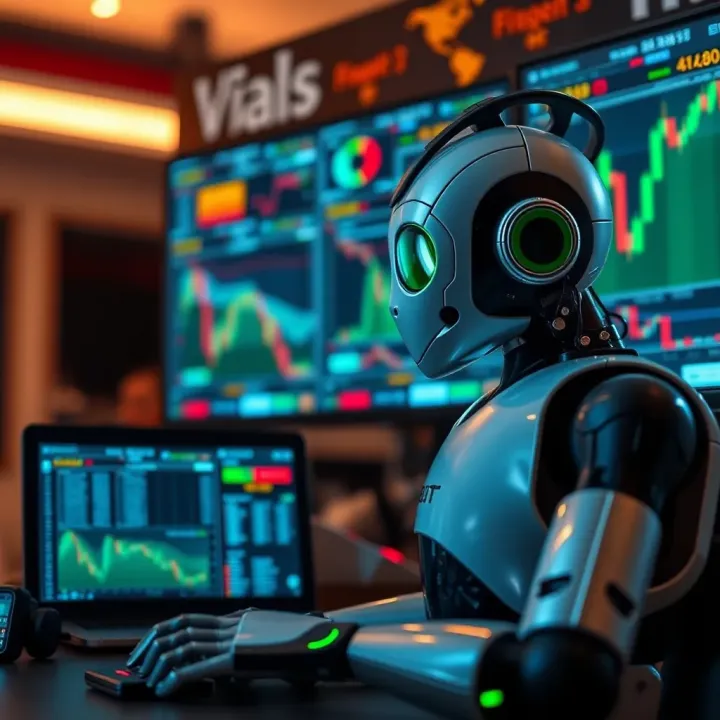
Remember, forex robots can be powerful allies but aren't set-and-forget solutions. Using them wisely means understanding both their capabilities and limits.
By grasping these essentials, traders can better decide which robots fit their style and risk appetite — essential groundwork before diving into actual usage or purchase.
When choosing a forex trading robot, it's vital to look beyond flashy promises. A straightforward, trustworthy robot can help you trade smarter, not harder. South African traders, in particular, must consider features that mesh with local market conditions and the volatility inherent in forex.
Reliability hinges on a robot’s proven track record. Robots with a lengthy performance history give you insight into their durability across varying market situations. Look for verified backtesting data and live trading results that show consistent profits over months, not just a few good weeks. For example, some robots publicly share verified stats on platforms like Myfxbook — this transparency speaks volumes. Avoid robots promising guaranteed huge gains; instead, seek steady, manageable growth with clear drawdown information.
Forex markets shift fast, and so should your approach. A good robot lets you tweak settings like risk tolerance, currency pairs, or trading sessions. If you’re someone who understands market nuances or wants to trial different strategies, choose a robot that allows manual adjustments. Think of it like tuning your bakkie’s engine for better performance on different terrain. Certain robots offer simple interfaces for beginners and advanced controls for more experienced traders alike.
Forex can eat into your account quicker than you think if risks aren’t managed properly. Look for robots with built-in safety nets such as stop-loss functions, maximum drawdown limits, and daily trade caps. These features help prevent heavy losses during unexpected market swings, especially given the rand’s volatility. Some robots use trailing stops or adjust position sizes dynamically to protect profits while limiting exposure.
Prioritising strong risk controls isn't just smart—it's essential to keep your trading afloat in rough periods.
Not all robots jive with every trading platform. Ensure the robot you pick works smoothly with popular South African platforms like MetaTrader 4 or 5, which are widely supported by brokers such as IG, FxPro, or HotForex. Integration ease matters, too: a robot that’s simple to install and operate saves you time and avoids technical headaches. Be wary of robots demanding complex setups without clear guides or local support.
By focusing on these key features—reliability, customisability, risk management, and compatibility—you’ll be better equipped to select a forex trading robot that fits your goals and trading environment here in South Africa.
Choosing a forex trading robot is no small matter, especially with the vast array of options out there. Reviewing popular robots not only helps you understand what’s available but also highlights the strengths and weaknesses of different systems. For South African traders, this step is crucial since factors like the local trading environment, platform compatibility, and regulatory conditions shape which robot performs best.
Free forex robots offer a low-risk way to test automated trading. Often, these are entry-level bots suitable for beginners or traders wanting to experiment without committing funds upfront. Examples include the MetaTrader 4 (MT4) built-in Expert Advisors (EAs) like the MACD Sample or Moving Average Crossover bots. They’re reliable enough for demo accounts and provide insight into how automation reacts under different market conditions.
It’s key to remember that free robots sometimes lack ongoing updates or advanced customisation. However, for South African traders, they can be useful starting points especially since brokers such as Tickmill or ForexTime (FXTM) support MT4/MT5 platforms widely. Testing these bots on demo accounts helps gauge their potential before risking real money.
Paid forex robots tend to come with more sophisticated algorithms and customer support. Products like Forex Fury and GPS Forex Robot have established track records and positive user reviews globally, including from Mzansi traders. These bots often feature adaptive strategies, multi-currency support, and built-in risk controls which make them more versatile than free alternatives.
When considering paid robots, check for transparent performance histories and realistic marketing claims. Vendors willing to provide verified results from independent sites or live accounts demonstrate accountability. Also, be wary of lifetime purchase offers that sound too good to be true; legitimate software usually offers subscriptions reflecting ongoing development costs.
South African traders have unique needs tied to currency pairs like USD/ZAR or EUR/ZAR and must consider local market hours, liquidity, and costs such as spreads and commissions. Some forex robots adapt specifically to these conditions or include settings tailored for the Rand’s volatility.
Look for robots tested and optimised on brokers operating in South Africa, or those providing support for localised strategies. This focus can improve performance and risk-adjusted returns. For example, a robot that recognises Eskom load-shedding related market volatility spikes in Rand pairs could provide an edge.
Taking the time to review and compare popular forex robots, with an eye on local relevance, will save you from costly trial and error. Smart selection depends on understanding both the product’s capabilities and how they mesh with your own trading goals.
Reviewing popular forex trading robots equips you to make informed decisions, avoid common pitfalls, and choose systems that best fit your style and risk appetite. Always remember that no robot guarantees profits; human oversight and ongoing adjustment remain vital in successful trading.
Testing and using forex trading robots properly is essential before risking real money. Blindly trusting a robot can lead to costly errors or unexpected losses. This section outlines straightforward ways to evaluate robot performance, manage expectations, and blend automation smoothly into your broader trading approach.
Running a robot on demo accounts is the first step to gauge its behaviour without financial risk. Demo testing shows how the system trades under real market conditions, including volatility and news events. For example, using MetaTrader’s free demo accounts lets you observe trade entries, exits, and stop-loss triggers over weeks or months, providing a realistic performance snapshot.
Monitor metrics like win rate, drawdowns, and average profit to spot strengths and weaknesses. Beware of robots that perform well only in backtests but falter in demo due to overfitting the historical data. Besides, demo testing reveals if the robot’s strategy fits your risk tolerance and trading goals.
Demo testing isn’t a guarantee of future success, but it’s your safety net before committing real capital.
Forex robots can take some pressure off manual trading but won’t replace sound judgement. South African traders often expect robots to yield quick riches, which is seldom the case. Instead, plan for steady, manageable gains and prepare for inevitable periods of drawdown.
Set clear limits on daily loss thresholds and max open trades to avoid blowing accounts during rough patches. For instance, if you allocate R10,000 to robot trading, decide beforehand that losses beyond R1,000 trigger a halt or reassessment. This disciplined approach helps contain risk and maintain trading psychology.
Using realistic expectations also means understanding there’ll be no overnight riches. Reliable robots work gradually, adapting to changing market conditions within their programmed limits.
Forex robots should complement, not replace, your trading strategy. You might use a robot to handle specific currency pairs or market conditions while maintaining manual control elsewhere. This mix enhances flexibility and risk management.
Combine robot signals with your own market analysis — say, fundamental factors or economic data releases — to avoid blindly following automated trades. South African traders can especially benefit from this during periods of exchange rate volatility linked to local political developments or SARB announcements.
Also, keep monitoring the robot's performance regularly. Market dynamics shift, and a previously profitable system might need tweaking or temporary suspension. Incorporate routine reviews into your schedule, checking results fortnightly or monthly.
In short, effective use means treating forex robots as tools that require care, testing, and supervision rather than magic bullets. That practical attitude can improve your chances of making smart, consistent gains in the volatile forex arena.
Master forex trading in South Africa 🇿🇦 with tips on market mechanics, risk control, emotional discipline & technical analysis 📈 for steady success.
📈 Master forex trading basics designed for South African traders. Understand market mechanics, key terms, analysis, risk strategies, and get hands-on tips.
Learn forex trading basics and advanced tactics with our South Africa-focused tutorials. Manage risks, choose reliable courses, and boost your skills! 📈💰
🌍 Discover forex trading hours for South African traders, including session times in SAST, daylight saving impacts, and tips for smarter trading moves 📈.
Based on 11 reviews