

Best Free Forex Trading Platforms in South Africa
Find the best free forex trading platform for South African traders 🇿🇦, with top tools, security, and no upfront fees to boost your trading success 📈
Edited By
Thomas Bennett
Choosing the right platform for forex trading is a make-or-break decision for South African traders. With so many options on the table, it can feel like finding a needle in a haystack. The key lies in understanding what really matters: regulation, fees, platform features, accessibility, and educational support.
South Africa falls under the watchful eye of the Financial Sector Conduct Authority (FSCA). Any legitimate platform should be FSCA-registered or at least comply with global standards like those from the Financial Conduct Authority (FCA) or Australian Securities and Investments Commission (ASIC). Trading with unregulated brokers is a risk you don't want to carry — there's a good chance of losing your capital or facing withdrawal headaches.
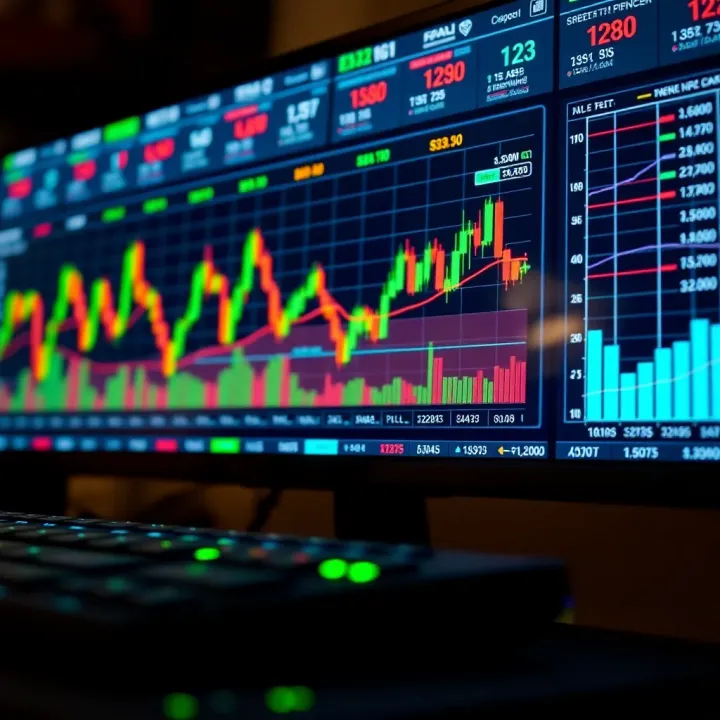
Fees matter too. Look beyond just the spreads — commissions, overnight swap rates, and withdrawal charges add up. Some platforms offer zero-commission trades but widen their spreads. Others use flat fees but boast tighter spreads. For example, a platform like IG Markets balances these costs well, making it a favourite among local traders.
Don't underestimate the importance of user experience. Platforms vary from basic web interfaces to advanced desktop apps with complex charting tools. MetaTrader 4 and 5 remain popular choices for many due to their reliability and large community of users. However, if you prefer a local flavour, platforms like EasyEquities offer simpler access with integrated forex options.
Accessibility counts — how does the platform perform on your devices? Many South Africans rely on mobile trading during commuter hours or when out and about. Make sure the platform’s mobile app is smooth and responsive. Also, check if your preferred payment methods are accepted; local bank transfers, EFT, and mobile wallets are common.
Finally, educational resources can help you sharpen your trading skills. Platforms that provide tutorials, webinars, and demo accounts let you practise without risk. For instance, Plus500 and Saxo Bank cater well to beginners looking to build confidence.
Start by assessing what fits your trading goals and style. Consider regulation first, then dive into fees, features, and support. Making an informed choice will save you stress and set you up for better trading outcomes.
In the paragraphs ahead, we'll break down these factors and highlight platforms known for meeting South African traders’ needs. Stay with us to find the right match for your forex ventures.
Before diving into forex trading, it's key to understand the platforms that make trading possible. A forex trading platform is your main tool for accessing currency markets, placing trades, and managing your investments. For South African traders, choosing the right one means considering how it fits your style, tech setup, and local conditions.
A clean, intuitive interface matters more than many realise. If you struggle to find charts, trading options, or order types quickly, you risk missing opportunities or making costly errors. Platforms like MetaTrader 4 or MetaTrader 5 are popular because they strike a good balance—they’re accessible for beginners yet comprehensive enough for pros. Imagine trying to change a stop-loss quickly during volatile sessions; an easy-to-navigate platform ensures you’re not fumbling when seconds count.
In forex, timing is everything. Slow execution can turn a winning trade into a loss, especially during big market moves caused by events like South Africa’s interest rate announcements or unexpected global news. Good platforms process orders instantly and remain stable under load. If the platform buffers or crashes at critical times, your funds — and confidence — take a hit. For instance, platforms with direct market access (DMA) usually execute trades faster than those routing orders through dealing desks.
Trading isn’t only about the USD/ZAR pair. A solid platform offers a wide range of currency pairs, including majors, minors, exotics, and related instruments like CFDs on indices or commodities. This variety allows you to diversify your trades and hedge more effectively. South African traders often examine pairs like EUR/ZAR or GBP/ZAR for better spreads and liquidity, so ensure your platform supports these.
These run directly in a browser, eliminating the need to download software. They’re handy if you use multiple devices or don’t want to install anything on your bakkie or home PC. Some web platforms from brokers like IG or Plus500 offer easy log-in and access from anywhere with internet, but sometimes sacrifice execution speed or have fewer features compared to desktop versions.
Installed software like MetaTrader or cTrader generally offers the most robust features, including advanced charting, automated trading (expert advisors), and superior execution speeds. Desktop apps suit serious traders who want to keep a close eye on the markets and use customised tools. But they tie you to the device installed on, which might be less flexible if you trade while on the move.
Smartphone apps have become essential, especially for South African traders dealing with high data costs and intermittent internet. Apps from brokers like AvaTrade and FXTM are optimised for lower data usage and slower connections, allowing you to check prices, place trades, or manage orders on the go. However, the limited screen size and fewer technical tools mean that in-depth analysis is better saved for desktop.
Choose a platform that suits how and where you trade most often. A desktop app may suit your home setup, but having a mobile app backup helps when you’re stuck in traffic or away from your usual spot.
Understanding these basics sets the stage for picking a forex trading platform that fits your needs and the South African context effectively.
Selecting the right forex trading platform in South Africa means paying close attention to the features that affect your day-to-day trading experience. Not all platforms are created equal—some may delay trade execution, while others might lack vital security or useful tools. These features not only shape your ease of trading but also impact your overall safety and profitability.

Any reputable forex platform operating in South Africa must be licensed by the Financial Sector Conduct Authority (FSCA). This licence ensures the platform conforms to local regulations designed to protect investors and maintain market integrity. Without FSCA licensing, there’s little guarantee that your funds will be safe or that the platform follows ethical trading practices.
For instance, platforms licensed by the FSCA undergo regular audits and must comply with rules on client fund segregation. If a platform lacks this licence, it might operate offshore, exposing traders to higher risks such as lack of recourse if disputes arise.
Security goes beyond licensing—protecting your personal and financial data is essential. A good trading platform uses high-level encryption protocols, like SSL (Secure Sockets Layer), to prevent data breaches or interception during transactions.
Given that cybercrime has grown worldwide, including threats against South African online accounts, choosing a platform with robust encryption is crucial to safeguard your banking details and trading activity.
Effective charting is the backbone of making informed trades. Platforms should offer a variety of technical indicators such as moving averages, RSI (Relative Strength Index), and Fibonacci retracements. These tools help traders identify trends, support and resistance levels, and potential entry or exit points.
Drawing tools like trend lines and channels are vital for pattern analysis and can clarify complex market movements at a glance. For example, a South African trader relying on technical analysis during volatile economic announcements needs fast, interactive charts with these capabilities.
Automated trading, or algorithmic trading, lets you set predefined rules so bots execute trades on your behalf. This is handy for traders who cannot monitor the market 24/7 or want to remove emotional decision-making.
In South Africa, with time zone differences and challenges like loadshedding, such features can help maintain positions while you’re offline. However, be sure the platform supports back-testing so you can assess your algorithm’s past performance before live trading.
Trading issues can crop up any time, especially with volatile markets. Access to customer support during South African business hours is a practical advantage, preventing lost opportunities caused by delays.
Platforms offering local-time assistance, or a dedicated South African helpline, tend to respond faster and understand region-specific challenges, such as banking delays or regulatory questions.
How you reach support matters. Reliable platforms offer multiple communication channels—phone, email, live chat, and even WhatsApp support. For instance, having a live chat option often speeds up resolving simple queries, while phone support comes in handy for complex issues.
Choose a platform that matches your preferred contact method, so you’re never stuck waiting for answers when you need them most.
Remember, a platform’s features directly affect your ability to trade confidently and securely. Picking one with proven security, effective tools, and dependable support will save you headaches and improve your chances of success in the forex market.
Understanding the cost structure of a forex trading platform is vital for South African traders. Costs directly affect your profits and can vary widely depending on the platform’s fee models. Keeping a close eye on these charges helps you avoid unnecessary deductions, allowing you to trade more confidently.
The spread is the difference between the bid (selling) and ask (buying) price of a currency pair. Fixed spreads remain constant regardless of market conditions, providing cost predictability. For example, a fixed spread of 2 pips on USD/ZAR means you always pay that spread, even during volatile sessions—which could be reassuring if you prefer stability.
Variable spreads change with market liquidity and volatility. During heavy forex trading activity, spreads may tighten, reducing your costs. But in high volatility or off-peak hours, spreads can widen substantially, increasing your trading expenses. Traders comfortable with fluctuating costs often favour variable spreads for the chance to pay less during active hours.
Commissions are another fee some platforms charge per trade, typically a percentage or fixed amount per lot traded. For instance, a R50 commission on each standard lot could feel steep if you're day-trading smaller positions. However, platforms charging commissions often offer lower spreads, so it's a trade-off worth considering based on your trading frequency and volume.
Local bank transfers are a common funding method for South African traders. Many platforms partner with local banks, enabling relatively fast and fee-free deposits and withdrawals via Electronic Funds Transfer (EFT). However, some brokers still charge small fees, which can add up if you move money frequently.
For international payment methods such as credit cards or e-wallets like Skrill or Neteller, expect variable fees and processing times. Credit card deposits tend to be instant but may incur a 2–3% surcharge. Withdrawals to international accounts can be slower and attract extra charges, which is significant if you plan to trade actively or require quick access to your funds.
Inactivity fees can catch traders off guard. If you leave your account dormant for several months, some brokers charge a monthly fee, potentially draining small balances. Always check the platform's policy before signing up, especially if you’re a casual trader or prefer to pause trading during market lows.
Data and platform usage charges are less common but worth noting. Certain advanced trading platforms may ask for fees to access premium data feeds or use specific tools, especially for real-time news or in-depth market analysis. While these can enhance your trading edge, they add to the overall cost and should be factored into your budget.
Costs might seem minor per trade, but they quickly pile up. Choosing a platform with transparent, fair fees ensures you keep more of your earnings and helps maintain your trading edge.
By carefully comparing spreads, commissions, deposit and withdrawal fees, and potential hidden costs, you can pick a forex platform that fits your budget and trading style while accommodating South African financial realities.
When selecting a forex trading platform, accessibility plays a key role in ensuring smooth and uninterrupted trading, especially in the South African context where factors like internet stability and payment methods can affect the experience. Traders need platforms compatible with local devices and internet speeds, plus support for familiar payment options. Accessibility helps you avoid frustrating delays and hidden hurdles that can cost opportunities in fast-moving forex markets.
Many South African traders rely on mobile data or home internet connections which might be slower or less stable than urban broadband. A good trading platform should handle this by offering lightweight interfaces that load quickly and provide reliable execution even with intermittent connectivity. Platforms optimised for lower bandwidth help prevent missed trading signals or delayed order processing, which can be critical when forex prices swing rapidly.
Some platforms include a ‘lite’ version designed specifically for slower networks or offer offline charting tools enabling traders to analyse data without constant internet access. This is particularly useful in rural areas or during periods of Eskom loadshedding when network traffic spikes and speeds may drop.
South Africans are increasingly trading via their mobile devices, making mobile app quality a crucial factor. A robust mobile app should support live price updates, order placements, and access to essential tools like charts and news feeds. Features like push notifications keep traders informed about market changes instantly, so they don’t miss out when away from their computers.
Ease of navigation and clear display on smaller screens matter too. Many apps now include offline mode or lower data consumption settings, acknowledging local data costs and network variability. For instance, an MTN or Vodacom subscriber might appreciate an app that minimises heavy graphics to save on bundle data without compromising essential functions.
Easy deposits and withdrawals are important for practical trading. Most South African brokers accept Electronic Fund Transfers (EFTs), which connect directly to local banks—FNB, Standard Bank, Capitec, and others. EFTs tend to be faster and more cost-effective for local traders than international wire transfers.
Payment via local bank cards like Visa and Mastercard is also common, though some platforms might charge additional fees or have longer processing times. Being able to fund your account using familiar and widely accepted methods makes moving money onto and off trading accounts more straightforward.
Platforms with integration to local payment gateways, such as PayFast or Ozow, enhance the deposit experience by providing instant or near-instant payment confirmation. This also improves security by avoiding unnecessary sharing of banking credentials with foreign intermediaries.
These gateways often support multiple payment methods including instant EFT and mobile wallet payments, catering to a diverse range of traders in Mzansi. Convenience and trust in local payment infrastructure can save you time and reduce headaches, making this a practical consideration when choosing your forex platform.
Access and ease of use often determine whether a trader stays with a platform long-term. Paying attention to how a platform performs on local devices and networks, and how smoothly you can move your money in and out, will save you unnecessary frustration and costs.
Educational resources and community support play a vital role in helping South African forex traders sharpen their skills and stay informed in a fast-moving market. These tools bridge the gap between theory and practice, specifically benefiting those who may be new to trading or who want to deepen their understanding without risking too much upfront. Besides giving technical know-how, community support offers valuable peer insights that can elevate your trading strategy through shared experience.
Webinars and tutorials are indispensable for beginners seeking a clear introduction to forex trading. They provide structured lessons ranging from basic concepts like currency pairs and pips to more advanced topics such as risk management and trading psychology. Many platforms offer live webinars hosted during South African trading hours, allowing for real-time questions and interaction. This tailored approach helps new traders avoid common pitfalls by learning directly from industry experts.
Demo accounts for practice allow users to simulate trading without financial risk, giving beginners a safe environment to experiment with strategies and platform features. These accounts mirror real market conditions and price movements, which means you can test how your chosen platform handles executions and charting tools. Practising on a demo account helps build confidence before committing real money, which is especially useful for South African traders adjusting to local economic variables like rand volatility or global market events.
Having access to real-time news feeds ensures traders never miss critical market developments. Forex markets can react sharply to global events such as central bank announcements, geopolitical tensions, or economic data releases. Platforms integrating live news feeds, often supplied by trusted outlets, equip South African traders to make better-informed decisions quickly. For instance, a sudden Eskom loadshedding update or international crude oil price fluctuation can influence the rand’s forex value.
Analytical reports specific to forex trading offer deeper insight into market trends, volatility, and likely price movements. These reports can include technical analyses, fundamental forecasts, and sentiment data, often tailored for particular currency pairs or regions. For South African traders, reports addressing rand-related pairs or emerging market currencies add relevant context, enabling more strategic positioning.
Local trading groups and networks offer the benefit of regional experience and knowledge sharing. Engaging with fellow South African traders in forums or meetups fosters a sense of camaraderie and a platform to discuss market challenges, regulations, or local financial news. These groups often provide practical advice on coping with issues like internet reliability or navigating FSCA regulations.
The social media presence of forex platforms and local trading communities acts as a real-time hub for updates, tips, and discussions. Platforms active on channels like Twitter or Facebook can alert traders quickly about market changes or educational events. Meanwhile, joining South African trading groups on WhatsApp or Telegram provides informal support where peers share trade ideas and news relevant to the local context.
A well-rounded forex trading platform doesn’t just offer tools for placing trades but goes further by providing education and a community backbone, which is essential for long-term trading success in South Africa.
Find the best free forex trading platform for South African traders 🇿🇦, with top tools, security, and no upfront fees to boost your trading success 📈

Explore free forex trading opportunities in South Africa 🌍 including demo accounts, learning tools, and tips to trade without upfront investment safely and smartly.
Discover tailored forex trading strategies for South African traders 🇿🇦. Learn foundational tactics, advanced methods, and smart risk management to boost your trading game. 💹💡

📊 Learn how global forex trading sessions align with South African time, plus get tips and downloadable PDF schedules for smarter trading decisions.
Based on 8 reviews