
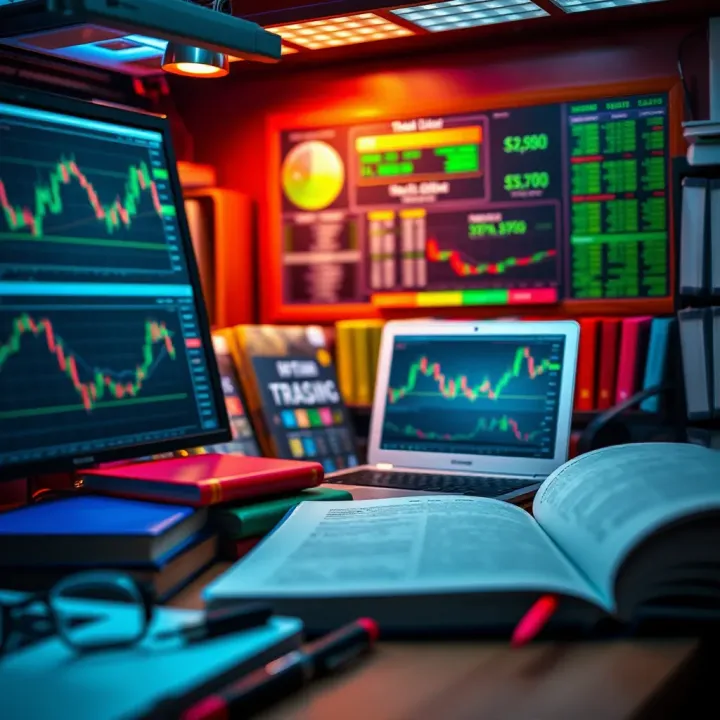
Free Forex Trading Options in South Africa
Explore free forex trading opportunities in South Africa 🌍 including demo accounts, learning tools, and tips to trade without upfront investment safely and smartly.
Edited By
Thomas Shaw
Forex trading, or the buying and selling of currencies, has become a popular investment avenue in South Africa. For traders and investors alike, it offers a distinct set of benefits that make it stand out from traditional markets.
One of the biggest draws is accessibility. Unlike the JSE or property markets, forex operates 24 hours a day, five days a week, allowing South Africans to trade at times that suit their schedules. You don't need a large capital base to start; many brokers in South Africa allow opening accounts with modest amounts, and the presence of demo accounts helps beginners build confidence without risking real money.

Liquidity in forex is vividly high, thanks to the vast volume of daily trades across global currency pairs. This liquidity means you're able to enter and exit positions quickly, often without slippage or big price swings – something that is particularly valuable during unstable economic periods.
The profit potential tied to forex trading is significant but comes hand in hand with risk. Traders in South Africa can speculate not only on rising but also falling currency prices, offering opportunities in volatile markets. The use of leverage can magnify returns, yet it must be managed carefully to avoid substantial losses.
Importantly, sound risk management tools and strategies are central to successful forex trading. South African brokers often provide stop-loss orders and limit orders, enabling you to control exposure and protect your capital. Moreover, the transparent nature of the market and the availability of real-time economic data empower you to make more informed decisions.
Forex trading suits those who appreciate fast-paced, liquid markets and are willing to learn disciplined risk strategies. While it carries risk, its flexibility and accessibility provide a compelling avenue to diversify your investment portfolio.
Here are some key advantages in brief:
Round-the-clock trading: Fits various lifestyles and work commitments.
Low barrier to entry: Smaller trades possible, with demo accounts for practice.
High liquidity: Quick trade execution with minimal price distortions.
Two-way profit opportunity: Benefit from market rises or dips.
Risk management tools: Stop-loss and limit orders protect against big losses.
For South Africans keen to explore this market, the combination of accessibility, liquidity, and risk control makes forex a viable complement to more traditional investment choices.
Forex trading stands out for its wide accessibility, opening the door for almost anyone with a bit of capital and internet access to participate. This accessibility is a key advantage, especially in South Africa where local traders and investors can join the global markets with relatively low initial costs.
One of the main reasons forex trading is accessible is due to its low barriers to entry. Unlike other investment opportunities that might require a substantial starting capital, forex trading brokers often allow accounts to be opened with as little as R1,000 or less. This flexibility means you don’t have to break the bank right away. For instance, a young professional in Johannesburg can begin trading currencies like the US dollar or euro with a modest amount alongside their monthly budget.
Additionally, forex brokers typically offer micro or mini accounts, letting traders deal in smaller lots. This means you can start trading with smaller amounts and gradually increase your exposure as you build confidence and knowledge. It’s a practical way for retail traders to get involved without risking more than they can afford.
Another factor contributing to forex trading’s accessibility is the variety of platforms available. From global favourites like MetaTrader 4 and MetaTrader 5 to locally popular apps provided by South African brokers, traders have choices that suit different experience levels. These platforms often come equipped with charting tools, technical indicators, and automated trading features.
For example, a trader based in Cape Town might use an app on their smartphone during their lunch break, placing trades and monitoring currency pairs like ZAR/USD or GBP/ZAR in real-time. This ease of use means you can integrate trading into your daily routine without needing a specialised setup.
Many platforms also offer demo accounts where you can practice with virtual money. This approach helps beginners familiarise themselves with market dynamics and test strategies without any financial loss.
Accessibility in forex trading is not just about low capital; it’s also about providing tools and environments where traders of all backgrounds can learn, experiment and grow.
In short, flexible capital requirements combined with a wide array of user-friendly trading platforms make forex trading one of the most approachable markets for South Africans eager to diversify their investment portfolios or explore new income streams.
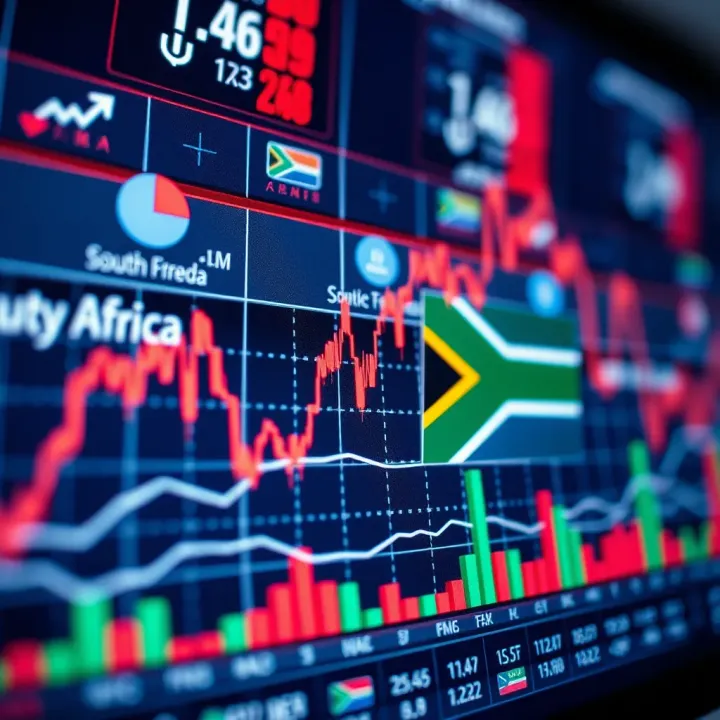
Liquidity is a key advantage of forex trading, making it attractive for traders and businesses alike. High market liquidity means currency pairs can be bought or sold quickly without causing big price swings. This ensures smoother trading experiences and better execution of trades, which is crucial in a market moving as fast as forex.
When liquidity runs high, trade execution becomes swift and reliable. In practical terms, this means your order to buy or sell a currency is filled promptly at a price close to the current market rate. For example, trading major pairs like USD/ZAR or EUR/USD often sees tight spreads—the difference between buying and selling prices—reducing trading costs.
Price stability benefits from liquidity as well. A well-liquid forex market can absorb large orders without causing sudden, erratic price changes. This reduces slippage, where you might end up paying more or receiving less than expected. For instance, a South African trader placing an order during peak market hours is less likely to face wild price shifts compared to trading low-volume pairs or during quiet sessions.
High liquidity helps traders avoid getting stuck with positions they cannot exit easily, improving confidence in the market.
South African traders enjoy liquidity advantages through access to currency pairs involving the rand (ZAR) and global majors. For small investors, this means they can enter and exit trades with minimal delay, even with modest amounts of capital. Businesses dealing in imports or exports benefit too, as high liquidity allows them to hedge currency risk more effectively, locking in exchange rates without excessive cost.
Moreover, forex brokers servicing South African clients often offer platforms connected to deep pools of liquidity, ensuring competitive pricing and trade transparency. This is especially helpful during periods of volatility when global events impact currency values.
For example, a Gauteng-based manufacturing firm importing machinery might use forex trading to manage rand-dollar exposure. The market’s liquidity ensures the company can convert funds close to the desired rate quickly, helping avoid costly swings.
In summary, high market liquidity is a cornerstone of forex trading’s appeal. It supports faster, more stable trading and offers practical benefits tailored to South African market participants. Whether you’re a private trader or a business hedging foreign exchange risk, liquidity helps keep operations smoother and costs manageable.
Forex trading thrives on the movement of currency prices—that's where the opportunity to make money lies. Currencies don't stay still; their values rise and fall due to economic factors, political events, or market sentiment. These fluctuations open windows for traders to buy low and sell high, making a profit if timed right. For South African traders, understanding how these swings work is crucial, especially since the rand (ZAR) can be quite volatile due to local economic conditions and global influences.
Market volatility simply means how much and how fast currency prices change. While it might sound risky, volatility actually offers chances to capitalise on price movements. For instance, during the busy hours when both European and US markets overlap—around 3pm to 5pm South African time—you’re likely to see more intense fluctuations. This can be ideal for short-term trading strategies aiming to profit from sudden swings.
Consider when a South African economic report comes out showing better-than-expected growth—this could boost the rand against the dollar, allowing traders who anticipated the news to benefit from the price jump. However, volatility also means prices can swing both ways, so precision and quick decision-making become essential.
Not all traders want to ride the waves of rapid changes. That’s why strategies vary to match different appetites for risk:
Conservative traders might focus on longer-term positions, holding trades over days or weeks to smooth out short-term bumps. They rely more on fundamental analysis and prefer steady gains rather than quick profits.
Moderate traders could use swing trading techniques, holding positions from a few hours to several days, aiming to catch medium-term price moves.
Aggressive traders often dive into day trading or scalping, taking advantage of small price changes multiple times a day. This approach needs constant monitoring and quick reactions, but the potential returns can be higher.
For example, a trader with low risk tolerance might buy the rand against the euro after seeing stable economic indicators, expecting a slow but steady rise. Meanwhile, a more daring trader might speculate on intraday rand-dollar swings around an unexpected political event, ready to take profits or cut losses fast.
Earning from currency fluctuations requires more than luck; it demands understanding market rhythms and aligning your strategy with your risk comfort.
By tailoring your approach and staying aware of global and local events impacting currencies, you can better position yourself to benefit from the forex market’s ups and downs. The key lies in balancing the excitement of volatility with disciplined risk management, helping you navigate currency changes that drive profit potential.
Leverage serves as a powerful tool in forex trading, allowing traders to open positions larger than their available capital. This can significantly amplify profits, but also increases potential losses. Understanding how leverage works, alongside proper risk management, is essential for anyone serious about trading currencies in South Africa or elsewhere.
In forex, leverage is expressed as a ratio, such as 1:100 or 1:200, meaning you can control R100,000 or R200,000 in the market with just R1,000 or R500 of your own money. This is made possible through "margin," which acts as a deposit or collateral on your account to open trades.
For example, if you wish to buy EUR/USD worth R200,000 with 1:100 leverage, you only need to put up R2,000 as margin. The broker essentially loans you the rest, increasing your exposure while requiring a fraction of the capital upfront. This setup appeals especially to retail traders and small investors in South Africa who might not have large funds but want to participate actively.
While leverage can boost gains, it equally magnifies losses, sometimes beyond the initial investment. That's why controlling risk is key. South African traders must never ignore setting stop-loss orders, which close positions automatically at predefined levels to limit damage.
A practical tip is to use conservative leverage ratios — many brokers offer high leverage, but sticking to a lower ratio, say 1:10 or 1:20, can help keep risks manageable. It’s crucial to understand that leverage does not create money; it simply increases exposure. Poor risk controls can drain your account quickly, especially during volatile periods influenced by local events like Rand fluctuations or unexpected news.
Proper education on margin calls and understanding the broker’s margin requirements can prevent nasty surprises, particularly for those new to forex trading.
In summary, leverage provides traders with access to larger position sizes and the chance to enhance returns without needing excessive capital. However, respect for its risks and disciplined money management are non-negotiable for any trader looking to benefit from forex markets without exposing themselves unnecessarily.
Forex trading operates around the clock, which means you’re not limited by typical market hours like with stocks or commodities. This continuous availability lets traders respond swiftly to global events, currency shifts, and breaking news, without having to wait for a market to open. For South African traders, this means being able to engage in markets anytime, which aligns neatly with various schedules and trading styles.
The forex market spans multiple global financial centres from Sydney to New York, crossing numerous time zones. This setup means there’s almost always a major session open somewhere, keeping the market active and liquid. For example, when the London market winds down, the New York session kicks in, providing fresh opportunities. This cycle benefits traders keen to catch volatility during overlapping sessions, such as when London and New York trade simultaneously, often producing high volumes and tighter spreads.
Since South Africa (SAST, UTC+2) overlaps partially with the European session, traders can benefit from peak trading times during their normal business hours or early mornings. On the flip side, late-night traders can capitalise on the Asian session's quieter moves. This flexibility allows South African traders to pick windows that best suit their strategy and lifestyle.
Forex’s 24-hour nature means you’re not boxed into sitting at a screen 9 to 5. Whether you work a day job, run a small business, or juggle family responsibilities, you can trade when it suits you. Many local traders combine forex with other commitments, hopping in for quick trades just before bed or catching market swings early in the morning.
This around-the-clock access is especially handy when factoring in Eskom’s loadshedding stages. Suppose you know a power outage is looming from 7 pm to 10 pm; you can plan trades earlier or after the blackout. Plus, with mobile trading apps from brokers like IG or FXTM, even being away from a desktop doesn’t stop your trading activity.
Trading at any time empowers South African traders to respond immediately to unexpected world events or economic releases, potentially gaining an edge that’s impossible in slower, restricted markets.
In summary, the 24-hour forex market creates ample chances for South African traders to fit trading into their unique daily rhythms and benefit from continuous global market movements. It offers both strategic flexibility and practical adaptability amidst South Africa’s distinct economic and social landscape.
Explore free forex trading opportunities in South Africa 🌍 including demo accounts, learning tools, and tips to trade without upfront investment safely and smartly.
Discover tailored forex trading strategies for South African traders 🇿🇦. Learn foundational tactics, advanced methods, and smart risk management to boost your trading game. 💹💡
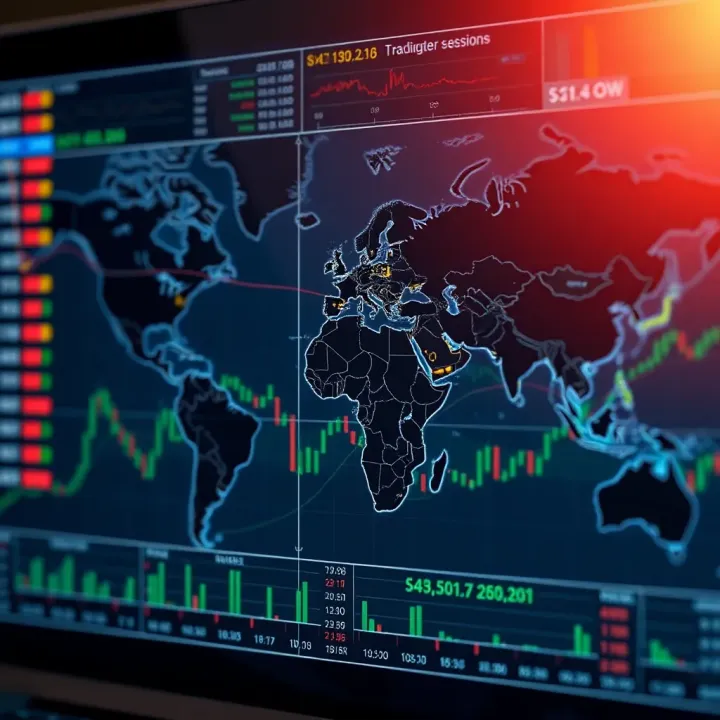
📊 Learn how global forex trading sessions align with South African time, plus get tips and downloadable PDF schedules for smarter trading decisions.

📈 Explore top forex trading seminars in South Africa! Learn benefits, key details, and legal tips to choose the best live forex events near you.
Based on 15 reviews