

Finding Reliable Free Binary Options Signals in South Africa
🔍 Find out how to pick reliable free binary options signals providers in South Africa, assess their accuracy, avoid risks, and trade smarter today!
Edited By
Sophie Blake
Binary options robots have become a hot topic among South African traders looking for quick ways to grow their Rand. These are automated systems promising to trade on your behalf, claiming to guarantee profits with little effort. Unfortunately, many of these so-called robots are linked to scams, leaving traders out of pocket rather than ahead.
At its core, a binary options robot is software designed to execute trades in binary options markets automatically. The concept sounds appealing—set it up, and watch it make money. However, the reality is often quite different. Scammers craft these robots to appear sophisticated, but they're typically programmed to benefit the seller, not the user.
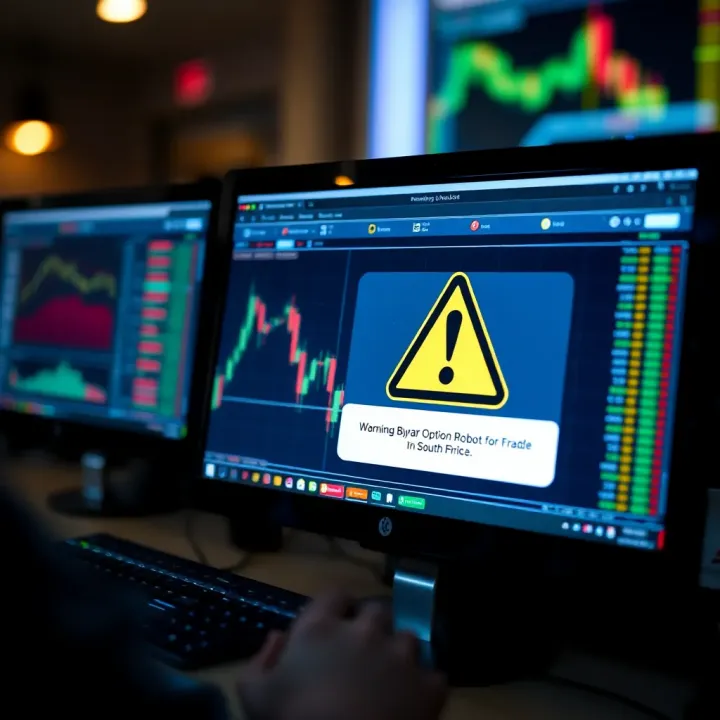
Beware of promises like "risk-free profits" or "guaranteed daily returns." In genuine trading, risk is always present, and no system can predict market movements with absolute certainty.
Some common tactics rogue operators use include:
Advertising unrealistic returns, sometimes over 90% daily profits
Requiring upfront payments or subscription fees without clear refund policies
Offering limited trial periods to hook users before pushing for bigger investments
Using fake testimonials or endorsements to build false trust
Recognising these warning signs early can save you a lot of trouble. For example, if a robot claims to have a secret formula that outsmarts the market or guarantees profits regardless of economic changes, it's a red flag. Also, check whether the platform or service is registered with South African financial regulators like the Financial Sector Conduct Authority (FSCA). Unregistered providers operate without oversight and often skirt legal responsibilities.
In the following sections, we’ll break down how scams operate in more detail and give you practical steps to protect your investments. Trading online can offer real opportunities if you stick to transparent platforms and know what to watch out for. Stay alert, question bold claims, and keep your Rand safe from dubious schemes.
Understanding what binary options robots are is vital for anyone interested in or already trading in the binary options market. These automated tools claim to manage trades on your behalf, ideally cutting down the legwork and emotional strain of trading. In South Africa, where access to global markets is growing, knowing how these robots function—and where they might trip you up—can save you from losing more than just time.
Automated trading uses software programmed to make trading decisions by analysing market data. The goal is to execute trades faster and more efficiently than a human can. While this technology has legitimate uses in big financial firms and some retail trading platforms, its application to binary options raises several concerns. A binary option's outcome—simply a win or lose situation—relies heavily on timing and market unpredictability. This makes it tough for any algorithm to predict consistently.
These robots often promise to analyse charts, spot trends, and place trades without your involvement. For example, a robot might claim to detect subtle patterns in currency pairs or indices and invest accordingly to maximise profits. The appeal lies in the 'set-and-forget' approach. However, many such robots come with little proof of past success, and their strategies are often kept secret or overly simplified to attract novice traders.
Many South African traders are tempted by the idea of a tool that can make reliable profits with minimal effort. Advertisements often stress the easy Rand to be made, sidelining the risks. For someone juggling a 9-to-5 job or with limited trading experience, this sounds like a perfect side hustle. Unfortunately, these promises can be misleading, and most of these robots don't generate the returns they advertise.
The rise of smartphones and widespread internet access in South Africa means these automated tools are just a click away. Platforms hosting binary options robots often have simple interfaces and require meagre initial deposits, making them very accessible. However, this low barrier to entry also attracts unscrupulous operators who target vulnerable or inexperienced traders, using flashy interfaces and persuasive language to pull them in.
Being able to recognise what a binary options robot actually is and how it works can protect you from scams that often exploit the hope for quick and easy money.
In summary, while automated trading has genuine potential, binary options robots marketed to South Africans should be approached with caution. Their supposed ease and accessibility often mask the risks and potential for big losses.
Understanding how binary options robot scams work is essential for traders and investors in South Africa. These schemes often masquerade as easy ways to make quick money, yet behind the scenes, they employ deceptive tactics to trick users into losing their investments. Knowing common fraud strategies and typical local scenarios helps you spot scams early and protect your funds.
Scammers often present fabricated or wildly exaggerated performance results to lure victims. For instance, a binary options robot website might boast returns of 90% or more daily, complete with charts showing consistent wins. These records usually aren't verifiable through independent sources but rely on flashy graphics and testimonials.
In reality, such consistent profits are nearly impossible, especially without risk. South African traders might be tempted by these claims, particularly when combined with promises of automated trading without effort. Yet, the records are often manipulated or entirely made up, serving only to build confidence before pressuring users into depositing money.
Once a trader signs up, scam operators apply high-pressure tactics to get them to increase their deposits quickly. This could include phone calls or messages urging users to invest more to "unlock" additional features or guarantees. The story often revolves around missing out on big profits if they don’t act fast.
For example, a South African trader might start with a modest sum, but an agent pushes them to put in R10,000 or more, claiming it will maximise earnings. If you hesitate, you may face persistent follow-ups or threats that accounts will be closed. This pressure can trap people into losing far more than intended.
Many binary options scams operating in South Africa originate from unlicensed offshore platforms. These companies sidestep local regulation by hosting their servers abroad and advertising directly to South Africans through social media or ads.
Because these providers lack FSCA (Financial Sector Conduct Authority) authorisation, investors have little to no legal recourse when things go wrong. Deposits disappear, withdrawals get blocked, and complaints often fall on deaf ears. The absence of clear regulatory oversight leaves locals especially vulnerable.
Scam operators often embellish their legitimacy with fake endorsements or testimonials, sometimes using photos of well-known personalities without permission. They might claim support from local influencers or fabricate reviews praising the robot’s results.
South African users may come across glowing testimonials online that seem authentic but are planted to mislead. Others might receive messages or emails seemingly from satisfied traders. Relying on these endorsements without verification can lead to premature trust in fraudulent schemes.
Identifying these tactics early on can save South African traders from costly mistakes and frustration. Always question unrealistic claims and seek advice from licensed financial advisors before committing funds.
Before diving into using binary options robots, recognising warning signs can spare you from hefty losses and frustration. Many scams thrive on the trust and hopes of traders seeking easy profits, so spotting red flags early is vital. By knowing what to look for, you can assess whether a robot's claims hold water and protect your Rand from risky or fraudulent schemes.
Promises of guaranteed returns often seem too good to be true — and they usually are. Binary options robots frequently boast of consistent profits without fail, sometimes guaranteeing returns as high as 90% or more with zero effort. However, in reality, the financial markets are unpredictable, and no strategy or robot can promise guaranteed results. If a platform claims such sure-fire earnings, it’s a clear warning that they're selling fantasy, not facts.
In South Africa, where many traders are new to online platforms, these flashy promises can be particularly tempting. One example is when a robot advertises that it will double your R1,000 investment overnight or claims you can start earning thousands without prior experience. This kind of messaging not only misleads but also ignores essential market risks.
No mention of risks involved is another tell-tale sign. Every investment carries some level of risk, yet scammy robots often gloss over this or omit it entirely. They focus on the upside, downplaying or ignoring the possibility of losses. Any credible trading robot or service should clearly communicate both the potential rewards and dangers so users can make informed decisions.
In practice, legitimate platforms will usually include disclaimers about possible losses and the volatile nature of binary options. If you don't see these, or if the risks are buried in fine print, take that as a warning. For example, a robot that claims "100% safe trading" without any risk disclosures is likely hiding the truth.
A real red flag is the absence of credible reviews from verified sources. Scammers often rely on fake testimonials or profiles to create an illusion of trustworthiness. You won't find honest user feedback on well-known South African trading forums, reputable financial websites, or social media groups dedicated to investing discussions. Instead, their so-called reviews might appear only on their own homepage or obscure sites, often sounding suspiciously similar or overly positive.
For example, if you search for a binary options robot on a platform like MyBroadband or Reddit and find no genuine user experiences, it's best to tread carefully. Transparent companies encourage open feedback, including criticism.
No clear regulatory oversight compounds the risk. In South Africa, the Financial Sector Conduct Authority (FSCA) regulates financial services, and any legitimate binary options robot should be linked to a licenced provider. Many scam robots are offered by offshore entities outside FSCA’s control, meaning you have little legal protection if things go wrong.
Always check whether the product or provider is listed on the FSCA register. If not, it’s safer to avoid them. In one instance, traders were lured into using robots from unregistered operators based in overseas jurisdictions, only to find their accounts frozen with no recourse.
Staying alert to unrealistic profits, missing risk warnings, lack of honest reviews, and absence of regulation can significantly reduce your chances of falling for a binary options robot scam.
Understanding the legal standing of binary options trading in South Africa helps traders avoid costly mistakes and potential scams. Binary options are considered high-risk speculative products, and regulatory authorities have taken a firm stance to protect local investors. Being aware of this legal framework offers practical benefits: it highlights which platforms are safe to use, identifies illegal operators, and clarifies investors' rights if something goes wrong.
The FSCA plays a key role in overseeing financial services to safeguard South African consumers. It has issued several warnings against binary options trading, mainly because most such offerings are either unregulated or outright fraudulent. The FSCA alerts the public that many binary options schemes promise unrealistic returns and use aggressive marketing tactics, which often end up defrauding unsuspecting investors. These warnings are practical tools for traders to distinguish genuine investment opportunities from scams.
Moreover, the FSCA regulates licensed financial service providers (FSPs) in the country. Any legitimate broker or trading platform must be registered with the FSCA, ensuring they meet strict compliance standards. Using an FSCA-licensed FSP offers practical security, as these providers are monitored for fair trading practices, proper client fund segregation, and transparent operations. For example, FSPs like IG South Africa and CM Trading hold licences, offering legal protection and dispute resolution mechanisms for clients. Traders should always check if a provider is FSCA-licensed before committing any funds.
Many binary options scams operate from offshore locations, targeting South African traders through online ads or cold calls. These operators often run without a licence or regulatory oversight, making it difficult to verify their legitimacy. The absence of local authorisation means these offshore platforms evade South Africa’s regulatory safeguards — increasing the risk that investors will lose their money with little chance of recovery.
Additionally, recourse for investors dealing with unlicensed offshore platforms is usually limited or non-existent. South African courts and regulatory bodies have minimal jurisdiction over these entities, making legal action costly and complicated. A common scenario involves traders depositing Rand through third-party payment methods, only to find it nearly impossible to withdraw funds later. This lack of protection leaves investors vulnerable to permanent losses, emphasising the importance of sticking to FSCA-approved brokers and avoiding offshore binary options robots.
Always verify a provider’s regulatory status through the FSCA before investing to avoid falling prey to unlicensed operators with no investor safeguards.
Protecting yourself against binary options robot scams is essential for anyone trading or investing online in South Africa. These scams thrive on urgent promises and unverified claims, so knowing how to spot and avoid them can save you a lot of heartache and financial loss. Beyond just avoidance, exploring safer trading alternatives gives you a more sustainable way to grow your wealth.
Research and verify providers. Before handing over any cash or signing up with a binary options robot, take the time to research the platform thoroughly. Check if the provider is registered with the Financial Sector Conduct Authority (FSCA), South Africa’s financial regulator. Also, look out for credible user reviews and independent expert opinions. Sadly, many scam operators fabricate testimonials or performance results to lure investors in. So, rely on trusted finance forums or established South African investment communities to verify claims.
For example, if a robot claims to guarantee 90% returns monthly with zero risk, this is a big red flag. No legitimate investment or trading system can promise guaranteed returns without risk. If you stumble upon such offers, digging deeper into the provider’s background and regulatory standing is a must.
Avoid pressure tactics and upfront payments. A common ploy scammers use involves urging you to invest quickly or pay fees upfront to unlock “special offers” or “advanced tools”. Genuine brokers or investment platforms don’t rush clients or demand sudden deposits without clear terms. If you find yourself being pressured through calls, messages, or chatbots to commit funds immediately, step back.
Keep in mind, reputable brokers offer demo accounts so you can try their platforms risk-free before investing real money. Never pay large sums in advance for software, training, or signals without first testing and verifying legitimacy.
Using regulated brokers. Choosing a broker licensed by the FSCA offers better protection. These brokers must adhere to strict guidelines on transparency, risk disclosure, and client fund handling. For instance, South African brokers like EasyEquities and IG Markets provide platforms for various asset classes with clear trading rules and client safeguards.
By sticking to regulated brokers, you reduce the chances of falling into traps set by offshore operators with shaky reputations. You also gain access to resources such as client support, dispute resolution, and investor education programmes.
Exploring shares, ETFs, and local asset classes. Instead of relying on risky binary options robots, consider investing in shares or exchange-traded funds (ETFs) listed on the Johannesburg Stock Exchange (JSE). These assets are more transparent and backed by tangible companies or sectors.
For example, buying shares in companies like Sasol or Naspers, or investing in ETFs that track the Top 40 index, exposes you to the local economy's performance. While returns are not guaranteed, these investments behave according to market forces and have regulated oversight, unlike opaque binary options schemes.
Taking a cautious and informed approach helps you build wealth with a clear understanding of risks — something binary options robots rarely offer.
Shame, too many traders fall for quick-rich promises. But with solid research and choosing safer investment vehicles, you can protect your hard-earned Rand and avoid unnecessary losses.
🔍 Find out how to pick reliable free binary options signals providers in South Africa, assess their accuracy, avoid risks, and trade smarter today!

⚖️ Learn how South African traders can spot real vs fake binary options, understand regulations, avoid scams, and protect their investments confidently.
🚨 Stay alert against forex scams in South Africa! Learn to spot fraud, understand regulations, and protect your investments effectively in the forex market.
Discover how free binary signals work in binary options trading 📈. Learn to evaluate providers, use signals wisely, and manage risks — tailored for South African traders!
Based on 11 reviews