
Finding Reliable Free Binary Options Signals in South Africa
🔍 Find out how to pick reliable free binary options signals providers in South Africa, assess their accuracy, avoid risks, and trade smarter today!
Edited By
Sophie Morgan
Automated binary options trading uses software to execute trades based on predefined rules without constant human input. Unlike traditional trading, where you monitor charts and click to buy or sell, an automated system analyses market conditions and places trades on your behalf. This hands-off approach aims to capitalise on fast-moving price changes in assets like currencies, indices, or commodities.
This automation relies on algorithms that interpret market data, applying technical indicators such as moving averages or RSI (Relative Strength Index) to trigger buy or sell signals. For instance, if a system spots an upward trend in the USD/ZAR currency pair over a set period, it might initiate a 'call' option expecting the price to rise beyond a chosen strike price.
South African traders often find automated binary options appealing due to the limited time they can dedicate to monitoring markets continuously. Plus, the markets operate nearly round the clock, making manual trading difficult during working hours. Automation offers a way to participate consistently, especially amid challenges like Eskom loadshedding disrupting daily routines.
Automated systems can speed up decisions, reacting instantly to market movements that a human might miss. Still, it’s essential to understand that no system guarantees profits. Markets can be volatile, and sudden swings may lead to losses.
Key elements of automated binary options trading include:
Trading Platform: The software interface where rules are set and trades executed.
Algorithm: The logic or method guiding trade decisions.
Market Data Feed: Real-time price information critical for timely execution.
Risk Parameters: Limits on trade size, number, and expiry to manage exposure.
With these components, traders can customise strategies based on factors like asset volatility or preferred expiry times, reflecting their risk appetite.
It’s vital for South African traders to choose reputable platforms regulated by recognised authorities and to stay updated on local regulations around binary options trading. Equally important is setting sensible risk controls and backing up automated trades with an understanding of market fundamentals. Doing so can help manage risks while exploring the benefits of technology in the fast-paced world of binary options.
Automated binary options trading combines the straightforward nature of binary options with computer programmes that execute trades on your behalf. This approach aims to take the manual guesswork—and often the emotional bias—out of trading by relying on preset rules or algorithms. It's relevant for anyone looking to make quicker and more consistent trading decisions without watching the market every second.
Binary options are financial instruments where you predict whether an asset's price will be above or below a certain level at a specific time. Think of it like betting on a football match's final score – either it happens or it doesn’t, leading to a fixed payout or a total loss. For example, you might bet that the gold price will be above R1,000 per gram in the next hour. If correct, you receive a profit percentage; if wrong, you lose your stake. This simplicity makes binary options attractive, but also risky since the outcome is all or nothing.
Unlike traditional shares or forex trading, you don’t buy the asset itself but rather predict its price movement within a fixed expiry time. These short expiry periods can be as brief as 30 seconds or stretch to a few hours, which means decisions need to be fast and precise—something automation can facilitate.
Automation uses computer programmes or bots to analyse market data and place trades using predefined strategies. These bots scan numerous assets simultaneously, spotting trends, price movements, or specific signals much faster than humans could. Consider a trading bot programmed to monitor the price movement of the JSE Top 40 Index and execute trades when certain technical indicators reach a threshold.
For instance, the bot can swiftly identify when an asset's moving average crosses a specific level, signalling a potential price rise or fall, and enter a trade automatically. This process eliminates the emotional stress traders experience during rapid market swings. Plus, bots don’t tire or get distracted — they keep running even during late-night sessions.
The benefits include:
Faster trade execution: Bots act instantly once conditions meet the programmed criteria.
Consistent strategy deployment: Removes emotional decisions that often lead to inconsistent trades.
Multi-asset monitoring: Automated systems can track several markets at once, increasing opportunities.
Automation doesn’t guarantee profit, but it helps maintain discipline and speed in executing binary options trades, crucial in fast-moving markets.
That said, success still depends on the quality of the strategy programmed into the system. South African traders should start with demo accounts to understand how automation reacts in real-time before committing real Rand.
Automated trading systems in binary options rely heavily on technology that enables swift, precise, and consistent execution of trades. The backbone of these systems comprises trading bots, software platforms, algorithms, and signal generators. These components work together to reduce the need for manual intervention, which can delay decisions or introduce errors.
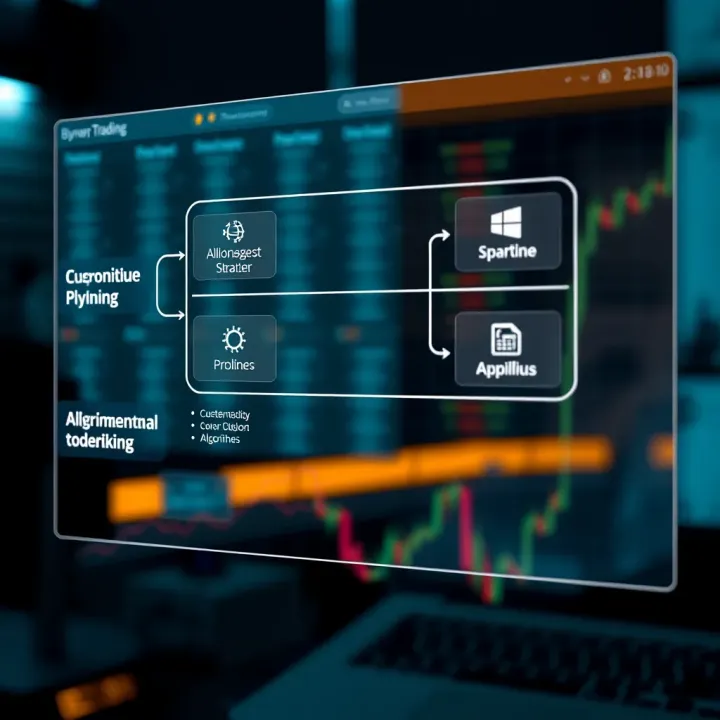
Trading bots vary in complexity and approach. Some are basic programs that execute trades based on preset rules, such as executing a purchase when the price hits a specific level. More advanced bots incorporate machine learning to adapt strategies based on historical market data. For example, a bot might adjust its parameters after recognising a trend in currency pair movements.
Software platforms supporting automated trading often include user-friendly interfaces where traders can customise bot behaviour without coding knowledge. South African traders might find platforms like MetaTrader particularly useful, as they are widely supported and offer a range of plugins and community-created tools. Moreover, some platforms integrate with local brokers, offering smoother transaction processes.
There are also standalone applications designed exclusively for binary options automation, which focus on speed and simplicity. Yet, it’s crucial to verify the reliability and regulatory compliance of such software to avoid scams, a known issue in this field.
At the heart of automated trading are algorithms — sets of instructions guiding the bot’s decisions. These algorithms analyse market data, such as price changes, volume, and volatility, to generate signals that prompt buy or sell orders.
For instance, a moving average crossover algorithm signals a trade when a short-term average crosses a long-term average, implying a shift in trend. Algorithms can also use technical indicators like the Relative Strength Index (RSI) or Bollinger Bands, interpreting these to forecast price moves.
Signal generation can be deterministic, relying on fixed criteria, or probabilistic, factoring in elements like news events or sentiment analysis. Some advanced systems incorporate artificial intelligence to refine predictions by learning from new market information continuously.
Reliable algorithms can improve trade timing significantly, but no system is foolproof; market unpredictability always carries risks.
For traders in South Africa, understanding these technical aspects offers an edge, especially given local market features like fluctuating rand performance and impacts from geopolitical events. Optimising algorithm settings to local trading hours, considering liquidity and volatility typical of South African assets, can make automated trading more effective.
In summary, technology behind automated binary options trading blends various bots and software with carefully crafted algorithms and signal generators. Knowing their functions and limitations helps traders harness automated systems better, improving their chances of success.
Automated trading has carved out a notable place in the world of binary options, especially for traders looking to sharpen their approach without getting overwhelmed by the market’s pace. This technology helps traders save time, reduce errors, and potentially improve consistency by removing much of the manual heavy lifting. Given the often fast-moving and time-sensitive nature of binary options, these advantages are not just perks but make a substantial difference in practical trading outcomes.
Automated systems can place trades at lightning speed, far quicker than any human could manage. For instance, when a trading signal matches the predefined criteria, the system executes a binary option immediately. This speed is particularly useful during volatile market periods when seconds can mean the difference between profit and loss. One practical example is a bot configured to trade currency pairs around the time of South African Reserve Bank (SARB) announcements; it can respond instantly to market shifts triggered by policy changes, while manual traders might still be digesting the news. This efficiency also means traders can run multiple strategies simultaneously without spreading themselves too thin.
Human traders often falter when emotions come into play — chasing losses or hesitating due to fear. Automated trading strips away these feelings by following a strict set of rules. The system doesn’t get anxious during a losing streak or overly confident after a win. Instead, it sticks to the plan, which is crucial because binary options demand consistency and discipline. For example, a trader might be tempted to double up bets after losing trades, but an automated system won’t deviate from its risk management parameters. This keeps the decision-making logical and protects against impulsive errors.
Emotions can be a trader’s worst enemy, so removing them through automation helps maintain steady and objective decision-making.
Automated binary options platforms often lower the barriers to entry for local traders. They’re available online, often don’t require advanced financial expertise, and can operate using modest investments. Given that South African traders face additional challenges such as exchange controls and stringent regulatory conditions, automation offers a practical way to participate without needing constant monitoring or advanced technical setups. Moreover, some platforms integrate local payment options and R-based accounts to ease deposits and withdrawals, making the experience more accessible and suited to local needs.
Together, these factors reveal why automated trading appeals to South African traders looking for efficient, emotion-free, and accessible ways to engage with the fast-paced binary options market.
Automated binary options trading promises speed and convenience, but it’s not without its pitfalls. Knowing the risks and limitations helps traders avoid costly mistakes and manage expectations. This section looks at the biggest concerns, from market swings to shady platforms and the local legal scene.
Market volatility can quickly shift trading outcomes, even if your algorithm is sound. Binary options react heavily to sudden price moves, which often happen around economic announcements or political events. Automated systems may fail to adjust quickly enough or may misinterpret signals, leading to losses. For example, during unexpected Eskom loadshedding announcements, market jitteriness may cause binary options prices to fluctuate wildly, triggering erroneous trades.
System errors are another risk. Software bugs, server downtime, or lag in data feeds can cause the bot to open or close trades at wrong moments. Say your trading bot glitches during a peak period and opens multiple losing positions in quick succession—you could see your account depleted before you realise what happened. Testing software thoroughly and running it in demo mode first can help catch these issues early.
The binary options space has attracted deceitful operators who prey on unsuspecting traders, promising guaranteed returns or insider secrets. Unregulated platforms may vanish with your funds, manipulate prices, or disable withdrawals. South African traders should be cautious of platforms claiming extraordinary profits without proper transparency or customer support.
A common scam is fake signal providers or bots sold with grand claims but no evidence of past performance. Always check for reviews, demand verifiable track records, and start with small amounts. Remember, if it sounds too good to be true, it probably is.
Unlike some countries where binary options are tightly regulated or even banned, South Africa has a developing framework overseen by the Financial Sector Conduct Authority (FSCA). The FSCA warns that many binary options providers operate illegally or without proper licences.
Traders should verify whether the broker or platform is FSCA-registered and compliant with South African laws, including the Financial Intelligence Centre Act (FICA). Local rules require customer identification and anti-money laundering measures, which reputable firms follow.
Trading on platforms outside FSCA regulation carries significant risk. Stick to authorised brokers and avoid offshore sites without credible licensing.
Getting acquainted with these regulatory boundaries helps safeguard your investments and ensures you’re dealing with legitimate operators. Overall, while automation offers benefits, it’s vital to stay alert to these risks and limit exposure by choosing trustworthy systems and practising sound risk management.
Choosing the right automated binary options platform can dramatically influence your trading success. In South Africa’s fast-moving market, a reliable platform helps you navigate volatility while minimising risks. This section outlines practical criteria for selecting software, managing risk, and tailored advice for local traders.
Look for platforms with a proven track record and transparent history. Software backed by reputable developers, with clear terms and conditions, tends to perform better and avoids dubious behaviour. For instance, platforms like Nadex or IQ Option are known internationally for reliability.
Ensure the platform offers user-friendly interfaces and real-time data feeds. The trading bot should respond swiftly to market changes — delays can cost you dearly. Moreover, a demo account is invaluable to test how the system performs without risking actual money.
Security is non-negotiable. Check if the platform uses strong encryption and complies with data protection laws (think POPIA compliance). Payment options should be secure and include popular South African methods like EFT or SnapScan.
Even the best automated system can’t guarantee profits — protecting your capital is paramount. Set strict limits on investment per trade; it’s wise not to exceed 1-2% of your trading capital on any single option.
Use stop-loss or binary options hedging where available to curb potential losses. Some platforms allow you to close a position early if the trade moves against you.
Regularly monitor the bot’s performance and adjust settings based on current market conditions. Automated doesn’t mean hands-off — you must intervene if the algorithm starts to lose consistently, especially when economic events impact volatility.
Given Eskom’s unpredictable loadshedding, ensure you have uninterrupted internet access and a backup power solution such as an inverter or UPS. Missing crucial trade signals due to power cuts can be costly.
Stay updated on South Africa’s regulatory environment concerning derivative trading. The FSCA monitors some aspects, but many binary options platforms operate offshore, so exercise caution. Confirm whether your chosen platform complies with local laws or has a physical presence here.
Lastly, avoid chasing quick wins by investing more than you can afford to lose. Stick to disciplined trading and treat automation as a tool, not a shortcut.
Choosing the right trading platform is only half the battle — wise risk management and staying grounded in South African conditions will keep you trading smarter, not harder.
Taking these points seriously will help South African traders make informed decisions and gain more control in a market ripe with opportunity but also potential pitfalls.
🔍 Find out how to pick reliable free binary options signals providers in South Africa, assess their accuracy, avoid risks, and trade smarter today!

⚖️ Learn how South African traders can spot real vs fake binary options, understand regulations, avoid scams, and protect their investments confidently.
📈 Find the ideal trading app for South African investors. Compare fees, security, asset range & support to fit your investment style and goals.
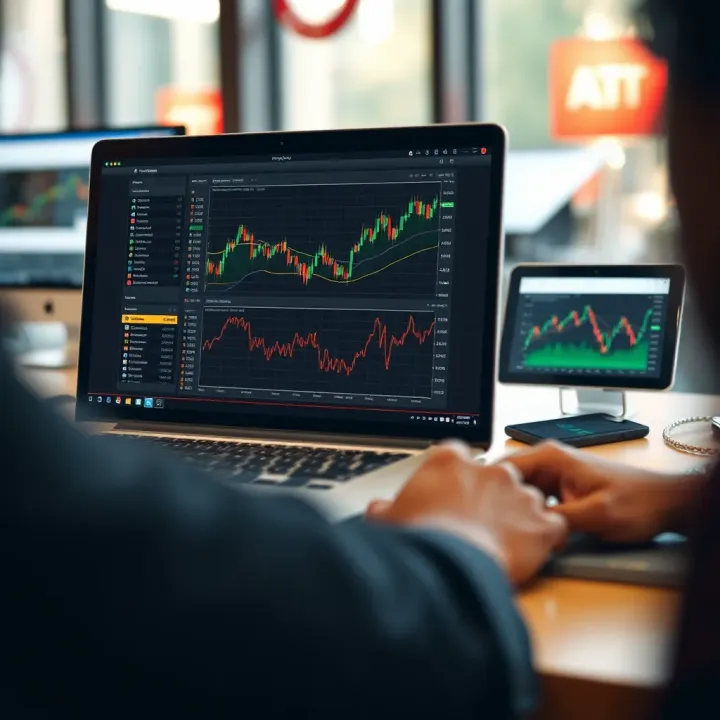
Find the best trading app in South Africa! 🔍 Explore types, key features, regulations, costs & top app comparisons to trade securely and smartly. 📈🇿🇦
Based on 5 reviews