

Fraud Risk Management for South African Businesses
🔍 Learn practical fraud risk management strategies designed for South African businesses to protect assets, ensure compliance, and build trust.
Edited By
Isabella Hughes
The Advanced Diploma in Risk Management offers a focused pathway for professionals wanting to sharpen skills directly relevant to South African business practices. Whether you’re a financial advisor navigating volatile markets or an analyst assessing corporate risks, this qualification builds practical expertise around identifying, assessing, and controlling risks.
Structured to address local industry challenges, the diploma blends theoretical knowledge with real-world scenarios. For instance, understanding how Eskom’s loadshedding schedules impact supply chain risks or managing currency fluctuations linked to the rand-dollar exchange rate are key elements covered.
Entry requirements are generally flexible but call for a solid foundation in risk principles or related fields like finance, accounting, or economics. This ensures participants can engage directly with complex risk cases without starting from scratch.
Graduates walk away with skills tailored for sectors central to South Africa’s economy, such as banking, mining, insurance, and manufacturing. They learn to use risk assessment tools, develop mitigation strategies, and communicate findings to stakeholders effectively.
Being equipped with such a qualification can be a significant advantage amidst the country’s operational uncertainties, including regulatory changes and infrastructural disruptions.
Career outcomes typically include roles like risk analyst, compliance officer, and risk management consultant. These positions require a strong understanding of both the technical risk landscape and regulatory frameworks like the Financial Sector Conduct Authority (FSCA) guidelines and POPIA (Protection of Personal Information Act).
Professionals investing in this qualification gain practical, actionable know-how rather than purely academic theory, adapting swiftly to the evolving risk environment across South Africa and beyond.
Key takeaways:
The diploma targets professionals keen on hands-on risk management skills relevant to SA’s market.
It combines knowledge of global risk standards with local context, such as loadshedding and currency risks.
Career paths post-diploma reflect growing demand in banking, insurance, and corporate sectors.
For anyone wanting to advance in risk management without losing sight of local realities, this qualification hits the mark perfectly.
Gaining a solid understanding of the Advanced Diploma in Risk Management is vital for professionals aiming to deepen their skills in handling risks within South African businesses. This qualification does not only build theoretical knowledge but also focuses on practical application, making it a valuable asset in today’s unpredictable economic climate. Whether you're involved in finance, project management, or compliance, this diploma equips you to make informed, confident decisions that balance opportunity and risk.
At its core, the diploma teaches essential risk management principles such as identifying, analysing, and responding to risks that businesses face daily. This includes everything from financial risks, like currency fluctuations and credit exposure, to operational risks such as supply chain disruptions or regulatory changes. A practical example is a retail business in Gauteng preparing for loadshedding by developing contingency plans to avoid large revenue losses during power outages.
Advanced diplomas serve as a bridge between foundational knowledge and specialised expertise. They often offer hands-on learning tailored for those who already have some experience in the field or related qualifications. This makes the diploma particularly suitable for professionals seeking to upskill and achieve greater professional recognition without committing to a full degree.
The target audience includes mid-level managers, risk analysts, compliance officers, and financial advisors who need to understand risk in a systematic, structured way. Entry points often require prior exposure to risk or related fields such as finance, business management, or insurance. For example, a compliance officer at a Johannesburg-based bank looking to move into risk management would find this diploma an appropriate next step.
South Africa’s diverse economy means risk management skills are in demand across many sectors—from mining operations in the Northern Cape to agribusiness in the Free State. The diploma’s relevance extends beyond just financial firms to include manufacturing, healthcare, and public sectors, where risk understanding can improve decision-making and protect assets. For instance, a health services manager in KZN might apply risk control techniques learned on this course to better manage patient safety and regulatory compliance.
Understanding how the Advanced Diploma applies practically within your sector can make all the difference in career progression and business resilience.
In summary, this qualification is designed to give South African professionals a hands-on toolkit to manage and mitigate risk effectively, wherever they come from or whichever sector they operate in.
The Advanced Diploma in Risk Management sharpens a mix of technical expertise, practical experience, and communication abilities. These core competencies prepare professionals to navigate the complexity of risk in South African businesses, where unpredictable factors like loadshedding or fluctuating exchange rates demand skilled management. The skills developed here aren’t just theoretical; they equip you with tools you can apply immediately in sectors ranging from finance to manufacturing.

Risk identification techniques form the first pillar of risk management. This involves pinpointing potential threats before they escalate into full-blown problems. Whether it’s a supply chain disruption caused by transport strikes or cyber threats in a fintech company, recognising risks early allows a risk manager to prepare or even prevent damage. Practical methods include brainstorming sessions with teams, root cause analyses, and environmental scanning that stay ahead of emerging issues.
When it comes to quantitative and qualitative analysis methods, both approaches complement each other. Quantitative analysis uses numbers—probabilities, loss expectations or statistical models—to provide measurable insights. For instance, calculating the financial impact of a 48-hour power outage helps decision-makers allocate budgets wisely. On the other hand, qualitative analysis covers aspects that are harder to measure but equally crucial, such as reputational damage or stakeholder sentiment. Together, these methods paint a clearer picture, essential for making well-rounded decisions in volatile markets.
Developing risk management frameworks means creating structured approaches companies can follow to identify, assess, and address risks consistently. In South Africa, where firms face regulatory changes and economic uncertainty, these frameworks act like roadmaps. They guide everything from risk appetite statements to contingency plans. Building such frameworks involves drawing from industry best practices and tailoring them to local contexts, ensuring they can be realistically applied within a company’s culture.
Once the framework is in place, implementing controls within organisations ensures risks are properly managed day to day. Controls might include approval processes, segregation of duties, or automated checks within financial systems. For example, a retailer might introduce dual authorisation for purchases above a certain threshold to curb fraud. Effective control implementation requires not only technical setup but training staff to understand their roles and monitoring compliance.
Stakeholder engagement strategies are key to winning buy-in for risk initiatives. Risk managers must negotiate with various parties—from senior execs to frontline workers and external partners—each with different concerns and priorities. Effective engagement involves clear communication, empathy, and sometimes compromise. For instance, when introducing new safety measures, explaining benefits rather than just rules encourages cooperation and reduces pushback.
Lastly, reporting and presenting risk findings is about translating complex assessments into understandable insights that spur action. Good reports focus on clear visuals, concise language, and relevant recommendations tailored to the audience. A board of directors may want a high-level summary highlighting critical risks and mitigation plans, while operational teams need detailed guidance on procedures. Mastering this skill ensures that risk data drives informed decisions rather than gathering dust in filing cabinets.
In South Africa’s challenging environment, combining technical know-how with practical application and strong communication makes risk professionals invaluable. The Advanced Diploma equips you with this blend, turning theory into results you can trust.
Understanding the structure and content of the Advanced Diploma in Risk Management is key for anyone considering this qualification. The programme is designed to balance theory with practical application, which means you not only learn the principles but also how to apply them in real-world South African business contexts. This focus makes it particularly valuable for professionals like traders, financial advisors, and analysts who face complex risk scenarios daily.
Principles of risk management form the backbone of the diploma. This module equips you with foundational knowledge about identifying, assessing, and managing various types of risks. For instance, you will explore risk categories such as market, credit, operational, and reputational risks. Understanding these principles helps professionals establish effective frameworks tailored to their organisations.
Legal and regulatory considerations in South Africa delve into the compliance environment that governs risk management practices. This includes studying South African laws like the Financial Advisory and Intermediary Services Act (FAIS), the Protection of Personal Information Act (POPIA), and how these affect risk reporting and controls. Knowing the regulatory landscape is crucial for avoiding penalties and ensuring corporate governance is upheld.
When it comes to financial risk and insurance, the module addresses how to manage exposure to financial losses through strategies such as hedging, diversification, and insurance products. Practical insights will involve interpreting financial statements and insurance policies to identify vulnerabilities and mitigate impacts. For example, a risk analyst might assess how fluctuations in exchange rates could affect a portfolio or how insurance can safeguard assets against unexpected events.
Project and operational risk modules focus on risks inherent to business processes and project execution. You will learn to develop risk registers, conduct failure mode analyses, and implement controls that improve project outcomes. This knowledge is vital in South Africa’s business environment where delays and cost overruns can jeopardise investments.
The diploma employs written assignments and exams to test your grasp of risk management theories and concepts. These assessments often require applying knowledge to hypothetical or simplified scenarios, which builds your analytical thinking. For example, you might be tasked with preparing a risk assessment report for a mock company.
Case studies and real-world applications help bridge the gap between theory and practice. By analysing actual or simulated business situations, you develop solutions grounded in South African market conditions. This method is especially helpful for understanding the impact of local economic factors and regulatory requirements on risk management.
Finally, workplace-based assessments allow you to demonstrate your skills within your own professional environment. This might involve conducting risk reviews, presenting findings to management, or designing risk mitigation plans. Such assessments ensure that learning translates directly into workplace improvements, which is often where the qualification adds the most value.
The diploma’s mix of practical modules and diverse assessment methods ensures you graduate equipped to handle South Africa’s unique risk challenges confidently and competently.
Entry requirements and study options are key considerations for anyone looking to pursue the Advanced Diploma in Risk Management. They set the groundwork to ensure you have the right background for the course and help you choose a study path that fits your work and life demands. Knowing these details upfront prevents unnecessary hurdles and helps you plan effectively for your professional growth.
Most providers expect candidates to hold a relevant National Diploma or Bachelor’s degree, often in fields like finance, economics, business management, or commerce. This baseline ensures you have a good grasp of foundational concepts, which is important because the advanced diploma builds on prior knowledge. For instance, someone with a Bachelor of Commerce who’s comfortable with basic finance and statistics will generally find the technical aspects of risk easier to master.
Experience in risk-related roles can sometimes substitute formal qualifications, especially if you have years of hands-on work in areas like compliance, insurance, or asset management. Employers often look favourably on candidates who’ve dealt with real-world risk scenarios, as this practical insight enriches your learning and application of advanced theories. For example, a financial analyst with three to five years’ experience in market risk could be eligible even without a formal diploma, provided you can demonstrate your capability.
Full-time study suits those who can take time off work or are starting afresh in their careers. It allows faster completion but isn’t realistic for many working professionals. Part-time options are more popular locally, letting you gain the qualification without leaving your job. The trade-off is it takes longer, but you get to apply what you learn immediately, which benefits understanding and retention.
Distance learning offers flexibility, especially given South Africa’s wide geography and varying access to urban centres. Many institutions now provide online lectures, digital resources, and virtual support, reducing the need for physical attendance. This is a boon for those in smaller towns or those balancing work and family commitments. For example, a compliance officer based in Polokwane can study alongside a daily job without commuting to Johannesburg.
Several South African universities and private colleges offer the Advanced Diploma in Risk Management. Institutions such as the University of Pretoria, the University of South Africa (Unisa), and the Southern Business School have tailored programmes reflecting local legislation, regulations, and market conditions. Choosing a well-established provider ensures recognition by employers and professional bodies, supporting your career progression effectively.
Getting the entry requirements right and choosing a study mode that suits your lifestyle are the first big steps towards mastering risk management in the South African context.
Pursuing the Advanced Diploma in Risk Management unlocks various career paths, especially within South Africa’s diverse economic sectors. This qualification equips professionals with practical skills to identify, assess, and mitigate risks, which employers value highly in today's uncertain business environment.
Risk analysts and managers play a critical role in forecasting potential setbacks that businesses face. They gather and interpret data to predict risks related to finance, operations, and compliance. For example, a risk manager at a Johannesburg-based financial firm might analyse market trends to advise on investment decisions that protect client funds against currency fluctuations and credit risks. These professionals help organisations avoid costly surprises and maintain steady growth.
Compliance officers ensure that companies stick to laws and regulations, which is especially vital in South Africa’s complex legal and regulatory framework. Given the strict requirements from bodies such as the Financial Sector Conduct Authority (FSCA) and compliance demands tied to the Protection of Personal Information Act (POPIA), these officers monitor policies and practices. At a mining company in Gauteng, for instance, a compliance officer might oversee environmental regulation adherence to reduce legal liabilities and maintain the company's licence to operate.
Insurance and financial risk consultants advise clients on managing exposure through insurance and other financial instruments. They assess the likelihood and impact of events like property damage, business interruption, or liability claims. A consultant working with a retail chain might develop tailored insurance programmes that balance premiums with coverage, factoring in local risks like theft or load shedding-induced disruptions.
Industry recognition and professional memberships add tangible value to one's career. Graduates often qualify for memberships in respected bodies such as the Risk Management South Africa (RMSA) or the Institute of Risk Management South Africa (IRMSA). These affiliations signal credibility and open doors to networking, continuous learning, and mentorship opportunities. Employers frequently look for candidates with recognised qualifications backed by professional affiliations, making this diploma a significant step up.
Linking qualification to B-BBEE and corporate compliance is another advantage. Businesses aiming to improve their Broad-Based Black Economic Empowerment (B-BBEE) score often prefer employees with recognised qualifications to meet skills development targets. For instance, a company seeking BEE points through employee development plans will benefit from having risk management specialists with formal diplomas. This connection supports not only individual career advancement but also corporate compliance with South Africa’s socio-economic policies.
Skilled risk management professionals are vital in South Africa’s evolving business landscape, providing both individual career advancement and strengthening organisational resilience.
The Advanced Diploma in Risk Management therefore is more than just a qualification; it’s a practical tool for steady career progression and greater employability across sectors.
🔍 Learn practical fraud risk management strategies designed for South African businesses to protect assets, ensure compliance, and build trust.

Explore where to study risk management in South Africa 📚. Discover courses, admission tips, and career paths to help you choose the right program and succeed.

Protect South African businesses 🛡️ with proven fraud and risk management strategies. Learn detection, prevention, employee training, and tech tools today!
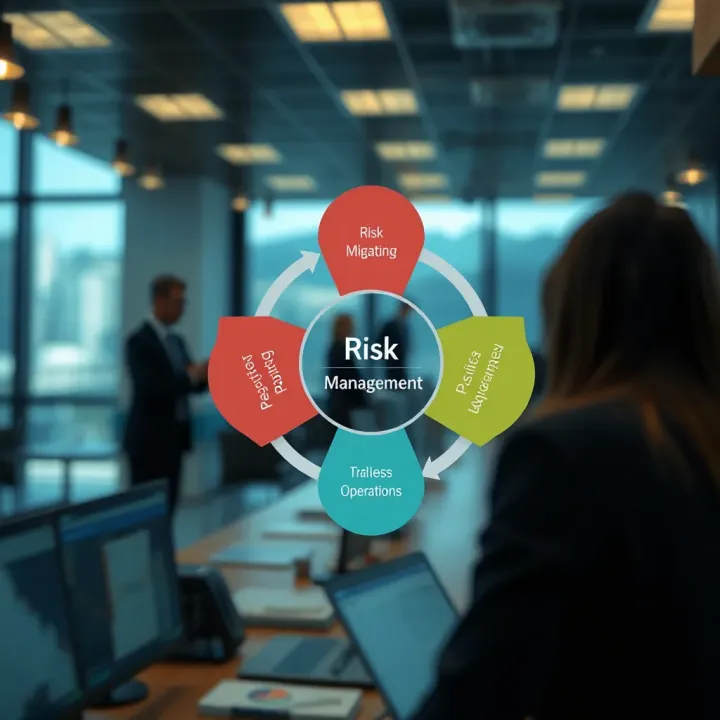
Explore how risk management identifies, assesses, and reduces business threats, guarding assets and boosting resilience for steady operations 📊🔒
Based on 10 reviews